Why Is My Heat Pump Running Constantly? A Troubleshooting Guide

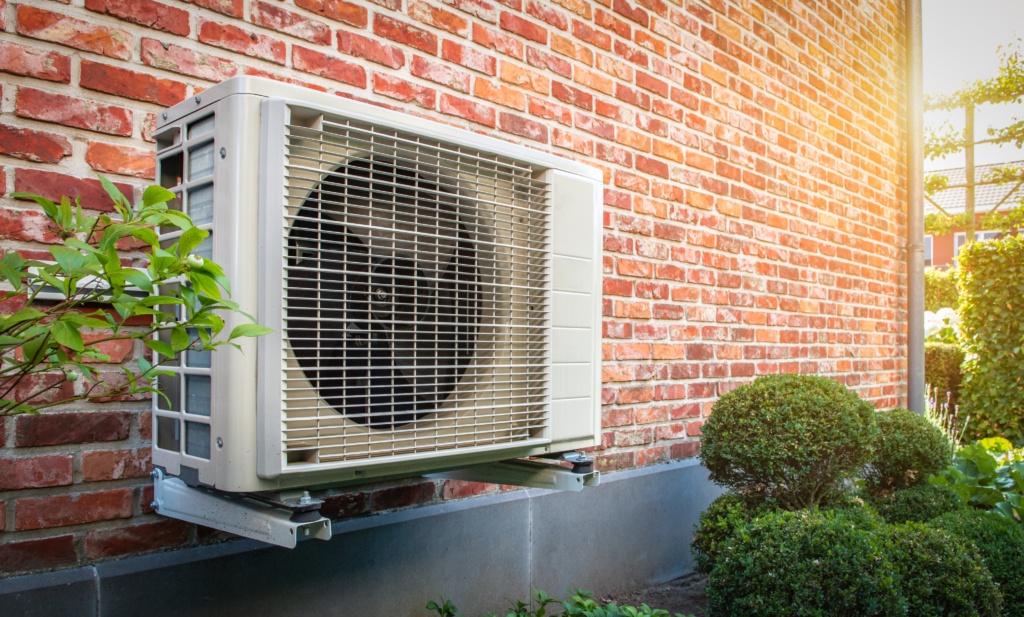
Heat pump mounted on a brick wall, surrounded by greenery, showcasing energy-efficient heating and cooling solutions for homes in Charlotte, NC.

Heat pumps are great options for Charlotte, NC, homeowners. They offer energy-efficient heating or cooling for your home because they use the air surrounding your home to control the air inside your home.

Heat pumps are reliable and long-lasting, but they can raise questions for new users. One of the most common questions homeowners ask is, “why is my heat pump running constantly?” The expert professionals at Acosta are always ready to answer your questions.

If you are ready to speak with our skilled technicians about heat pumps, call [phone] or contact us onlinetoday!

Signs That Your Heat Pump Is Working Correctly

Sometimes your heat pump needs to run a lot to work. Here are signs that your heat pump is working correctly, even if it’s constantly running.

  • Fan is set to “On,” not “Auto”: When your heat pump is set to “Auto,” it turns itself off after it reaches the desired temperature. If your heat pump is set to “On,” it will run even after reaching the correct temperature.
  • Not reaching set temperature: If it is an especially cold or hot day, your heat pump will need to work harder to heat or cool your home. Because it doesn’t create warm or cold air but circulates the existing air through your home, it will continually run if it can’t reach the correct temperature.
  • Switching modes to retain temperature: Some heat pumps have an auto-reverse feature. This means it switches into the opposite mode to keep the temperature where it is set. The heat pump could sometimes switch between heating and cooling modes, resulting in it running constantly.

Troubleshooting Your Heat Pump

Here are some ways homeowners can troubleshoot their heat pump problems:

  • Check the air filter: Heat pumps use air filters just like traditional heating and cooling systems. If your heat pump air filter is clogged or dirty, the heat pump will continue running to try and push clean air through. Changing the air filter can immediately correct the problem.
  • Check the thermostat: If the thermostat is set too high (for heating) or too low (for cooling), the heat pump may need to work continuously. Try resetting the thermostat to a different temperature to see if it causes the heat pump to stop running.
  • Check doors and windows: If you have an open door or window, your heat pump could be fighting against drafts. Make sure you close doors and windows and see if it helps stop the constant running.
  • Check the outside unit: Debris or snow buildup around the outside unit of your heat pump could block the airflow. The heat pump will need to work harder to transfer air in and out of your home, causing it to run all the time.

[cta_special_button url=”https://www.acostainc.com/contact/” text=”Schedule Service Now”]

Signs It’s Time To Call for Professional Help

If your heat pump is constantly running, sometimes it’s time to call for professional help. Here are signs Charlotte homeowners should know:

  • Tripped circuit breakers: The circuit breakers in your home are there for your protection. If your heat pump regularly trips your circuit breakers, there is a reason. It’s best not to ignore it.
  • Refrigerant leak: If you notice leaking refrigerant seeping from your heat pump, something has gone wrong. A professional will be able to find and fix the issue.
  • Damaged compressor or coils: The mechanical parts of your heat pump need to be in good condition for the heat pump to work correctly. A damaged compressor or coils could cause your heat pump to work constantly.
  • Outdoor system isn’t running: If your indoor system is running, but your outdoor system is not, it may seem like the heat pump is constantly running. Your home will never reach your desired temperature because the two parts are not working together.
  • Blower relay switch problems: The relay switch in your heat pump motor controls the flow of electricity, which signals if the heat pump should turn on or off. If it malfunctions, the heat pump could run constantly.

Why You Should Call a Professional

It may be tempting for some homeowners to try and fix their heat pump on their own to save money. Unfortunately, that doesn’t often happen because homeowners cause more damage, resulting in more extensive and costly repairs.

A professional can diagnose and solve your heat pump issues quickly and efficiently. Additionally, a professional will make sure your heat pump is safe.

Choose Acosta for Heat Pump Services

If you need heat pump services for your Charlotte, NC, home, Acosta is ready to help. Our friendly professionals are highly trained, background-checked, and drug tested. We are the area leaders in delivering exceptional quality and service.

When you choose Acosta for your heat pump services, you choose it to be done right the first time.

Schedule your appointment today by calling [phone] or contacting us online!
Join the Many Homeowners Who Are Scoring with Geothermal Heat Pumps

While the purchase and installation costs of residential geothermal heat pumps is often higher than other cooling and heating systems, a properly sized and installed geothermal heat pump delivers more energy per unit consumed than a conventional system. For additional savings, a geothermal heat pump is fitted with a device called a desuperheater, which can heat household water.

Heat Pump Installation in Charlotte, NC

In the winter, you can reduce your water heating costs by about half. In summer, the heat that’s taken from your home can heat water for free. Depending on factors such as soil condition and climate, the features on a geothermal heat pump system could help you recoup your initial outlay in as little as 2 years through reduced utility bills.

What’s more, if included in a mortgage, your geothermal heat pump investment can start producing positive cash flow from the outset. For example, if the additional $3,500 cost of the system will add $30 a month to every mortgage payment, the amount you save on energy will easily exceed that extra over the course of each year.

With regards to retrofits, the Department of Energy says that the high efficiency of geothermal heat pumps means significantly reduced energy bills, allowing the investment to be recouped in 2 to 10 years. It might also be possible to include the purchase of the system in an energy-efficient mortgage to cover this and any other energy-saving improvements you’ve made to your home. Mortgage companies and banks can provide more information about these loans.

There are also special incentives to help homeowners offset the cost of buying and installing geothermal heat pumps. So be sure that the system you decide on qualifies for these.

For heat pumps in Charlotte NC, contact us at Acosta Heating, Cooling & Electrical. We provide quality HVAC products & services at affordable rates. Give us a call today!

U.S. Department of Energy Explains the Different Types of Heat Pumps

During winter, heat pumps transfer heat from the cold outdoors to deliver warmth into homes. During the summer, they do the opposite. Because heat is moved rather than generated, heat pumps are able to provide up to four times the amount of energy they consume.

According to the Department of Energy, air source heat pumps are the most common. With this type of heat pump, the heat is transferred between your home and the outdoor air. If you use electricity for heating, an air source heat pump can reduce the amount of electricity used for heating by 30 to 40 percent.

If your home doesn’t have ducts, you can get a ductless version of an air-source heat pump, called a mini-split heat pump. Plus, there are special air-source heat pumps called reverse-cycle chillers, which generate cold and hot water instead of air, allowing them to be used in heating mode with radiant floor heating systems.

Next, there is a geothermal heat pump (also known as a water-source or ground-source heat pump). It achieves higher efficiency by transferring the heat between your home and a nearby water source or the ground. Although it costs more to install, this heat pump has low operating costs because it takes advantage of constant water or ground temperatures. Whether this type of heat pump is suitable for you depends on the landscape, the subsoil and the size of your property.

Lastly, there are absorption heat pumps, also called gas-fired heat pumps. They use heat as their energy source, and a wide variety of heat sources can be used to drive them.

Do you know which type of heat pump your home has?

Heat Pumps in Charlotte, NC

For heat pumps in Charlotte NC, contact us at Acosta Heating, Cooling & Electrical. We provide quality products & services at affordable rates. Give us a call today!

Busting the Myths and Stating the Facts about Heat Pumps

A heat pump can be a really convenient and effective way to warm your home if you use it properly. Therefore, don’t let myths prevent you from having a system that heats to a healthy and comfortable level, while also being cost-effective. Here are the facts!

Fact #1: There’s no benefit in running the system when you don’t need it.

If you’re not using the room being heated, or you’re leaving home, it’s better to turn the heat pump off. A correctly sized and installed system won’t take long to reheat when you turn it back on.

Fact #2: Cranking the thermostat up isn’t going to heat your home any quicker.

Setting the thermostat on a higher temperature isn’t going to make any difference to how fast your home heats up. In fact, people who do this are actually causing their heat pumps to run less efficiently. Never set the temperature higher than needed.

Fact #3: Insulation Is important.

Good heating and good insulation go hand in hand.

Fact #4: Some heat pumps Are more efficient than others.

When you buy a new heat pump, be sure to choose one with the Energy Star rating. Energy Star heat pumps can perform efficiently at more extreme temperatures where others may struggle.

Fact #5: Size does matter.

And so does the installation. For heat pumps to provide maximum performance, they need to be the right size for the area being heated, and they need to be installed properly. Always ask a professional for advice about the size of your new heat pump.

Heat Pump Maintenance in Charlotte, NC

Interested in heat pumps in Charlotte NC? Contact us at Acosta Heating, Cooling & Electrical. We provide quality products & services at affordable rates. Give us a call today!

Breakthroughs With Heat Pumps

What if you were told that there was an energy source that could heat and cool your home without any costs to you? You wouldn’t have to pay for gas or propane to maintain the temperature of your home. It is completely renewable, natural, and will not run out. Would you be interested?

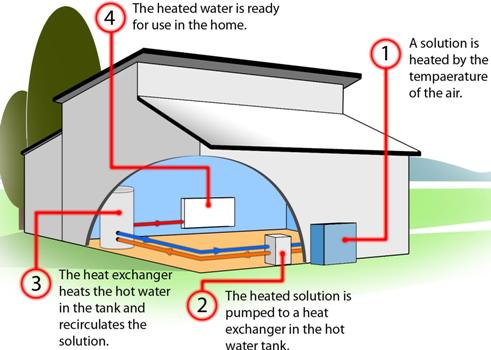
Heat pumps can either tap the constant temperature of the earth to provide efficient heating and cooling or use heat from the air for heating and cooling. Heat energy can be extracted from the earth or air in the winter, and added to the building. During the summer months the same process is turned around. Unnecessary heat is taken from the house or building and put into the earth to be cooled down.

To see an in-depth explanation on exactly how this new technology works check out this video:

There are many different types of heat pumps that can be customized to better suit your home, and since the heat and cool comes from natural sources, there are no added costs. There is also no need for boilers or cooling towers. Heat pumps can also be used in conjunction with traditional heating and cooling systems for increased heating and cooling ability.

Other advantages to the heat pumps are a long life expectancy and low environmental impact. It’s like coming up with a permanent solution to heating and cooling your home. Heat pumps are becoming more and more popular, so you should find out more about this cost-effective and environmentally friendly solution as soon as you can.

Heat Pumps Have Proven to Be the Perfect Solution for Many Homeowners

With so many heating options on the market, it’s little wonder that homeowners are often unsure which are best. Should you consider buying one that has more features and offers higher efficiency, or should you stay with the system you’ve already got?

If you’re considering a heat pump system, you can save a lot of money on installation even if you don’t already have a heat pump in your home. With summer cooling and winter heating ability and the capacity to utilize the existing ductwork in homes, heat pumps are proving to be the perfect solution for many homeowners.

Heat pumps are actually simple pieces of equipment. Heat pumps draw warmth from the air of one environment and deliver it to another environment. When you use your air conditioning with your heat pump, the heat pump removes the warmth of indoor air and pumps it outdoors, leaving your home cool and comfortable. It’s the same technology used by your freezer and refrigerator to keep food cold.

When heat pumps are used as home heating systems, they work in reverse to warm your home. A full system can switch back and forth between cooling and heating modes. In winter, the heat pump draws hidden warmth from the outdoors and pumps it indoors.

Heat pumps can heat and cool a home without the aid of furnaces and air conditioners in moderate climates. In more extreme climates, they work in conjunction with furnaces and air conditioners and decrease the amount of energy needed for heating and cooling.

Heat Pumps At a Glance

Heat pumps are a mechanical system that can help to heat and cool our houses and other buildings at a much more efficient rate. They are sustainable, requiring actually no fuels at all. We are generally more accustomed to seeing traditional gas fueled furnaces and air conditioning systems regulating the temperatures of our buildings. While heat pumps work well all on their own in many cases, the installation of a heat pump to work in tandem with an air conditioner or furnace can help to take the workload (and our dependence) off of traditional heating systems.

Here’s a video explaining how heat pumps work:

Different Options for Heating Your Household

Household heating is an important part of the infrastructure to all houses. Even in the south, where the winters are mild, homes are likely to need heating for part of the year. So what are the options for household heating? We are going to look briefly at 3 types: electrical resistance heating, furnace heating, and heat pumps.

Electrical resistance heating is almost 100% effective in turning electricity into heat; that being said, the electricity used must be generated through the burning of fuels at power plants, and then transported to the heating system in a home. This process is usually only around 30% effective. Thus, electrical resistance heating is used more often in places that don’t require extensive heating for long periods of time. For places with greater heating demands, furnaces are usually more efficient.

Furnaces burn fuels such as oil or gas in heating a household. The older models were around 50% efficient (meaning 50% of the heat generated through the burning of the fuel is used in the heating of the house; the rest is lost). Newer furnace models are up to 98% efficient. In places with colder climates, furnaces are generally preferred for the heating of a building, be it residential or commercial.

Heat pumps are the third option for heating (and, in this case, cooling) your household. Heat pumps use electricity to move heat against its natural flow from a warmer place to a colder place. In the winter, for example, a heat pump would move any warmth from the cold outside to the warmer inside. They do not generate heat but only move it. Heat pumps are usually used for heating in more moderate climates and can be 30-40% more efficient than an electrical resistance heater.

Is Air Conditioning Repair Really Something to Get So “Heated Up” Over?

Anyone who has experienced a problem requiring air conditioning repair, residential or commercial, during the more brutal months of the summer knows how frustrating and uncomfortable it can be. Whether or not you have had this awful experience, everyone dreads the day when either the vents stop blowing cool air or stop blowing air at all. But is the situation really so terrible as to warrant such feelings? The answer is: sometimes but not always! Here is a list of some of the more common problems associated with air conditioning repair, and it turns out not all of them are indeed so dire. Problems do, however, usually require the attention of a qualified technician.

A large portion of problems requiring air conditioning repair start at the initial installation of the air conditioner. The air conditioner is a complex machine combining several mechanical and chemical processes to function correctly, and therefore, it is no surprise that errors are possible during installation. Faulty wiring is one of the more common mistakes and can be dangerous as well as inconvenient. If your air conditioner stops turning on, the fault could lie in the wiring. For this reason, it is important to make sure to have a competent and qualified air conditioning repair technician service your system.

Bad wiring is undoubtedly bad, but another reason your air conditioner may have stopped turning on could be due to a problem with the compressor; and these problems can quickly become much more expensive. The compressor is one of the main components of your air conditioning system. You can help prevent restriction problems with the compressor by regularly cleaning the air filter, which, if clogged, can put a huge strain on the whole air conditioning system.

If your vents are blowing air, but the air is either not cooled sufficiently or not at all, the culprit is very possibly the coolant. Freon (prior to 2010) is the chemical usually used to cool the air going into a structure; if you are low on Freon, the air will not be cooled as you wish. However, a low level of coolant means you have a leak, which, while usually not the most serious of problems requiring a repair, must certainly be attended to by a qualified air conditioning technician.