Should You Use Air Purifiers or Air Filtration Systems in Charlotte, NC?

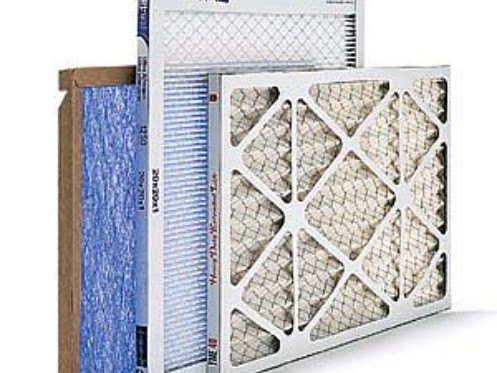
Air filters displayed in various types, showcasing HVAC air filtration systems for cleaner indoor air quality in homes.

Although some people use “air purifier” and “air filter” interchangeably, both refer to specific technologies. At [company_name], we want our clients to have the system that best fits their needs. In this article, we’ll explain how home air purifiers and air filtration systems clean your home’s air. We’ll also cover the differences between the two, and explain which type of system you might need in Charlotte, NC.

Cleaning Your Homes Air

HVAC systems circulate air through ducts in your ceilings or floors, ensuring even coverage throughout your home. Most systems also include some kind of air filtration system to remove dirt, debris, and other contaminants. The result in both cases is healthier breathable air and a more comfortable environment.

Common Air Filtration Systems

The filters that slot into a furnace or blower unit are the most common type of filtration used in HVAC systems. These filters work by blocking the debris that your HVAC system blows through them. For this reason, they are placed inside your ductwork to catch the most debris possible.

HVAC filters are great at catching and removing the following from your home’s air:

  • Pet dander
  • Dirt
  • Pollen
  • Dust

For best results, HVAC filters need to be changed every one to three months. Discuss with a professional to determine the best replacement schedule.

Understanding MERV Ratings

HVAC filters are rated using the MERV system. MERV, which stands for “Minimum Efficiency Reporting Value,” measures the size of particles that a filter can block. It’s also a sign of how efficient that filter is overall. You should always select HVAC filters that have a MERV value of at least eight. If you have allergies or asthma, or if you have pets or smokers in your home, you should look at filters with a MERV rating of 13 or higher.

If you’re not sure which MERV rating is best for your Charlotte home your [company_name] technician can provide a more detailed explanation and help you select the appropriate type of HVAC filter.

Other Types of Air Filtration System

HVAC filters aren’t the only way to filter the air in your home. Any unit that passively blocks debris while air flows through it is technically an air filtration system.

If your HVAC filter isn’t keeping your air clean enough, or if you don’t have an HVAC system, check with a professional to see if one of the following might help:

<ul>

<li>Freestanding HEPA filter</li>

<li>Electronic filter</li>

<li>Media filter</li>

</ul>

Home Air Purifiers

Unlike filtration systems, home air purifiers are devices that actively remove contaminants from your air. By using UV light, activated carbon, and other technologies, air purifiers can often neutralize elements that a typical HVAC filtration system cant catch.

For example, UV light purifiers sterilize certain microorganisms, rendering them harmless. Ionic air purifiers, on the other hand, generate an electrical field that clings to dirt and debris, removing them from the air more effectively than filtration alone. 

Portable Air Purifiers

Portable air filters are freestanding units that combine filtration with a fan and, in some cases, UV light or another type of purifier. Portable models work like an HVAC system but cover a smaller area. They suck in air, filter out dirt and debris, and then purify the air of other contaminants before blowing it back into the room.

Although portable purifiers are common, they aren’t always effective. That’s because purifiers rely on airflow to function, just like filters. If you do purchase a portable purifier, make sure you place it somewhere with good airflow. If you’re trying to clean the air in a large room, you may need multiple portable units to do the job.

Adding an Air Purifier to Your HVAC

If a portable air purifier isn’t improving your air quality, you can also add an air purifier to your existing HVAC system. This type of purifier works the same as the portable model but benefits from the higher airflow inside your ductwork.

Because air purifiers are complex systems, you can’t install one on your own. You’ll need to work with an HVAC professional in Charlotte to ensure that everything is set up correctly without damaging your air ducts or other parts of your HVAC system. The technicians at [company_name] can help you determine the best approach.

Types of Air Purifier

The type of air purifier you need will depend on the reason you want cleaner air. If you’re concerned about bacteria, viruses, or other kinds of microorganisms, you may want an ultraviolet air purifier, which uses UV light to remove bacteria and viruses from the air.

On the other hand, if you’re trying to filter smoke from the air, you should consider a purifier that uses activated charcoal or activated carbon. These materials are highly absorbent and extremely effective at removing smoke particles and other odors from the air in your home.

If you’ve just noticed that your HVAC’s air filtration system isn’t getting rid of enough dust and dirt, you might want to look into ionic air purifiers. These bond to particles electrically to purify your air and can be a great supplementary measure to improve your indoor air quality.

Do You Need an Air Purifier?

If you are just looking to make sure your air is a little cleaner, a standard HVAC air filter might be all you need. However, investing in a more heavy-duty air filtration system can make a significant difference if you suffer from allergies or asthma. 

Air purifiers are typically more efficient at removing certain types of contaminants from the air, but the type you need will vary based on your needs. An activated carbon purifier won’t help if you’re trying to remove bacteria from the air, for example. 

Basic HVAC filters are usually cheaper than purifiers, as well, making them a good choice for budget-conscious clients. Of course, there are more expensive filtration systems available for those who need one. Air purifiers can also be a little costly, especially if you need to purchase portable models for multiple rooms in your home. 

Remember that both air purifiers and filters need airflow to clean the air. If you have existing ductwork, ask a professional about adding a filtration system or purifier inside your HVAC system. This is likely to be much more effective than using a portable model.

Why You Might Need a Filter and a Purifier

Do you have allergies, asthma, or other reasons to be concerned about the air quality in your area? If so, you should consider using an air filtration system in conjunction with an air purifier. 

Professional HVAC Services in Charlotte

Thinking about adding an air purifier or air filtration system to your home? [company_name] offers HVAC and electrical services in Charlotte and the surrounding area. Our knowledgeable technicians can install a new HVAC or improve the efficiency of an existing system with maintenance and repairs. Don’t suffer through low-quality air in your home. Contact [company_name] today and start breathing more easily.

For Reliable Heating and Cooling Throughout the Year, Consider an Air Handler

One of the most important components of a traditional heat pump system is the air handler. It provides you with reliable, steady heating and cooling all year round, while ventilating stale air out and fresh air in. Moreover, it filters out unwanted contaminants. An air handler can even give additional protection with humidity control and air quality upgrades.

How Does It Work?

The air handling unit is located in a home that has heating and/or cooling parts, a blower fan, dampers and filters. It controls the amount of air being sent through the heater or air conditioner. An air handler also determines whether the air being sent is cool or warm. It is connected to the ducts that distribute air through a home and returns it to the air handler via the air filter and return vent.

Installation Considerations

When selecting a new air handler, the existing cooling and heating systems in your home are extremely important considerations, as well as the total square-footage. Furthermore, if you only require an air handler for your heat pump or furnace for use in winter, you may not need dehumidification.

Conversely, if you want to use an air handler throughout the year for both cooling and heating, and have it integrated with other systems such as air filtration, UV germicidal lights and dehumidification, you’ll need one that can provide all the necessary tools and protections to meet your needs. A heating and cooling professional will have to come and assess your home to ensure you get a suitable air handler.

Do Some Simple Checks Before Calling Your Furnace Repair Technician

While most furnace repair work should be performed by a professional, there are some simple fixes that you may be able to do yourself. For example, if your furnace is not getting enough heat, check that the main breaker is open and the furnace switch is on. But if the breaker or fuse trips after you have reset it, call a professional furnace technician.

Here are some other minor checks that you can do:

  • Check the filter. If it’s dirty, you can clean it or replace it, and if it’s damaged, you can replace it.
  • Check if the blower belt is broken or loose. If it’s loose, a simple adjustment may do the trick, and if it’s broken, you can replace it.
  • If the ducts are clogged, clean out the blower assembly. This too is a simple furnace repair job.

The Furnace Doesn’t Run At All

A possible cause is no power. If so, you’ll need to check for any blown fuses or tripped circuit breakers on the main entrance panel. Check the separate entrance panel also, and in or on the furnace. A motor overload could be another reason why your furnace doesn’t run. Wait for about 30 minutes, and then press the reset button.

The Blower Won’t Stop Running

If the blower control is incorrectly set, reset the thermostat from the “on” position to the “auto” position. If you discover that the relays are not working properly while checking the blower, this problem must be attended to by an experienced furnace repair technician.

Common Culprits That Call for Furnace Repair

Of course there are any number of things that necessitate furnace repair, certain problems occur much more commonly than others, as well as range from minor to potentially dangerous. Knowing what to look for can be helpful both in deciding how to proceed with the furnace repair process and also to help you communicate more effectively with your furnace repair technician.

One of the first things to check when your furnace fails to start is the thermostat. A faulty thermostat will not allow the furnace to recognize the need to start heating. The good news is a broken thermostat is also one of the more simple problems to have repaired.

If the furnace turns on, but one or two of the rooms of the house are not receiving air, the problem is likely to be in the air ducts themselves. Perhaps one or more of them are broken or have become blocked. This problem can become more difficult when the air ducts are in places difficult to reach.

If your furnace is lit, but none of the rooms are receiving air at, the problem could be the blower or the circulating fan. This problem will definitely call for a furnace repair. The blower takes the air from the cold rooms, runs them through the heat exchanger, warming the air, and then sends the warm air back into the house. A disruption in the flow of air can also cause overheating in the furnace itself.

Clogged, dirty, or blocked air filters can also cause problems and lead to furnace repair. It is essential to have clean and clear filters through which the air may move freely. Restricting the flow of air can cause unnecessary strain on the system and increase energy consumption. However, this problem is more an issue of maintenance. Make sure to clean your filters at a very minimum of once every three months during the use of the furnace; more often would be even better. Caring for and getting routine maintenance for your heating system will help prevent the need for furnace repair in the first place.

Avoiding the Inevitable: Air Conditioning Repair

Air conditioning repair is an unfortunate possibility for most of us living anywhere south of, let’s say, the taiga. But this harrowing experience may be avoided, if the air conditioning unit is given proper care and maintenance. Of course, not all of us are certified, experienced air conditioning repair technicians; while it’s always a good idea to have one regularly inspect your air conditioning system before each change of season, there are still minor details to which a homeowner can attend.

The first and easiest step in the maintenance of your air conditioning is to clean or replace the filters regularly. The filters will collect dust quickly when the air conditioning is in constant and regular use, so change them frequently. Check them minimally every two months; more frequent cleanings are recommended if you are using your air conditioning constantly or in dusty conditions.

The condenser coils are another part of the air conditioning unit to maintain. The condenser coils are located on the outdoor unit, and have metal fins through which the hot air is dispersed. You will want to make sure these metal fins are clear of debris, in order to let the air pass unrestricted and efficiently. Simply wipe any large debris away, and then clean with water and a brush. Our certified technicians have chemical cleaning agents to do a more thorough cleaning of the outdoor condensing coils. An efficient flow of air will let the unit function properly as well as help to prevent the need for air conditioning repair.

Heating and Cooling Filters Never Get a Break – Change Them Every 3 Months

The performance of your heating and cooling system is greatly affected by the condition of the air filters. As air flows in and out of your system, the filter traps particles like pet dander, pollen, dust mites and dirt, and removes them from the air. Over time, dirt builds up on the filter like this:

Dirty, clogged filters block normal air flow and affect overall performance, but they also increase energy consumption. If you keep the filter in your heating and cooling system clean, you can reduce its energy consumption by 5-15 percent.

Dirty filters also:

  • Compromise the quality of your air.
  • Reduce the amount of air flowing into the system. This forces the fan motor to work harder and consume more energy, and you pay more money to stay comfortable.
  • Shorten the life of the motor because it works too hard. Once again, you pay money to have it prematurely replaced.
  • Cause the temperature of your furnace to rise as a result of reduced air flow. This places stress on the heat exchanger which may cause it to crack or allow lethal carbon monoxide to leak into your home.Filters should be checked every month. If they are dirty, replace them. At a minimum, air filters should be changed every 3 months.Many types of air filters are available. For your heating and cooling system to provide optimal performance, it’s important to use the correct type and size of filter. Often, the most efficient filters are not suitable for all systems. See which type of filter your owner’s manual recommends.

Your A/C’s Air Filter: MERV By the Numbers

Taking the mystery out of what MERV ratings are and how they affect the air quality of your home doesn’t have to be a chore. We’ll break it down for you in an easy and comprehensive way. MERV stands for Minimum Efficiency Reporting Value, by which your indoor air filter is measured according to the filter’s ability to arrest airborne particles. Filters are measured on a MERV scale from 1-16.

Choosing the right air filter can greatly improve the indoor air quality of your home and give your family relief from common irritants such as allergens, tobacco smoke, spores, dust mites and odors. Your air filter will vary in efficiency depending on its composition. Let’s break it all down by the numbers.

  • The most common air filter type found in most homes and apartments has a MERV rating of 1-4. These filters capture contaminants 10 microns and larger, such as carpet fibers, pollen, dust mites, sanding and spray paint dust. These types of air filters need to changed very often.
  • Filters with a MERV 5-8 are basic commercial filters and are highly recommended for home use due to their ability remove mold spores, fine cement dust and particles as large as 3 microns in size.
  • Commercial and industrial air filters that are rated between 9 and 12 have the ability to arrest particles that are 1-3 microns in size such as smoke, lead and insecticidal dusts.
  • Hospitals, sterile environments and clean rooms require extra protection and use filters rated MERV 13-16. These air filters will capture particles as small as 0.3 microns in size, such as viruses, bacteria and fumes from cooking. These Merv 16 filters are available for home use and are highly recommended for homes.

It’s also important to note that electrostatic filters are not listed and do not have MERV ratings due to the fact that they use a different method of capturing particles.If you’d like more information or a consultation, our friendly and knowledgeable experts at Acosta Heating and Cooling will be glad to answer any questions you may have. Contact us today!

Your Heat Pump: Tend to It Before You Really Need It This Summer

Outdoor temperatures at the height of summer can be extremely hot. Heat pumps need regular maintenance, so tend to yours now and you’ll be able to rely on it to work at its best when summer temperatures are highest.

Change or clean filters

Dirty filters are a major source of system breakdowns. They restrict the airflow your heat pump needs to function properly. They also let airborne contaminants and particulates back into your indoor air. Check all air filters monthly and change or clean them if dirty.

  • Fiberglass: Remove and discard these filters when they get dirty — at least every three months. Install a new filter; don’t try to clean and reuse old filters.
  • Plastic fiber or foam: Vacuum these filters clean and put them back in.
  • Aluminum mesh: These are the least effective be sure to clean with mild detergent and water. Add a new coat of the adhesive coating that captures dust and particulates, then reinstall the filter.

Clean the unit inside and out

Remove bushes, shrubs, trees, grass or other vegetation and obstructions from around the outdoor unit of your heat pump. Make sure there is plenty of clearance on all sides so that the unit receives plenty of airflow. Clean inside the cabinet and remove grass, twigs, leaves, nests or other debris. Clean the outside of the cabinet with a mild liquid cleaner and soft cloth. Wash the fan blades and coil to remove contaminants that can cause rust or corrosion.

Protect the unit

Do not let lawn additives to directly contact the cabinet; lawn chemicals such as chlorine or sulfur can cause corrosion and other damage. Contact your trusted HVAC contractor to perform regular preventive maintenance on your heat pump.

Acosta Heating, Cooling & Electrical has been a source of professional heating and air conditioning services to customers in Charlotte and surrounding areas for 40 years. Contact us today for more information on maintaining heat pumps and how you can keep your heat pump operating at its best throughout the summer season.

Your New Air Conditioner: Pay Attention to the Seer Ratings, But Consider These Features, Too

No matter what brand of air conditioner you choose to buy, the unit should be as efficient as possible so that it provides good cooling at a reasonable price. An Energy Star certification will ensure you’re getting a model that has passed government tests for efficiency. The unit should have a Seasonal Energy Efficiency Ratio (SEER) of 15 or higher, with higher SEER numbers indicating better efficiency.

Beyond SEER, however, there are several other features that will improve the performance of your new air conditioner while providing high levels of efficiency and ongoing savings on your monthly cooling bills.

  • Variable-speed air handler: Variable-speed blower motors in your air handling system are designed to operate at lower energy consumption while delivering the right amount of air circulation for your indoor comfort. They produce all the air you need without using excess energy.
  • Automatic delay fan switch: This feature shuts off the fan a few minutes after the unit’s compressor turns off. This ensures that all cooling left on your indoor coil is circulated before the fan is shut off.
  • Fan-only switch: This feature lets you run the fan in your system for ventilation only. It also circulates the air in your home cleaning it as it passes the filter and the air movement makes it feel cooler, keeping air circulating through your house without spending money on unnecessary cooling.
  • Filter reminder: Filter changes keep your air conditioner running efficiently and reliably. A filter reminder will let you know that it’s time to put a new filter in the system to keep it running at its best and without breakdowns.
  • Sound Rating: A noisy air conditioner can be a source of aggravation. Make sure the model air conditioner you choose has a low sound rating to reduce stress-causing background noise in your home.

For 40 years, Acosta Heating, Cooling & Electrical has been a trusted source of professional heating and air conditioning services for customers in Charlotte and surrounding areas. Contact us today for more information and expert advice on air conditioners and the features that will work best for you.