Preparing Your Home and HVAC for Back-to-School Season

Smart thermostat being adjusted to 72 degrees Fahrenheit, highlighting energy efficiency and home comfort in HVAC systems.

Are you prepared for back-to-school season? You might have gone school shopping, gotten new lunch boxes, figured out the carpool schedule, and had your calendar already scheduled with after-school and weekend activities, but that’s not the back-to-school season we’re talking about. At Acosta Heating, Cooling & Electrical, we’re talking about getting your HVAC system ready for the seasonal transition from summer to fall.

The end of summer is the perfect time to give your HVAC system the TLC it needs. With the heating system being unused for several months, you want to make sure it’s ready to do its job when you use it more frequently as the weather cools. Read on to learn more about how you can prepare your HVAC system for high-usage months.

Install a Smart Thermostat

As cooler winter temperatures settle over the region, you want to use your HVAC efficiently. One way to lower your home’s energy consumption and optimize your heating and cooling is by using a smart thermostat or programmable thermostat.

When the kids are in school and fewer bodies are home, why heat the home needlessly? Smart and programmable thermostats let you set the indoor temperature to coincide with your family’s schedule. You can keep the home cooler when empty and start heating it right before everyone gets home for the evening. Smart thermostats even learn your household patterns, making it even easier to achieve optimal indoor comfort without you having to lift a finger.

Although many home improvement stores sell smart and programmable thermostats, skip the DIY installation and go the professional route. Hiring a qualified service technician to install modern thermostats ensures they’re calibrated correctly, and you get all the energy-saving benefits.

Schedule a Professional HVAC Tune-Up

As you prepare for back to school, scheduling doctor appointments and making sure everyone has their immunizations, don’t forget to schedule a checkup for your HVAC system, too. Seasonal tune-ups for your HVAC system make a world of difference in performance and efficiency.

During a professional HVAC tune-up, you can expect the technician to clean the unit, replace the filter, and inspect the system for mechanical defects. If the technician finds mechanical problems, they’ll recommend repairs. Most technicians drive fully stocked vehicles and can make repairs on the spot. No need to schedule another service call. Ask your HVAC specialist about maintenance plans for exceptional savings!

Put Filter Changes on Your Calendar

Your HVAC air filter is responsible for trapping allergens, pet dander, and other airborne contaminants and keeping them from circulating through the home. During the cooler months, when people spend more time indoors, it’s important to keep the air clean to boost indoor air quality. Changing the HVAC filter every 30-60 days helps you achieve this goal. Put checking your filter on your end-of-summer to-do list.

Install a Whole-home Purification System

When the kids go back to school, they bring home more than homework and lunch boxes with uneaten apples inside. They also bring home germs and viruses. Installing a home purification system can help you manage airborne viruses and bacteria in your home.

Professional whole-house purification systems, like electronic filters, ultraviolet filters, and HEPA filters, work with your HVAC system and remove nearly 99.9% of the airborne contaminants in the home — and you don’t have to install a new HVAC system. Most whole-house purification systems are compatible with existing heating and cooling systems. An HVAC specialist can help you choose the right system for your home and budget.

Clean Your Ductwork

With the kids home all summer, chances are your home’s ductwork and registers have their fair share of dust buildup. Yes, even if you have an immaculately clean home, you likely have dirty ductwork. It happens because everyone tracks dirt, dust, and other substances into the house. Air filters do a good job of filtering much of the airborne pollutants, but some still get through and can build up inside the ductwork.

Dirty ductwork does more than contribute to poor indoor air quality. Filthy ducts also cause your HVAC to work harder. Anytime your HVAC system overexerts itself, this can cause mechanical problems and shorten the system’s lifespan. Schedule ductwork cleaning to enjoy better HVAC performance and reduce the risk of emergency breakdowns.

Schedule Repairs

Did you have issues with your heating system last winter? Did you put off getting repairs because it was the end of the season, and you didn’t want to deal with the inconvenience or cost? You’re not alone. Many homeowners do the same, but then they forget about the issue. They turn their heating system on, and the first time it has to work overtime, guess what happens? That’s right. The system doesn’t run well or fails to run at all.

Before winter gets in full swing and things get busy, get those repairs made. The problems you had last winter won’t fix themselves magically. Instead, they often come back bigger. When you schedule repairs before the heating season begins, you don’t have to worry about being without heat while you wait for emergency repairs. You have peace of mind that your system’s primed and ready to handle whatever winter throws at it. You also save money because you won’t pay emergency service rates.

Upgrade Your HVAC System

If a new HVAC system has been on your to-do list for some time, there’s no better time to install one than the back-to-school season. One, the kids are out of the house, and you don’t have to worry about getting in the installer’s way or being inconvenienced if the AC is running or the electricity is turned off during the installation.

Two, you have more time to shop around for deals and find a system that fits your budget without feeling rushed. If your heating and cooling system is nearing the end of its lifespan, replacing it before it breaks down completely is more convenient and less stressful.

Contact Charlotte’s Top HVAC Experts

At Acosta Heating, Cooling & Electrical, we know the back-to-school season can get hectic. You have a lot on your plate, and it’s hard to get back into the swing of things. That’s why we want to make it easy to schedule repairs, maintenance services, and other heating and cooling tasks on your to-do list with our online scheduling services.

When you choose to work with our team of experts, you can feel confident knowing your comfort is our top priority. Since 1972, we’ve offered a wide range of home services, including air conditioning, heating, and electrical repair services. We go above and beyond to help our customers get the services they need without breaking the bank, offering specials and financing offers. We back our industry-leading services and solutions with our customer satisfaction guarantee and our passion for getting things done right the first time.

For exceptional HVAC services in Charlotte and surrounding areas, call Acosta Heating, Cooling & Electrical today!

How to Maintain Your HVAC System During Vacation Season

Man adjusting a smart thermostat on a wall, showcasing HVAC maintenance and home comfort solutions.

One of the best ways to relax on a summer vacation is knowing that your home will be safe while you’re away. Part of your vacation planning needs to include getting your HVAC system ready to operate when no one is home. You can take several proactive steps to ensure that your HVAC system will run efficiently and not damage your home if you go away on vacation.

Can You Turn Off the HVAC for an Extended Period?

To save on your electric bills, your initial instinct might be to turn your HVAC off entirely for your vacation. Before you go down that path, you have to think about how hot it might get while you’re away. In Charlotte, NC, the average temperature highs during the summer season range between 86 and 90 degrees Fahrenheit. In a home that is closed up for vacation and without cool air circulating, those high temperatures could trigger all kinds of problems.

For instance, without air conditioning running in a hot home, there could be a risk of elevated humidity and stagnant air, which are the perfect conditions for mold to flourish. If you grow plants indoors, your home’s HVAC systems are vital in keeping them healthy and vibrant. Perishable products and certain electronics might also be a target of pest incursions in stagnant air. These are some of the important reasons why you should leave your HVAC systems on during your vacation.

The Department of Energy recommends keeping your thermostat set between 80 and 85 degrees if you are going on vacation for five days or longer. Running your air conditioning at that level will help keep the humidity inside your home at safe levels.

Prepping Your HVAC System for a Vacation

There are several tasks you can add to your vacation prep list that directly relate to prepping your HVAC systems. Consider the following.

Upgrade to a Programmable Thermostat

The most energy-efficient way to manage your home’s temperature is with a programmable or smart thermostat. These devices allow you to set up a customized schedule for your air conditioning while you’re away. You can set different temperatures for your air conditioning to turn on throughout the day.

The smart thermostat also provides the current temperature in your home. You can check that on the smartphone anywhere you have a Wi-Fi signal. That means you can make adjustments, especially on hot days in Charlotte. This technology helps maintain a home’s living environment and saves money.

Adding a smart thermostat is not a DIY task. If you are unfamiliar with your wiring, you could cause a severe repair problem. Instead, our experienced comfort consultants working for Acosta Heating, Cooling & Electrical should handle upgrading to a smart thermostat. They will be in the best position to recommend the correct device for your home’s size. They will also have it properly installed to fully integrate with your current HVAC system.

Establish a Maintenance Tune-up

It’s a good idea to schedule a maintenance check for your HVAC system with those same comfort consultants. That tune-up will ensure that your HVAC system is operating as it should without any added strain. If there is a potential problem, then it can be corrected in the same appointment. That tune-up provides peace of mind that allows you to enjoy your vacation. It can also minimize the risk of coming home to an unexpected system failure.

Change Air Filters

Clean air filters help increase airflow throughout your home, improving energy efficiency and indoor air quality. This will reduce the risk of allergy-triggering pollutants accumulating in your home while you’re away on vacation. To achieve all those benefits, it would be best to change the air filters before you leave.

Have the Ductwork Inspected


Regular ductwork inspections help you maintain a well-functioning HVAC system. That translates into lower electricity bills and extending the lifespan of your HVAC. A duct leak or other obstruction can trigger problems with the airflow from your HVAC. This is another task to turn over to our experienced comfort consultants at Acosta Heating, Cooling & Electrical. It’s recommended that ductwork be inspected at least once a year. Before you leave on your vacation is the perfect time for that inspection.

Clean Vents and Registers

Another helpful task to take on before you go on vacation is to clean the vents and registers that are part of your home’s HVAC system. Clean vents support efficient airflow. When dust and debris build up on the vents, they can obstruct airflow throughout the home, straining your air conditioning. Clean vents also reduce the likelihood of dust and dander flowing into your home’s air.

Additionally, it would help if you kept all the vents in your home open to prevent an imbalance of pressure. The same can be said for your bedroom doors. Keep them open to promote good air circulation. That is another way to prevent added strain on your HVAC system and keep it running efficiently while you’re on vacation.

Keep the Curtains and Blinds Closed

Before you leave for vacation, you should close all the blinds and curtains in your home. This is a quick task that helps maintain an even interior temperature by blocking out the sun’s rays. That can help improve energy usage. It also shields your furniture and rugs from UV rays and provides added security.

Clean Debris From the Outside Unit

If your HVAC system has a unit that is located outside of your house, you want to make sure it’s clear of debris like leaves, weeds, and overgrown grass. Ideally, you should have at least 2 feet of clear space around the entire unit. You can also use a vacuum with a soft brush attachment to clear out the dirt and dust that has built up on the condenser fins. A final spray with a garden hose will make sure the unit is completely clean.

Returning Home

When you get back home, you might be tempted to crank up your air conditioning to chill down the house. That can put a strain on the system that has been operating at minimum levels while you were away. Instead, take a gradual approach to lower the temperature in your home. If you have your smart thermostat in place, you can make the adjustments when your plane lands.

Schedule Your HVAC Maintenance

Acosta Heating, Cooling & Electrical has been helping homeowners in Charlotte, NC, maintain their HVAC systems since 1972. Our founder, Zeke Acosta, had a simple philosophy: “Do more for the customer than is expected of you.” We bring that philosophy to every service call. In addition to the support we can provide to get your HVAC ready for your vacation, we can help with a complete range of electrical services, including repairs, upgrades, and installation.

Before you head off on vacation, call in our comfort consultants at Acosta Heating, Cooling & Electric to get a tune-up for your home’s HVAC system.

Your Winter Home Maintenance Checklist

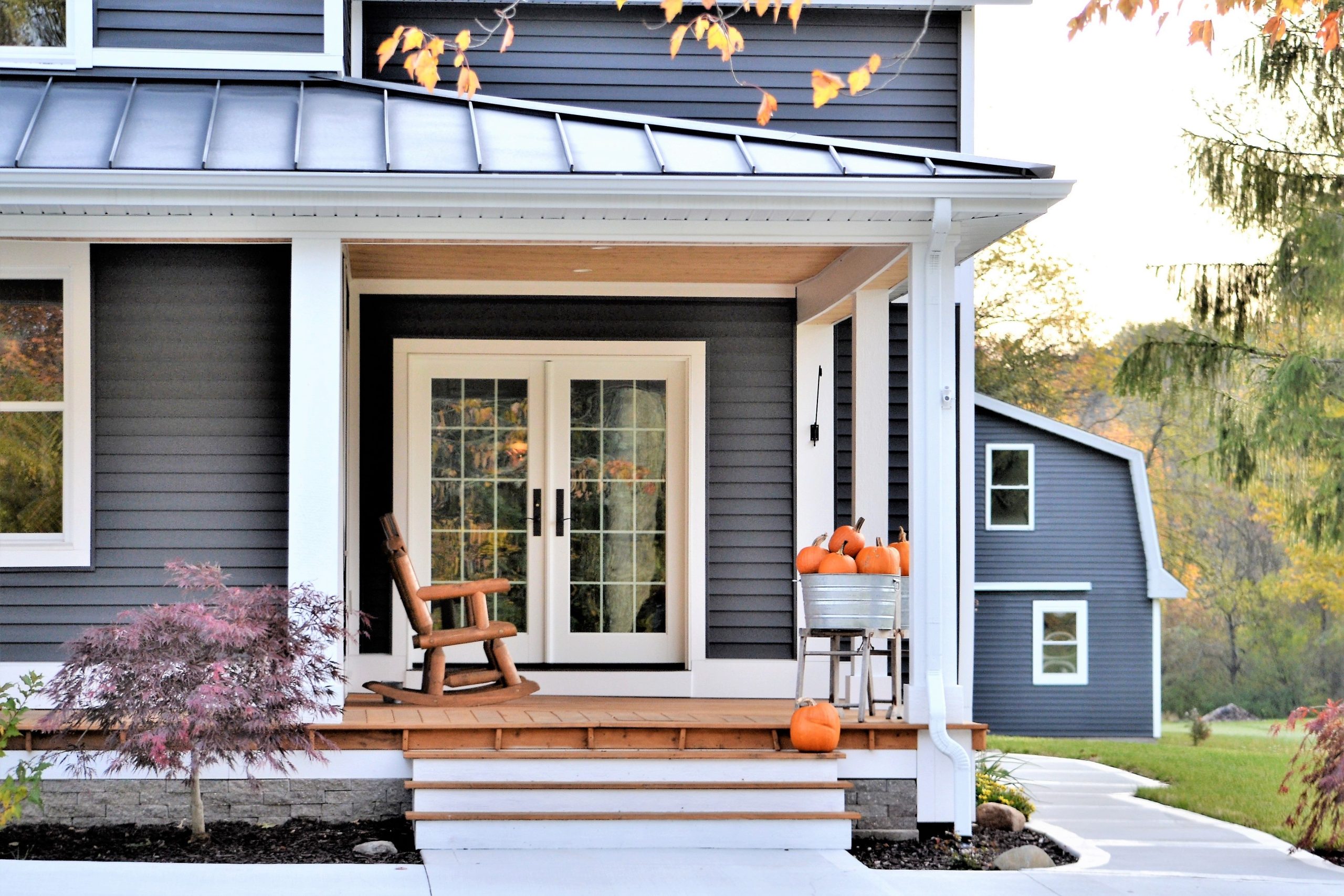
Modern country home entrance with a rocking chair and decorative pumpkins on the porch, showcasing a welcoming atmosphere for winter home maintenance and comfort.

Here is the provided text with numbers removed:

The upcoming winter chills mean it’s time to prepare your home for the icy strike. A properly maintained house can stand against even the worst winter conditions. This winter home maintenance checklist provides a comprehensive guide to safeguarding your home against potential issues that could turn into costly repairs. While some tasks seem simple enough for the DIY homeowner, it’s worth considering professional maintenance. Experts have the equipment and trained eyes to spot and address problems you might overlook. Your home is one of your most significant investments; ensure it’s protected this winter.

Schedule a Professional Roof Inspection

A professional roof inspection is one of the most critical steps in winter home maintenance. A sturdy, leak-free roof is your home’s primary defense against the elements. While you can certainly look for visible signs of damage, trained professionals can detect issues that are not readily apparent to the untrained eye.

Roofing professionals will check for loose, missing, or damaged shingles that could let in water when snow and ice begin to thaw. They’ll also assess the structural integrity of your roof, ensuring it can bear the weight of heavy snowfalls. Importantly, they can spot early signs of a failing roof that could lead to significant problems if not promptly addressed.

Scheduling a professional roof inspection before winter arrives is a wise investment. It can save you from expensive water damage repairs later on and provide peace of mind that your home is prepared to weather the winter storms. Remember, preventative maintenance is always more cost-effective than reactive repairs. For residents of Charlotte, NC, [company_name] is a trusted company that can provide quality HVAC maintenance and repairs.

Check the Insulation Proper insulation is one of the most crucial things in maintaining a warm and comfortable home during winter. This also saves energy expenditure as it prevents heat loss from the house. While you can check the insulation in visible areas, consider hiring a professional to assess your home’s overall insulation. They will ensure it is adequately and correctly installed, providing an essential defense against winter’s chill. They can also identify areas that need additional insulation, such as attics and walls.

Additionally, professionals can check for any air leaks around windows, doors, and electrical outlets that could let cold air in. These small gaps can significantly impact your home’s energy efficiency and comfort levels during the winter. Sealing them up with weatherstripping or caulking is a quick and easy fix that professionals can handle in no time.

Service Your HVAC System Your HVAC system is the heart of your home’s comfort. Getting your HVAC system professionally inspected just before winter is crucial. They will clean or replace filters, check for potential issues, and ensure the unit runs efficiently. Properly maintained HVAC systems are essential as they keep you warm, reduce energy usage, and avoid equipment failure in winter.

Professionals may also inspect your ducts during maintenance to check for leaks or other damages that would cause heat loss. They can also check and repair the insulation around your ductwork if necessary. Properly functioning HVAC systems help maintain a comfortable temperature in your home while reducing energy costs.

Inspect Windows and Doors Inspecting windows and doors is another crucial step in preparing your home for the winter. These areas are common heat loss culprits, leading to increased energy bills and a chilly home. A DIY inspection can reveal visible issues like broken seals or cracks in the glass, but hiring a professional for a comprehensive assessment is recommended.

Professionals utilize advanced tools and techniques to identify more subtle issues, such as gaps in weatherstripping or alignment problems. They can also ensure your doors and windows are properly insulated and sealed to prevent drafts. Even minor drafts can significantly affect your home’s energy efficiency and warmth.

In addition to inspecting the windows and doors, professionals can also assess the framework and surrounding walls. They can identify and address issues like decay, water damage, or pest infiltration, which could compromise the integrity of your windows and doors over time.

Moreover, window and door professionals can provide valuable advice on the best types of windows and doors for energy efficiency. They can guide you in selecting double or triple-glazed windows or doors with proper insulation and weatherstripping, which can be highly beneficial for homes in colder climates.

Prepare the Exterior Before the first snowfall, it’s essential to prepare the exterior of your home for winter. This includes cleaning gutters and downspouts to ensure proper drainage and prevent ice dams. Hiring a professional for this task is highly recommended, as they have specialized equipment to safely and efficiently clear debris from your gutters.

Professionals can also check for any damage or blockages in your roof’s drainage system, which could lead to water buildup and potential leaks. They can also assess the condition of your home’s foundation and repair any cracks or gaps that could let in cold air.

Lastly, professionals can provide valuable advice on landscaping and tree maintenance to prevent branches from damaging your home during winter storms. Removing dead or overhanging branches can prevent them from breaking and causing costly damage to your roof or windows.

Schedule an Inspection for Your Plumbing System A professionally conducted plumbing system inspection is imperative to winter home maintenance. As temperatures drop, any water left in your pipes can freeze, leading to pipe expansion and potential bursts, a costly and messy problem to address. A qualified plumber will thoroughly inspect your plumbing system, identifying areas at risk for freezing and offering solutions such as insulation or heat tape.

The inspection will also cover water heaters, which work overtime during cold months to provide hot showers and warm water for washing dishes and laundry. Regular maintenance can prevent sudden breakdowns, ensuring consistent performance throughout winter. A professional will check the system for leaks, sediment buildup, or operational issues, resolving them proactively to prevent disruptions to your daily routines. Furthermore, they can assess if your water heater is energy-efficient or suggest upgrades if it’s not.

Another aspect professionals will evaluate is the outdoor fixtures and irrigation systems. These are often overlooked but can be severely impacted by freezing temperatures. Professionals will ensure they are adequately winterized, preventing potential leaks when spring arrives.

Lastly, a professional plumbing inspection will include the sewer system. Winter can exacerbate existing issues, turning minor problems into major headaches. A professional will inspect for blockages, ensuring your system is in tip-top shape to handle winter’s challenges.

Do Not Forget the Fireplace The cold days of winter are ideal for sitting around a warm fireplace. Before doing so, however, ensure that the fireplace is secure and operational. A professional chimney sweep will remove any deposits of Creosote, which is quite flammable and may be a fire threat. They can also check for any blockages or damage in the chimney, ensuring proper ventilation. Additionally, they can inspect the fireplace itself, looking for any cracks or issues with the flue.

Professionals can also provide tips on maintaining your fireplace throughout the winter season. These should include regular cleaning of ash and debris, good firewood, and closing the flue whenever it is not used to minimize heat loss. A fireplace that is in good condition offers comfort, as well as assurance of safety.

Don’t leave your winter home maintenance to chance. Choose [company_name] as your trusted partner in Charlotte, NC. We’re experts in ensuring your home stays warm, safe, and energy-efficient throughout the chilly season. From checking your HVAC systems to inspecting your electrical connections, we’ve got you covered! Call us today for a comprehensive winter home inspection.

How to Improve Indoor Humidity Levels in Winter

Family enjoying time together indoors, smiling with a baby, wearing cozy sweaters near a window, highlighting warmth and comfort in a home setting.

During the long winter in Charlotte, your furnace will be cranking to warm your home. You’ll enjoy cozy nights, nice fires, and a warm house. Nevertheless, using the furnace to heat the house consistently will result in low humidity, and your indoor air will be extremely dry.

When the humidity in your home falls below a manageable level, the outcome could become unpleasant in various ways. There are often unforeseen problems in this situation. The common issue is drying of the skin, which can be painful and irritating. You may experience sore spots and cracks on your body, especially on the hands, head, and face. You may also experience drying of the inside of your nose and eyes, resulting in increased vulnerability to viral diseases.

Other than your body, low humidity can affect the contents of your home, such as wood flooring and furniture. With these items, lack of humidity can dry out the material, leaving the wood cracking and separating. While a high level of humidity causes the development of mold and mildew, it is important to find a balance to avoid running into any of these issues during the winter. Here are several ways you can achieve this balance by increasing the humidity level in your home during the cold months.

Use a Humidifier

Using a humidifier to get that extra humidity in your home is one of the most effective methods of combating dry air. Various types of humidifiers are available on the market, which means you can select the one that suits your needs the best. For the individual rooms in your home, you can go with portable humidifiers. These are convenient in small spaces, such as bedrooms, so that you can increase humidity where there is an issue with dry air.

The downside of getting a small humidifier is that it uses a lot of energy to get a limited area of your home to the desired level of humidity. Consider getting a whole-home humidifier that is tied to your furnace. In this case, as long as your furnace is running, you will constantly enjoy humidity circulating with the warm air.

Based on your needs, the humidity level you require for your home, and the size of your house, our specialists at [company_name] can help you make the right decision when purchasing a humidifier.

Seal drafts and leaks allow cold air to infiltrate your home and can frustrate your efforts to attain an optimal humidity level. These leaks and drafts act as pathways through which dry air finds its way into your house and disrupts the balance of humidity in your indoor air.

We recommend that you seal door and window frames with weather-stripping. You can also apply caulk around penetration points such as vents, wiring, and pipes through exterior walls.

The ceiling, attic, and basement could also have hidden cracks. Check them out and seal them to stop air leakage and prevent further humidity loss. When you prevent cold drafts, you will reduce pressure on your HVAC system, which dries air even more. You’ll also be able to save on heating costs.

Water-Based Oil Diffusers

The diffuser has an element that works by converting water into vapor. All you have to do is mix a base of water with a few drops of essential oils. The essence is to diffuse water into vapor directly into the room. Your home will not only have an adequate level of humidity but also an amazing fresh scent.

Consider positioning stylish diffusers in frequented areas such as workspaces, bedrooms, and sitting areas. In these places, one might also function aesthetically as an attractive tabletop unit. Make sure you clean your diffuser regularly to prevent the formation of slime and the buildup of bacteria, as this is a common tendency with diffusers and fountains.

Showering

Taking a shower may sound like the most basic of solutions, but it works. Showering results in increased levels of moisture buildup from the heated water as steam condenses on your bathroom walls. Don’t underestimate it. The warm water vapor exits the bathroom into the neighboring indoor air.

Next time you hop into the shower, take a long bath, and don’t close the bathroom door. This will maximize the humidity benefits. You can also leave the hot bath water to cool on its own after the shower. This will give your room a boost of moisture, which can then circulate into the neighboring rooms.

House Plants

House plants add an aesthetic appeal to our spaces. Moreover, they are also an excellent way to add much-desired moisture to your home during the winter. Plants contribute to natural humidity through their leaves and the process of transpiration.

When plants transpire, they release excess moisture absorbed through their roots and given off through the tiny pores on the leaves. You can achieve great benefits by combining various types of home plants to enjoy a multiplied humidifying effect.

You can also use double-potting, pebble trays, and terrarium enclosures to further increase moisture levels around your home plants. Monitor window condensation carefully to avoid the development of mold and excess dripping.

Boil Water and Cook More

If you have ever boiled water for tea or boiled a pot of corn, you will notice the amount of time you spend trying to dry up the condensation from the walls and kitchen surfaces. Boiling and heating water converts the water into humid vapor. You can also generate helpful humidity when cooking normally, such as by making oatmeal, blanching vegetables, and simmering big pots of soup or stews.

When you are done cooking or boiling water, allow some moisture to permeate the air instead of venting all of it aggressively outside. You can also benefit from steamers and crockpots for that extra humidity. It is advisable, however, to pay keen attention to the buildup of condensation around the windows and wipe away any excess to discourage the growth of mold.

Use a Water Fountain or Aquarium Small aquariums and tabletop fountains are decorative features that make our spaces look attractive, but they are also important humidity boosters. These water features give off humidity through the evaporation of their surfaces. They function just like ponds and lakes. This means that if you have an exposed surface, the moisture will get passively diffused into nearby air.

Ensure you position your water fountain or aquarium near heat ducts to aid the evaporation process during the winter. You may also need to refill water features frequently to replace the evaporated water and ensure that your indoor air feels less parched.

What Are Your Options Today?

Maintaining a good balance of moisture in your Charlotte home during the winter is crucial for your health, your comfort, and the preservation of your valuables. You do not want to spend the winter worrying about your susceptibility to infections, dry skin, respiratory problems, and even damage to your household items.

Our team at [company_name] will walk with you through the various choices available to ensure you an optimal humidity level this winter, and our HVAC experts will give you information on how you can improve the quality of your indoor air year-round. We also offer heating, cooling, and electrical services for your Charlotte home.

Contact us at [company_name] today for more information.

Cold Weather Tips For Your HVAC System

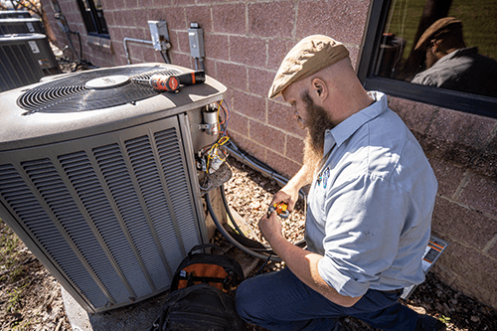
Technician repairing air conditioning unit with tools, showcasing HVAC expertise by Acosta Heating, Cooling & Electrical.

Charlotte, NC, has a truly enviable cold season. While outside temperatures do get low, they rarely remain below freezing for any length of time. However, this doesn’t mean that your HVAC system isn’t at risk of experiencing some seasonal stress. Although moderate, the winter weather can still be cruel. To keep your heating and cooling equipment duly protected and performing like it should, the following are 10 effective strategies to employ:

1. Schedule a Heater Tune-Up

From December to February, average daytime highs in Charlotte are usually in the 50-degree Fahrenheit range. At night, outside temperatures tend to hang steady at or just above freezing. All things considered, you’ll definitely need your furnace for day-to-day comfort. In the event of a sudden temperature drop, having a functional heating system will also prevent your pipes from freezing.

The best way to keep your furnace or heat pump running reliably and efficiently is by scheduling a pre-season tune-up. During these services, we:

Test and calibrate all thermostats

Clean air registers, vents, and grilles

Perform voltage and current checks

Lubricate moving parts

Clean furnace burners and heat exchangers

We also swap out worn bearings, check for and tighten loose electrical connections, adjust the tension on fan belts, and inspect furnace venting systems.

2. Raise Your Thermostat Setting

One easy way to limit the amount of work that your furnace has to do is by raising your thermostat setting by just one to three degrees. This adjustment won’t greatly affect your indoor comfort, but it will have a remarkable impact on your home energy bills. 

According to the United States Department of Energy (DOE), over an eight-hour stretch, you may be able to shave as much as 1% off your energy bill for each degree of thermostat adjustment. A slightly higher thermostat setting will mean fewer and shorter heating cycles for your heater. This translates to less cumulative wear and fewer stress-related repair issues.

3. Check for Closed HVAC Air Vents

Some people prefer the crisp temperatures of winter and hate the way heating systems dry out both building interiors and their nasal passages. As such, there could be a few residents who have closed some of the HVAC air vents in their homes. Unfortunately, extended vent closures can cause a substantial buildup of air pressure within HVAC ducting. As airflow through HVAC systems declines, furnaces can overheat and stop working.

If certain rooms throughout your home tend to be hotter than others, consider scheduling air-balancing services. Air balancing is a series of adjustments to HVAC air duct dampers and vents that help furnaces establish uniform temperatures throughout their entire service areas.

If building residents have dramatically different temperature preferences, having your HVAC system zoned for customized air delivery is the better choice. Zoning incorporates a central control system, bypass ducts, and internal duct dampers so that people can independently control the temperatures in their own rooms. With zoning, vent closures don’t cause undue system stress. Zoning also eliminates the need to heat spaces that no one is using.

4. Stock up on HVAC Air Filters and Establish the Right Filter Change Schedule

Neglected filter changes are easily the most common cause of heater problems throughout the cold season. You should always inspect your HVAC air filters once each month, replacing them every 30 to 90 days. 

To ensure that you always have fresh filters on hand, stock up on these components before the cold weather arrives. If you have indoor pets, residents with chronic respiratory issues, or other ongoing indoor air quality (IAQ) concerns, you’ll always want to have clean air filters on hand. 

5. Choose the Right Thermostat Location

In winter, many homeowners fire up a number of heat-generating appliances. Whether you have a new fireplace insert or a larger and higher-performing oven, the placement of these recent additions could impact the functionality of your thermostat. 

If your home has a single thermostat that controls the delivery of heated air for the entire building, it should be in a neutral, central location. The residual heat from ovens, fireplaces, and clothes dryers could impact its ability to provide accurate temperature readings. By scheduling a pre-season furnace tune-up, you can have your thermostat strategically repositioned before cooler temperatures arrive. 

6. Compare Your Energy Bills

Among the many telltale signs of heater problems are significant and inexplicable increases in your home energy bills. Even if your furnace, heat pump, or boiler isn’t exhibiting any glaring symptoms, you can use your past energy bills to spot problems and schedule repairs before things spiral out of control. Each month, when your new energy bill comes in, take a look at your energy bill from the same month last year to check for changes. 

7. Maintain Your HVAC Air Vents

Even a single delayed filter change can leave you with dirty air registers, vents, and grilles throughout your home. When thick accumulations of particulates become too heavy in these areas, they can inhibit airflow throughout the entire HVAC system. This could lead to a substantial increase in indoor humidity, poor heater performance, overheating, and a lower IAQ. You can use a damp cloth to wipe these features down. You can also unscrew HVAC vent covers and carefully vacuum behind them.

8. Protect Your Outside AC or Heat Pump Condenser Unit

Frosty temperatures and heavy precipitation can wreak havoc on your air conditioning system’s outside condenser. While covering this unit and keeping it covered throughout the entire winter season isn’t always necessary, you should take steps to protect it.

Start by removing leaves, twigs, and other organic debris from around its perimeter. Then, limb any trees that tower over the condenser unit to minimize the likelihood of damage caused by falling branches. When the risk of dropping icicles or heavy snow loads is severe, it can even be beneficial to install a simple, open-walled shelter.

9. Establish a Solid Pest Management Plan

During the winter months, mice, rats, raccoons, and other pests are looking for a warm place to hide. You can keep them from taking up residence in your HVAC system by eliminating all points of access and having them sealed off.

10. Have Your HVAC Air Ducts Sealed and Insulated

Ducted HVAC systems can lose as much as 40% of their efficiency through ductwork. To minimize these efficiency losses, have your HVAC air ducts professionally insulated and sealed. It’s also important to have the integrity of your air ducts regularly inspected and to replace these features approximately every 15 years.

[company_name] has been helping residents of Charlotte, NC, maintain warm, comfortable homes all winter long since 1973. We offer heating and cooling system installation, repair, and maintenance services. You can also turn to us for EV charger installation, electrical panel repairs, surge protection, and backup generators. To find out more or to schedule an appointment, contact [company_name] today.

HVAC Tips For The Holiday Season

Decorated Christmas tree with lights and festive garland, creating a warm holiday atmosphere in a cozy home setting.

The holidays in Charlotte are full of wonder and joy, so you do not want an issue with your HVAC system to derail your celebrations. As you progress through the season, there are several things you can do to keep your system running smoothly. Just tackling some basic chores and being diligent will help to reduce the risk that you have an HVAC issue when you are busy with your friends and family.

Schedule Routine HVAC Maintenance

Before the holiday season begins, contact an HVAC professional and have them perform maintenance and do a thorough inspection. Since the holidays often bring with them more guests, your home usually has to deal with more pet dander, dust, and other airborne particles. This can clog up the filter faster, reducing your system’s efficiency and making it work harder, which can wear out the components. 

A professional will start by checking your system and letting you know of any needed replacements or repairs. They will also give the components a full cleaning and replace the filters. A professional can show you how to check your filter so that you know when to replace it. If your home is busy during the holidays, you might need to replace it more often to prevent dealing with a clogged filter. 

Consider Your Thermostat Settings

Your schedule likely changes during the holiday season due to seasonal obligations and festivities. When you have a lot of people over, you can lower the temperature a couple degrees since more bodies in your house will compensate and still keep everyone warm. When no one is home, you can turn down the temperature to save on energy, too. 

You might consider discussing a programmable thermostat with an HVAC professional. These thermostats allow you to pre-program temperature changes so that you do not forget to make them. This helps to save energy and give your system a bit of a break during certain times of the day.

Take Advantage of Ceiling Fans

During the winter months, turn your ceiling fan to the reverse setting. Use a low speed to help push the warm air throughout the space. This helps your house feel warmer without needing to increase the temperature. You can even reduce the temperature a few degrees and the ceiling fan will compensate and still keep your home comfortable. 

Before you reverse the direction of your ceiling fan, take a few minutes to wipe off the blades. Dust can accumulate on them, and then, when you reverse the direction your fan spins, any loose dust can fly off the blades and make a mess. 

Insulate and Seal Leaks

Insulating and sealing leaks is vital to keep your home comfortable without having to crank up your HVAC system. Take a minute to walk around your house, and check your doors and windows to see if there are any drafts. Sealing these drafts with caulking or weatherstripping keeps your heat in and the cold out so that your home’s temperature is more stable.

A professional can inspect your property to see if you need to replace or repair your home’s insulation. They will look at your walls, floors, and attic to see if there are any insulation issues. With proper insulation, there is less heat loss, so your house is warmer no matter how cold it gets outside. 

It is best to have a professional deal with insulating and sealing. This will ensure that they do the job properly so that you get the most benefit. 

Check Your Registers and Vents

One of the most common mistakes people make is accidentally blocking the registers and vents throughout their home. This is even more common during the holidays since you might bring up extra tables and seating to accommodate your guests.

Blocking the vents will disrupt airflow, resulting in uneven heating in your home. When you are moving furniture around, make sure that all of your registers and vents are clear so that the air can easily pump into your rooms. You also want to be mindful about the placement of your holiday decorations since it is common for them to get in the way of your registers and vents. 

Ensure Proper Ventilation

The more people you have in your home, the higher the risk of reduced air quality. You also have to consider that you are probably cooking a lot more and having people come in and out more frequently. If your ventilation is not adequate, this could lead to a significant reduction in your household’s indoor air quality. 

Improper ventilation may also increase the risk of mold growth due to moisture accumulation. Plus, odors will linger longer if you do not have good ventilation throughout your house. 

If you have any exhaust fans, have an HVAC professional inspect them before the holidays roll around. They will make sure that they are working properly and can give them a good cleaning. These help to keep your indoor air healthy by assisting with odor and moisture removal. You should have these fans in your bathrooms and kitchen. 

Consider Your Holiday Cooking

Extensive baking and cooking are a major part of the holiday season. Whenever you are cooking, you will increase the temperature inside of your home. This excess heat could put some additional strain on your HVAC system. 

When possible, try to do your baking and cooking during the late night or early morning when it is the coldest. You should also try to complete these tasks when there are fewer guests. All of this will help to minimize the temperature impact that cooking and baking have inside of your home. 

Mind Your Fireplace

A roaring fire is a great way to relax during the holidays, but you want to ensure that it is clean and that you use it properly. Ideally, you want to keep usage to times when you have fewer guests, everyone is relaxing, and no one is baking or cooking. 

When you are not using your fireplace, close the damper. This helps to reduce drafts and prevents the warm air inside of your house from escaping via the chimney.

If it has been a year or more, have a professional come in and inspect your fireplace. They will make sure everything is in good working order and ensure that it is clean and safe to use.

HVAC Professionals in Charlotte

The last thing you want to deal with during the holidays is an HVAC issue. Our team can help to maintain your Charlotte home’s HVAC system and provide additional advice on how to keep it going strong throughout the holidays. Once the festivities end, we also offer cooling services if you want to get a head start on preparing for the summer. We can even assist with a variety of electrical tasks throughout your house.

Call [company_name] in Charlotte today to learn more about how to keep your HVAC system healthy during the holidays.

What Are The Benefits Of A Home Services Maintenance Plan

Technician repairing air conditioning unit with tools, showcasing HVAC expertise by Acosta Heating, Cooling & Electrical.

Regular maintenance is vital to the effectiveness and longevity of your HVAC system. However, it is easy to forget about scheduling recommended maintenance sessions every spring and fall in the bustle of daily life. When you sign up for an HVAC maintenance plan with a reputable home services company, you can ensure the consistency of these twice-yearly appointments and reap other benefits as well. At a minimum, the typical HVAC maintenance plan includes a spring cooling system inspection, a fall heating system checkup, and the standard HVAC tune-up. However, there are a host of additional perks of consistent upkeep and preventative care from a knowledgeable technician. A look at some of the best advantages of having a plan in place can ensure that you ask the right questions and serve as a checklist for your main home service needs.

Improved Energy Efficiency of Your HVAC System

Equipment and components that are well-maintained run at peak efficiency and consume less energy. During a maintenance visit, the technician fine-tunes the components of your system. This helps your HVAC unit use less energy to perform the same amount of work. Comprehensive maintenance can reduce energy usage for heating and cooling anywhere from 20% to 50%. A home services plan is well worth the investment in terms of potential financial savings over the course of the year. 

Safer Operation of Your HVAC System

Maintenance plans also allow trained technicians to check your system for any safety hazards. For example, the technician may check critical components like electrical wires for signs of fraying or damage. In addition, the technician may also check the fuel burner for signs of debris or obstruction. Other tasks can include checking to ensure the heat exchanger is intact, as well as testing gas lines for leaks or pressure issues. 

By identifying problems in advance, HVAC maintenance helps reduce the risks of sudden emergencies like electrical fires. Similarly, preventing heat exchanger or burner problems can help prevent carbon monoxide leaks. Prolonged exposure to carbon monoxide can cause serious illness or death. Regular maintenance can help to prevent this problem from arising.

Fewer Breakdowns or HVAC System Failures

Home services maintenance offers a great way to prevent system breakdowns or premature failures. According to the U.S. Department of Energy’s Office of Energy Efficiency & Renewable Energy, the lifespan of an HVAC unit ranges from 15 to 20 years. However, frequent breakdowns can shorten this life expectancy. 

For example, debris buildup within ducts can cause your system to work harder to deliver conditioned air to your home. This extra work can increase the wear and tear on your system, thereby shortening its lifespan and requiring a premature replacement. Since the cost of replacing an entire HVAC system can exceed $10,000, it is much more practical to sign up for a maintenance plan and keep your existing system in great working order for as long as possible. 

Improved Air Quality

Signing up for a home services maintenance plan can also go a long way to improve indoor air quality. According to the Environmental Protection Agency (EPA), adults and adolescents in the United States spend up to 90% of their time indoors. Unfortunately, contaminants like dust, dirt, and pet dander often circulate within indoor spaces. These pollutants can act as allergens that exacerbate respiratory problems and negatively impact quality of life. As the World Health Organization (WHO) puts it, indoor air pollution is among the world’s greatest environmental health risks. 

Fortunately, a maintenance technician can play a key role in improving home air quality. This technician can professionally clean fan motors, coils, and other components to stop harmful particles from circulating throughout rooms. If your household needs additional help, an HVAC technician can install a whole-home air purifier to trap unwanted particles. 

Manufacturer Warranty Compliance

HVAC systems often come with warranties that cover various components for a specified period. However, many warranty programs require proof of regular maintenance to retain coverage for replacement and repairs. Failure to implement regular maintenance can render the warranty null and void, creating a financial burden exactly when you need help most. Rather than risk losing coverage, you can help keep your warranty intact with a home services maintenance plan. This is a convenient way to ensure a record of compliance so that manufacturers can continue to regard your warranty as valid. 

Prioritized Care From the Home Services Company

One of the top benefits of a home services plan is the ability to receive priority in scheduling maintenance regardless of the time of year. Problems with a house’s heating or cooling system often occur at the height of a season when temperatures are at their harshest. These harsh conditions often put equipment under increased pressure or strain. But with a maintenance plan in place, you can ensure ongoing service and never need to wait on a backlist for system diagnoses or repairs. Since the home services company is already familiar with your home, a technician can often identify the root cause more quickly than an outsider who does not have a solid history of services rendered. In addition, some home services companies also offer preferred customer discounts on repair costs, system upgrades, or new equipment purchases associated with existing maintenance plans. 

Negative Consequences of Skipping HVAC Maintenance

There are numerous benefits to signing up for a home services maintenance plan. Unfortunately, skipping out on such a plan can create negative factors that eventually add up. These problems include leaks, corrosion, and debris buildup that can wreak havoc on heating and cooling systems. 

Leaks

An HVAC system contains a complex network of pipes, drain lines, and connectors. With time, any of these components can develop leaks. While the leak may not appear obvious to a homeowner, this occurrence causes your units to work harder and can quickly escalate into damage that shuts the entire system down. Fortunately, HVAC experts can help detect and repair leaks. These professionals can check everything from the refrigerant line to the AC condensate line to ensure your units stay intact. 

Corrosion

HVAC systems are unique in that they contain metal components that are often subject to moisture exposure. This exposure to moisture can cause the atoms on the surface of the metal to oxidize, resulting in corrosion. HVAC parts that are most susceptible to corrosion include wiring and coils. When these parts corrode, the heating and cooling cycle can turn on and off intermittently or stop working completely. 

Dirt andDebris

Contaminants like mold, mildew, dust, or debris are also negative consequences of a poorly maintained system. Since most HVAC units have outdoor components, the system itself is vulnerable to pollutants that come from the outside. These contaminants can eventually settle on working parts, causing them to strain and eventually malfunction. Routine maintenance can help keep hard-to-reach areas clean so your system can continue working without disruption. 

Contact Us Today

A home services maintenance plan can provide a comprehensive strategy for protecting your heating and cooling network. Choosing the right HVAC maintenance plan does not have to be complicated. [company_name] offers top-notch plans for homes in Charlotte, NC and surrounding areas. We provide maintenance plans for air conditioners, furnaces, heat pumps, and electrical panels. In addition, we also offer installation and repair and indoor air quality solutions. Contact [company_name] today for an all-inclusive plan that best fits your household’s needs.

The Ultimate Guide to Commercial HVAC Maintenance Plans

Technician repairing air conditioning unit with tools, showcasing HVAC expertise by Acosta Heating, Cooling & Electrical.

Just like a residential heating and cooling system, your commercial HVAC system will benefit from regular maintenance. The smartest way to handle your routine maintenance needs is to join an HVAC maintenance plan from [company_name] in Charlotte. Your membership will include a variety of perks to help you keep your heating and cooling units in great shape throughout the year.

Annual Maintenance

You want your customers and employees to be comfortable in your building. A well-running heating and cooling system can help you achieve your goal. For optimum performance, you’ll need regular HVAC maintenance.

Every air conditioner, whether residential or commercial, can benefit from a spring tune-up. You’ll want to schedule this visit before you start using your AC on an everyday basis. Our technicians will visit your property to clean and inspect your cooling system. We’ll get your units ready for the season and make sure that everything is operating just right.

Your commercial facility can benefit from a second tune-up in the fall. This one will be to look at your heating system. We’ll do many tasks similar to those that we took care of for your air conditioner in the spring. This visit can improve the efficiency, longevity, and safety of your system.

Common tune-up steps include:

  • Clearing out any dust
  • Checking the filter
  • Lubricating the bearings
  • Retightening the electrical connections
  • Testing the thermostat
  • Unclogging the drain lines

While twice-annual maintenance should be a top priority for facility managers and business owners, it’s easy to let this responsibility fall by the wayside. That’s a great reason to join the Acosta Club from [company_name] in Charlotte. Your membership fee covers two maintenance visits per year. You may be more likely to follow through with scheduling tune-ups when you know that you’ve already paid for the appointments.

Environmental Protection

Businesses have a social responsibility to minimize their impact on the environment. Keeping up with HVAC maintenance is one way that you can protect the planet as you go about your everyday work.

All heating and cooling systems use energy, but they don’t all do so to the same extent. The more efficient your commercial HVAC system is, the less energy it will demand. Annual maintenance visits will improve this efficiency.

Cleaning your units is included in our technicians’ tune-up services. We’ll remove dust and debris, and we can replace the filter as well. Those steps will improve your furnace or air conditioner’s ability to easily move air through the system. Its energy efficiency will improve as a result.

Lubricating the moving parts may be included in your tune-up too. Oil reduces energy-sucking friction, so the system will be able to operate without as much energy input.

Annual heating and cooling maintenance is an easy way for your company to care for the environment. Plus, you’ll directly benefit from the improved efficiency. As your power demands decrease, so, too, may your company’s utility bills.

Better Indoor Air Quality

Your employees deserve to breathe high-quality indoor air. Not only that, but clean air may improve your team’s productivity. The more allergens your workers are exposed to, the more likely it is that they’ll develop respiratory symptoms that keep them home from work. For a team that’s feeling great and ready to work, make air quality a priority.

Plus, the clients or customers who visit you will prefer a healthy environment. They don’t want to feel stuffy or sniffly after a trip to your business. While good air quality might not be something that most visitors will readily identify about your business, they’ll certainly take notice if the air quality is unpleasant.

The maintenance services included in your Acosta Plan membership can do wonders for your indoor air quality. When your system benefits from regular cleanings, less dust and other allergens as well as fewer mold spores will be picked up by the air moving through your ducts. Frequent filter changes can also improve how effective your HVAC units are at pulling contaminants out of the air. As a result, your workers and your customers will have cleaner air to breathe.

Longer Life

Commercial HVAC units do a lot of work. Every day, they fill large buildings with climate-controlled air. That’s a big job, and it can put a great deal of wear on the system.

While there’s no way to get your furnace and air conditioner to last forever, there are steps that you can take to preserve your units for as long as possible. Annual maintenance is near the top of the list.

Regularly cleaning and oiling the system protects against daily wear and tear and reduces damage. The parts are less likely to give out prematurely.

Plus, maintenance visits help our technicians detect repair concerns early. When we catch problems right away, we can implement a speedy fix that keeps your system up and running. If you don’t deal with repairs while they’re still small, you could end up with a major project on your hands. You might decide that it’s more sensible to install a new unit than to pay a hefty repair bill.

Priority Service

No matter how careful you are about keeping up with an annual maintenance schedule, your system may require some repairs every now and then. As an Acosta Club member, you can rest easy when that happens. You’ll be able to trust that [company_name] is looking out for you.

The customers who belong to our maintenance plan receive priority scheduling. We’ll get to your property as soon as possible to take care of your repair needs.

Uncomfortable temperatures during an HVAC breakdown can affect your business. Customers may avoid visiting a facility that feels too hot or too cold. The sooner you can get your building back to your preferred temperature, the better. When you belong to our membership plan, you can rest assured that we’ll do everything in our power to get your system up and running again in no time.

Repair Discounts

When repair situations arise, priority scheduling won’t be the only membership advantage that you’ll appreciate. You’ll receive a discount on your service as well. Our commercial Acosta Plan members save 15% on their HVAC repair bills.

Unexpected service bills can be a hit to your company’s bottom line, especially if you’re a smaller business. This discount can make HVAC repairs more affordable. You may be less likely to put off necessary repairs for fear of the cost. Instead, you can schedule your service and get your system back in excellent shape. In some situations, the repair discount alone is enough to cover the annual cost of your membership.

[company_name] provides heating and cooling services, including repairs, installations, and maintenance to both residential and commercial customers. We offer electrical care, including electrical panel repairs and lighting installations, as well. In business for over 50 years, [company_name] is firmly committed to the local community. We aim to build a great reputation among our customers, and we prioritize community involvement as well. Whether you need residential or commercial heating, cooling, or electrical services, we hope you’ll turn to our experienced team. Call today to learn more about commercial maintenance plans and additional services from [company_name] in Charlotte!

Can Furnaces Run Without Filters?

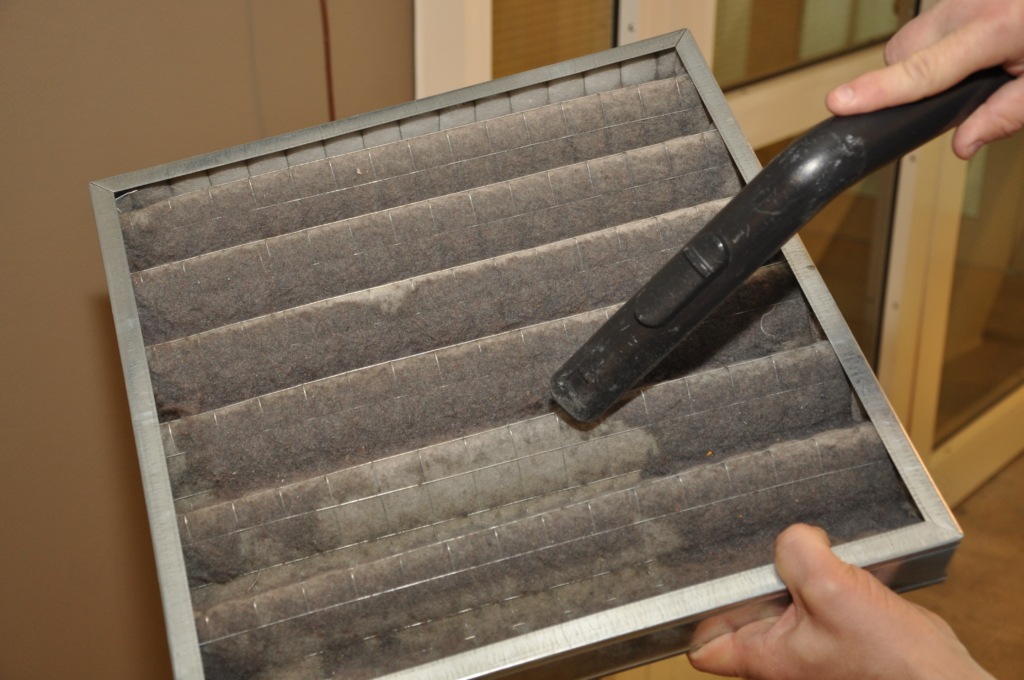
Furnace filter being cleaned with a vacuum, highlighting its importance in maintaining air quality and furnace efficiency for home heating systems.

Updated: October 2023

A furnace filter may seem like an insignificant, not-all-that-necessary thing, but the filter is actually a critical part of keeping your furnace operating. Furthermore, keeping a furnace filter in your system is going to keep your air quality at a healthy level.

In need of furnace services in the Charlotte metro area? Call Acosta Heating, Cooling & Electrical today at [phone] or contact us online!

Here’s what you need to know about operating your furnace without a filter in place:

A Look at the Purpose of a Furnace Filter

A furnace filter is a simple thing, but it serves several different purposes. Air is funneled through the filter before it is sent through the furnace and out into your home. Filters are created of tightly woven materials that grab hold of any contaminant and particle as it passes through the system, which means those contaminants are saved from entering the inside of your furnace as well as the inside of your home. If the filter is clogged, it can cause problems with:

  • Higher-than-usual heating bills
  • Lowered air quality
  • Your furnace operating internally at a higher temperature
  • More instances of repairs

Your furnace filter should be replaced when it’s visibly soiled or when you’re getting an alert on the thermostat that the filter should be changed. Locate the filter on your unit and replace it with the proper size to fit your furnace.

Think you might need a new furnace filter? Acosta offers annual maintenance plans that include furnace checkups and a new filter every year. Call us for more information.

What You Should Know About Running Your Furnace Without a Filter

If something happens and you have to pull your filter out for the day or even a day or two, it’s probably not going to cause major problems right away. However, it’s never a good idea to leave the filter out of your furnace for any longer than that. Doing so will quickly cause the indoor air quality in the house to deteriorate. Plus, your furnace could collect enough dust and contaminants that it leads to repair and maintenance.

Noticing worse than usual air quality in your home? Call the experts at Acosta to check and replace your furnace filter for you.

Furnaces Without Filters in Charlotte, NC

In general, even though the furnace will still function without the filter, it’s not operating in the proper way that the manufacturer intended. If you need help replacing a filter or tending to problems because of not using a filter, reach out to us at Acosta Heating, Cooling & Electrical in North Carolina for expert advice.

How Often Should My Furnace be Replaced?

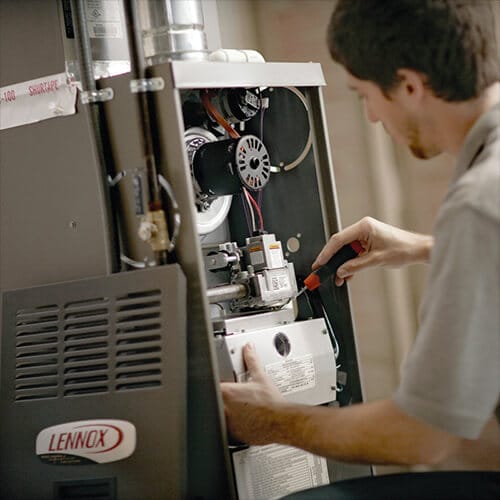
Technician repairing a Lennox furnace, showcasing internal components and tools at Acosta Heating, Cooling & Electrical.As the days start to cool and night temperatures plummet, the furnace does its job and goes unnoticed. But, if your furnace goes out during the time you need it most, you realize quickly how much it provides comfort and safety for you in your home. Replacing any large appliance or part in the home is best faced with some planning. Saving ahead when you know your furnace is on its last leg can really help you feel prepared for the replacement. So, how do you know when to replace a furnace?
The Furnace Is Getting Old

Nothing lasts forever and this holds true for furnaces. Most furnaces realistically last you 10-15 years. If you take great care of your furnace with filter changes and regularly scheduled maintenance, you might be able to make it last as long as 20 years. While you should care for your furnace to help extend its life, you may find that a newer model will save you enough money to be worth replacing early.

The Furnace Costs Too Much to Fix

When your furnace starts to get old, it gets less and less worth making repairs. On a newer furnace, you might spend up to 50% of a replacement cost on repairs before you would consider just putting in a new furnace. But on an older model, you wouldn’t want to spend $200 on something that is costing you money to run and only has a few years left at best.

The Furnace Costs Too Much to Run

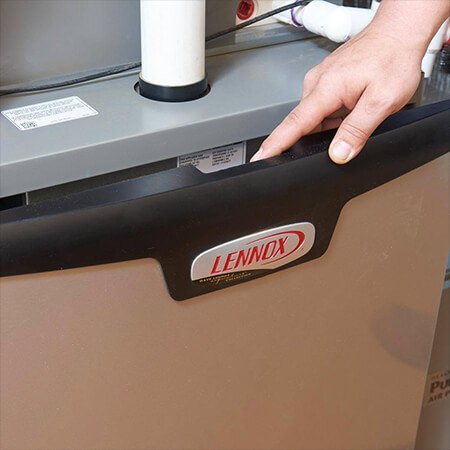
Lennox HVAC unit with access panel, showing inspection by Acosta Heating, Cooling & Electrical professional.The older models of furnaces are far less efficient than your newer options. You can figure out how much your cost savings will be by checking what efficiency rating your current furnace has. Older models can easily waste upwards of 40% of the gas they pull – leaving you with higher bills and wasting resources. Newer models can be 90-95% efficient and will require less gas each month. If you were changing from a 50% AFUE efficiency furnace to a 95% furnace, you would be saving nearly half your heating bill each month.

Furnace Replacement in Charlotte, NC

Are you looking for regular maintenance for your furnace, need a repair or want to start planning for a new one and live in the Charlotte area? We can help you at Acosta Heating, Cooling & Electrical, so contact us today!