What is The Lifespan of a Ductless HVAC System

What Is The Lifespan Of A Ductless HVAC System

Also called a mini-split, a ductless HVAC system is a system professionals install more and more throughout Charlotte. You can use this type of system for both cooling and heating, depending on what you need at the moment to make your home more comfortable. These systems tend to be flexible and energy efficient, giving you another option to consider for your home’s temperature control. Learn more about their longevity to help decide if it is the right system for your residence.

The Operation of Ductless HVAC Systems

There are two primary components of a ductless HVAC system: an outdoor condenser unit and an indoor evaporator unit. Electrical wiring, refrigerant lines, and a housing conduit connect these two units.

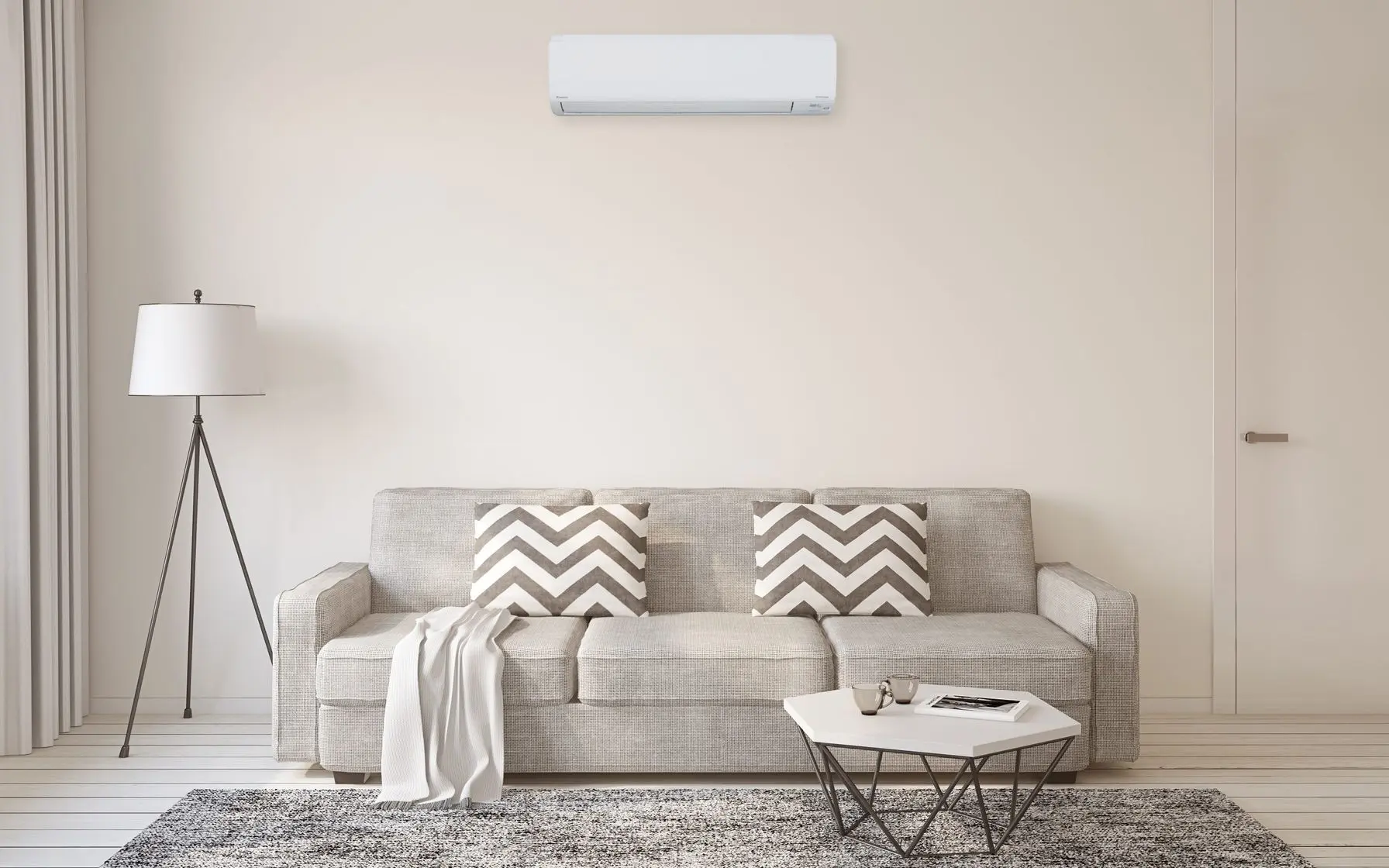
Professionals will generally mount the indoor unit on the ceiling or high up on a wall. This will provide warm or cool air to the room you place the unit in. The outdoor unit works to exchange heat with the indoor environment.

There are several advantages associated with having this type of HVAC system in your home. It tends to be energy efficient. Since it does not have any ductwork, there is no heat or AC loss in the duct network. The lack of ductwork also makes it easier to install compared to a traditional HVAC system.

This kind of system is flexible, and you can install one in various settings. The lack of ductwork makes it suitable for installation in a garage apartment, a workshop, a new room addition, or the restoration of a historic home.

Since you can have a separate indoor unit in any location, this type of system allows for zoning. Consequently, the greater control helps you reduce energy waste. If one family member prefers a cooler room, but the nursery for the baby should be kept warm, you can accommodate both, and it’s easy to do. What’s more, if a particular room is unoccupied, you can turn off the equipment in that area to save on the expense of cooling or heating.

Typical Ductless HVAC System Life Span

Several factors influence the life span of your ductless HVAC system. When you maintain your system well, you can expect it to last approximately 15 to 20 years. 

The system’s overall quality affects its longevity. Choose a system from a reputable manufacturer so that you know the build is sturdy and the components are high in quality. This will contribute to it holding up longer. Consult with a professional in order to choose a system that will withstand wear and tear, especially if you intend to use it all year for both cooling and heating. In addition, it must be the right size for the space.

You’ll also want experienced professionals to install your system. With proper installation, your equipment will last longer and have fewer problems over the years. Improper installation can increase the risk of a variety of issues such as insufficient airflow and inefficient operation.

Always keep up with the routine maintenance. You can talk to an HVAC professional to determine the best maintenance schedule. They will replace the filters, do the necessary cleaning, check the components, and keep an eye on the refrigerant level. All of this will have a positive influence on your system’s life expectancy. If you neglect to have routine maintenance performed, this could cause the system to experience premature wear and tear.

How you use your system also plays a role in how long it lasts. When you use the system seasonally, it tends to last longer than a system that provides both cooling and heating and is in use throughout the year.

Environmental conditions and the climate where you live have an impact on the life span of the system as well. Extreme temperatures and poor air quality can both reduce the system’s useful life. For example, compared to areas further from the ocean, coastal air may cause premature outdoor unit corrosion due to the high content of salt in the environment.

Increasing the System’s Life Span

The right maintenance and usage can help to increase how long your equipment lasts. When you keep an eye on the system and are mindful of its needs, it will be easier to keep it going and notice issues when they arise. This is important because fixing something as soon as it goes bad can also help your system last longer.

When it comes to usage, only select the temperature you need to stay comfortable. Setting the device to very cold or hot temperatures can cause the internal components to wear out faster. When you are not home, adjust the settings a few degrees to reduce the workload on the system. Then, when you do get home, you can set it at the desired temperature. It will not take too long for your room to cool or heat to your liking. A programmable thermostat can help you to achieve this regulated schedule more easily and more accurately. An HVAC professional can advise you on how to optimize your temperature settings.

Insulating your home properly and sealing gaps will not only save you money on your utility bills but also save your HVAC equipment from overworking. It’s worth it to have a professional inspect your insulation.

A surge protector can also help to protect your system. An electrician can install this for you. Once installed, the device will shield the sensitive components inside your system from damage if an electrical surge occurs.

Make sure that the outdoor unit has adequate protection from the elements. You want to clear debris when you see it and keep the landscaping trimmed back.

Routine maintenance is something you’ll want a professional to do. They’ll start by inspecting your system to determine if any component requires fixing or replacing. Once they complete this step, they will look at the filters in the system. A clean filter ensures that there is less strain on the equipment by promoting proper airflow. They will clean the outdoor unit and all of the indoor units. Removing dust and debris will help your system to run optimally.

In addition, they’ll tighten electrical connections, lubricate moving parts, and inspect safety mechanisms. The technician will also check the refrigerant level in your system. This is especially important if you notice a reduction in your system’s cooling or heating performance. Low refrigerant can shorten the system’s life span by putting excess strain on the compressor.

HVAC Experts in Charlotte

Learning more about a ductless HVAC system in Charlotte makes it easier to determine if it is the right choice for your home. Our experts know what it takes to help you with everything from the installation to annual maintenance. Of course, we can also extend the life of your equipment by performing repairs when needed. Once we get your system up and running, our team of professionals is here to assist you with these and any other HVAC needs you may have. We offer a complete range of electrical services as well.

Call us at Acosta Heating, Cooling, & Electrical in Charlotte today to talk more about your ductless HVAC system.

The Advantages of Ductless Air Conditioning

Split ductless air conditioning is a good way to add air conditioning to multiple rooms without having to install ductwork and open up drywall. Ductless air conditioning systems have an exterior condenser and an indoor evaporator unit that holds the coil and a fan.

Bringing a ductless air conditioner in your home is an affordable alternative to central heating, ventilating, and air conditioning (HVAC) systems, which need a network of ducts to move. Ductless air conditioning is also more efficient and much easier to maintain.

If you do not have a central air conditioning system yet, the ductless air conditioning system may be the best solution for you. Here are a few of the benefits of ductless air conditioners:

  • Quiet and discreet – Most air conditioners are noisy; these offer a much quieter alternative that won’t disrupt the mood of a room.
  • Ease of operation – Most ductless air conditioners come with remote controls to allow you to easily control the temperature of every room inside your home.
  • Small size – They are small and won’t take up much space in your home.
  • Easy to install – Without the necessary ductwork and central air unit, these air conditioners can be installed in one day rather than taking over a week with many regular air conditioners.
  • Cost-effectiveness – Air conditioners without ducts use a lot less energy than regular air conditioners, saving you money on your utilities. If you use multiple ductless air conditioning units, you get the added cost savings of being able to adjust the temperature of each room according to your needs. If you only want your bedroom cooled during the night, you don’t have to pay for cooling the whole house.

If Space Is a Priority in Your Home, Mini-Split Air Conditioning May Be the Way to Go

Having the correct air conditioning system in your home greatly improves your quality of life. However, when you’re in the market to buy one, there are many variables to be taken into account. Because buying an air conditioner isn’t something you do every day, the procedure can be quite daunting.

You might think that one air conditioning system is exactly like the next, but there are significant differences between the various systems. When making a choice, you’ll want to be sure that the system you buy is large enough for your home, but not so large that it inflates your energy costs unnecessarily.

If space in your home is at a premium, or if you have a fairly small area to cool, a ductless split air conditioning system may be the best choice. Known as mini-splits, they comprise an indoor unit that can be placed on the wall of an individual room, and an outdoor compressor.

The indoor unit is linked to the compressor by a refrigerant line that supplies it with coolant. Installation is a lot less invasive than the ducted systems utilized by other larger types of air conditioning set-ups. This means that mini-splits can fit into smaller spaces than a lot of traditional air conditioners.

In addition, the indoor units of mini-split air conditioners each have their own thermostat, so the temperature can be controlled in each individual room. The different people in your household can choose the temperature they prefer. Mini-split air conditioning is also cost-effective because you do not have to cool the entire home.

A Ductless Mini-Split Air Conditioning System Can Do a Mighty Big Job!

Ductless mini-split air conditioning systems offer you a space-saving alternative to large conventional heat pumps, air conditioners and furnaces. If mini-splits are properly sized for your home, they are just as effective and powerful as larger units that involve bulky networks of ducts to deliver air conditioning around homes.

A central outdoor unit is the main controller of a ductless mini-split air conditioning system. You can attach as many as four smaller units to it through a wall conduit. The great thing about mini-splits is that, when deciding where to put them, you’re not hindered by duct arrangements.

This means you can focus on cooling and heating rooms or spaces that are used often, leaving those that are used less frequently with no air conditioning. All four of the air-handling units can operate separately, thereby reducing overall energy use.

Mini-splits are extremely energy-efficient. They reduce the energy that’s often lost with ducted air conditioning. They also help improve the quality of indoor air. No air is circulated through ducts, so there are fewer airborne contaminants and particles in your air. This cuts down on the aggravation of allergies and respiratory problems like asthma.

Small mini-splits give you numerous options for room design and arrangement because they can be positioned almost anywhere, and even incorporated into a room’s design.

The initial expense of a ductless mini-split system is about 30 percent more than central cooling and heating systems – and twice more expensive than window air conditioners. But, the advantages and convenience of mini-split air conditioning easily justify the initial outlay.

Ductless Cooling: An Innovative Option When Your Choices Are Limited

If you have a space in your home that’s a challenge to cool, or if you’re going to add space, consider ductless cooling. These HVAC systems don’t require ducts to distribute the air. They use technology that simply moves the heat from your space outdoors. These systems, also called ductless mini splits, present some major advantages compared to other types of air conditioning systems because they offer energy efficiency, easy installation and flexibility.

Energy efficiency

Ductless mini splits must meet the same energy efficiency standards that air conditioners and heat pumps do. The SEER (seasonal energy efficiency ratio) has to be 13 minimum. Since ductless cooling goes directly into the room, the systems can be as much as 30 percent more efficient than central systems where the air is delivered through ducts. Duct leaks and temperature loss may occur in systems with ducts.

Easy installation

Not having to extend or install ducts makes installation fast. The ductless systems have two primary components: A condenser sits outside and an air handler inside. A conduit connects the two and carries the refrigerant, drainpipe, electrical wiring. The air handler (fan section) can sit on the floor or hang from a wall or even hung from the ceiling.

If you’d like more information about ductless cooling, contact us at Acosta Heating, Cooling & Electrical. We’ve provided HVAC services for the Charlotte area for more than 40 years.

The Ductless Mini Split: An Innovative Solution for a Unique Situation

A ductless mini split could be the solution to your home’s unique heating and cooling situation. One of its main advantages is that a mini split doesn’t require ductwork to operate, extending installation options beyond where ductwork is located and often minimizing costs, too.

There are several other distinct advantages to using a ductless mini split, including:

  • Flexible installation – You can install as many as four indoor air handlers, which gives you the ability to select four spaces to receive heating and cooling. A separate unit is installed outdoors, and a central conduit connects the indoor and outdoor units. The outdoor unit will need to accommodate drainage, but it can be located up to 50 feet away from the indoor units. To install the air handlers, your technician will need only to drill a small hole to run the conduit, requiring minimal adjustments and construction to your home.
  • Zoned heating and cooling – Each indoor air handler is controlled by its own thermostat, so you can effectively provide zoned heating and cooling to the spaces. With the ability to increase cooling, for instance, to a ductless mini split located in an enclosed porch, you can provide as much cooling as necessary to that space, without also increasing cooling to other spaces in your home—spaces that don’t need more cooling.
  • An efficient system – Heating and cooling systems that rely on forced air through ductwork are susceptible to high energy losses. Because ductless mini splits don’t rely on ductwork, you’ll get a more efficient heating and cooling process.
  • Lower installation costs – Extending and retrofitting ductwork is a costly endeavor, and mini splits bypass that cost. However, to ensure optimal results, you’ll want to hire an expert who’s familiar with mini splits, as their location and size will dictate efficiency and performance.

A ductless mini split is an efficient, flexible solution to your home heating and cooling needs. For more information, contact Acosta Heating, Cooling & Electrical, serving the Greater Charlotte area as a local, family-owned company since 1972.

The Ductless Mini-Split: A Heating and Cooling System That Does a Mighty Big Job

Ductless mini-split heating and cooling systems offer homeowners a space-saving alternative to larger conventional furnaces, air conditioners and heat pumps. When properly sized for your home, mini splits are just as powerful and effective as larger units that rely on a bulky network of ducts to distribute conditioned air around your home.

The main controller of a ductless mini-split system is the central outdoor unit. As many as four smaller air-handling units are attached to this unit through a conduit in your wall. When choosing where to put these units, you are not restricted by ductwork arrangements. You can focus heating or cooling in rooms or areas that are used more frequently, leaving rooms that are used less often unheated or uncooled. Each of the four air-handling units can be operated separately, which reduces overall energy use.

Mini-split systems are very energy efficient, reducing the energy loss that often occurs with ducted systems. Mini splits also help improve indoor air quality. With no air being circulated through ducts, there are fewer airborne particles and contaminants in your home’s air, which cuts down on respiratory issues and the aggravation of allergies or asthma.

The smaller mini-split units give you many options for room arrangement and design. They can be placed almost anywhere you want them. They can easily be incorporated into your room arrangements or simply tucked out of sight.

The initial purchase of a ductless mini-split system can be as much as 30 percent more expensive than central heating and cooling systems, and twice as much as traditional window air conditioners. However, the convenience and advantages of a mini-split system can easily justify a higher initial investment.

For 40 years, Acosta Heating, Cooling & Electrical has been providing professional heating and air conditioning services to customers in Charlotte and surrounding areas. Contact us today for more information on ductless mini-split heating and cooling systems and why one may be the best choice for your home comfort needs.

The Ductless Mini-Split: A Tidy Little Solution to Your Heating and Cooling Problem

It may have a funny name, but a ductless mini-split system can provide some serious benefits.

A ductless mini-split is any air conditioning or heat pump system that has one to four indoor heating or cooling units, but only one outdoor unit. Each indoor air handler is designed to heat or cool only one or two rooms, and is therefore much smaller than a typical whole-house unit.

Splitting the system into several units, and eliminating air ducts, produces benefits in several ways:

  • Easier installation. One problem with an air duct system is that it takes up a lot of space, and therefore can be difficult to install. A ductless mini-split system does not have ducts at all. In place of ducts, each air handler just needs to have a conduit, no more than three inches thick, to carry the refrigerant tubing and condensation drain. That conduit can be up to 50 feet long, which makes it easy to reach parts of the house, such as new additions, that would be too far away for air ducts to effectively keep comfortable.
  • Better temperature control. Though they all run off the same outdoor unit, the different air handlers can function independently of the other and each has its own thermostat. That gives you better control over temperature, because each room receives exactly the amount of heating or cooling required to keep it at a comfortable level.
  • Higher energy efficiency. Air ducts can waste a lot of energy, due to air leaks and a lack of insulation. Ductless systems have zero leaks, and since they are located inside the rooms, there is no loss of heating or cooling output. Plus, by utilizing programmable thermostats, you can save energy by cutting back on heating or cooling rooms that are not occupied for long stretches of the day.

To learn more about ductless mini-split options for your Charlotte-area home, contact us at Acosta Heating, Cooling & Electrical. We would be happy to answer your questions.