12 Ways To Prepare Your Home for Fall Comfort

12 Ways To Prepare Your Home for Fall Comfort

As fall approaches, it’s time to start thinking about how you’ll keep your home warm and comfortable. While you’re still enjoying the last days of summer, now is the perfect time to prepare your heating system for the cooler months ahead. Here are 12 essential steps to ensure your home is ready for comfort this fall and throughout the winter.

1. Change or Clean Your Air Filters
Start your HVAC preparation by checking your furnace filters to ensure they allow air to flow effectively. For central systems, ensure you have clean filters in place and replace them regularly. Most homes use 1- or 2-inch filters, which typically need changing every 30 to 90 days, depending on air quality and filter type. Ideally, check your filter every month. For ductless mini-split systems with washable filters, check them monthly and clean them every two weeks or more frequently if needed to prevent airflow restrictions.

2. Perform a Fall Cleaning
While spring cleaning is popular, fall is also an excellent time to deep clean your home. During summer, pollen and dust can accumulate, impacting indoor air quality. As you prepare to close up your home for winter, focus on deep cleaning floors and dusting to remove airborne contaminants that could cause issues during the colder months.

3. Inspect and Update Outlets and Switches
Take time to have your outdoor and indoor outlets and switches inspected and updated. Replace outdated outlets, especially in kitchens, bathrooms, and outdoor areas, with GFCI outlets for added safety. An electrician can test and replace broken outlets and switches or install a charging station for your new electric vehicle. Consider adding smart outlets and switches with voice activation and professionally installing outdoor outlets for heaters to extend the use of your backyard during cooler months.

4. Check Your Insulation
Your home’s climate zone dictates the recommended insulation levels, measured by R-value. The greater Charlotte area falls between zones 3 and 4, where attic insulation should be between R49 and R60. Inspect your insulation annually for signs of damage from water or rodents, even if it was previously sufficient.

5. Open and Clear HVAC Vents
To ensure your HVAC system effectively circulates air, keep all supply vents open and unobstructed. Maintain at least 6 inches of clearance around each supply vent. During your next maintenance visit, consult with your HVAC technician to determine proper clearances for both supply and return vents. Blocking vents can cause pressure imbalances, leading to reduced efficiency and comfort.

6. Schedule Fall HVAC Maintenance
Routine maintenance is essential to keep your HVAC system running efficiently. This includes cleaning the system, tightening electrical connections, and testing all components. Schedule maintenance with a qualified technician to avoid voiding your system’s warranty.

7. Prepare Your Outdoor Heat Pump Unit
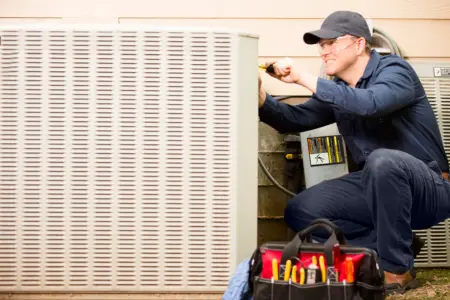
Heat pumps require proper clearance around the outdoor unit to function effectively. Maintain 24 inches of clearance around the unit and 5 feet above it for top-vented units. Regularly clear away weeds, grass, leaves, and any other obstructions.

8. Get Your Ceiling Fans Ready
Ceiling fans are crucial for maintaining comfort during cooler months. Clean the blades and set the fan to spin clockwise on a low setting to circulate warm air throughout the room, enhancing your heating system’s effectiveness.

9. Adjust Your Thermostat Settings
Optimize comfort and efficiency by adjusting your thermostat settings for the changing seasons. Use programmable thermostat settings to lower the temperature while you’re away from home, reducing the strain on your system.

10. Change Your Thermostat Batteries
Replace thermostat batteries once or twice a year to retain your settings during power outages and ensure proper function. A good habit is to change them when switching between heating and cooling seasons.

11. Replace an Aging Unit
As heating systems age, their efficiency gradually declines. Regular maintenance can extend their lifespan, but replacement becomes inevitable as efficiency decreases. Replacing an aging unit before it breaks down can save money and prevent mid-season breakdowns.

12. Fix Known Problems Early
Regular maintenance helps identify components that may not be functioning optimally. Address potential problems early to prevent more extensive issues and ensure your system remains reliable throughout the season.

Acosta Heating, Cooling & Electrical Technicians and Electricians Can Help
People in Charlotte have trusted Acosta Heating, Cooling & Electrical since 1972 to keep their homes comfortable. Our experienced team provides heating and AC maintenance, repair, and installation, including heat pumps, ductless mini-splits, and more. Call to schedule a fall maintenance or heating repair appointment with one of our expert technicians.
A Homeowner’s Guide to Autumn HVAC Maintenance Services

A Homeowner's Guide to Autumn HVAC Maintenance Services

As the leaves begin to change color and the cool breeze starts to set in, autumn is the ideal time to prepare your heating system for the long winter ahead. There are several key tasks you should complete to ensure your system gets the care it needs to last for years to come.

Schedule Professional Maintenance Service

The first step in preparing your heating system is to schedule professional maintenance. This service is essential for keeping your system’s warranty active and ensuring it runs efficiently. Professional maintenance can identify potential problems before they become major issues, giving you peace of mind that your heating system is ready for the colder months.

Change Air Filters

Fall is the perfect time to change your HVAC air filter. Dirty filters can restrict airflow, causing your system to work harder and wear out more quickly. It’s best to check your filters monthly and replace them every 1-3 months, depending on usage and the type of filter. Keeping spare filters on hand will ensure you’re always ready to replace them when needed.

Order Fuel

If your heating system runs on propane or heating oil, now is the time to fill your storage tank. Consider signing up for automatic fuel delivery so you don’t have to worry about running out on a cold winter day.

Check Smoke Detectors and Carbon Monoxide Detectors

If your heating system uses combustion to generate heat, it’s crucial to ensure your smoke and carbon monoxide detectors are working properly. Test the batteries in each detector and press the test button to confirm they’re operational. It’s a good idea to have detectors on every level of your home, especially near bedrooms. Replace any detectors over 10 years old, and install a fire extinguisher near your furnace for added safety.

Clear Space Around Your Furnace

Clear at least a 5-foot radius around your furnace before turning it on for the season. This will help your system function properly and reduce fire hazards. Keep in mind that specific clearance requirements can vary depending on your furnace model and local building codes.

Test Run and Program Your Thermostat

Run a test of your heating system before the cold weather hits. Set the temperature at least 5 degrees higher than the current room temperature to ensure your unit kicks on. Pay attention to any unusual noises or odors, noting that a burning smell is normal as dust burns off internal components.

Now is also a good time to program your thermostat. Consider upgrading to a smart thermostat for greater control over your home’s temperature and energy usage from your smartphone.

Ensure Vents Are Open

To ensure optimal performance, make sure all your vents are fully open. When running your heating system, check each supply vent for warm air and ensure both supply and return vents are unobstructed. Contrary to popular belief, closing vents in unused rooms can actually reduce system efficiency by disrupting airflow.

Close Up Your Outdoor AC Unit

Prepare your outdoor AC unit for winter by clearing away debris like leaves. Cover the top of the unit to prevent snow and debris from entering, but avoid using airtight materials that could trap moisture and cause damage.

Switch Ceiling Fan Directions

Ceiling fans can help circulate warm air throughout your home. Set your fans to spin clockwise during the winter to push warm air down from the ceiling, making your heating system more efficient.

Seal Off Unwanted Air Leaks

Check for air leaks around doors, windows, receptacles, and light switches, and seal any gaps with caulking, weather stripping, or foam inserts to keep drafts out and improve energy efficiency.

Trustworthy Heating Maintenance Service

Acosta Heating, Cooling & Electrical offers reliable maintenance services and plans to residents of Charlotte, NC, and surrounding areas. Our experienced comfort consultants are here to help with all your heating, cooling, and electrical needs.

Call our friendly team today to schedule your next service appointment!

5 Tips for HVAC Maintenance During High-Use Periods

5 Tips for HVAC Maintenance During High-Use Periods

In your Charlotte, NC, home, you probably rely more heavily on your HVAC system during certain months. For example, your AC unit likely sees heavy usage between May and September, and your heater runs frequently from November through February. During milder seasons, your HVAC system gets plenty of rest. However, in extreme weather, your system faces increased risk for equipment problems and decreased performance and efficiency.

Fortunately, you can maintain comfort and a healthy HVAC system with proactive care. Here are five effective ways to maintain your HVAC system during high-use seasons.

1. Regularly Schedule Professional Heating and Cooling Tune-Ups

Scheduling professional HVAC maintenance is the single most beneficial thing for your system. Expert technicians can tune up both your AC and heating systems at least once a year, ideally before their most demanding season. A tune-up includes a thorough inspection, replacement or repair of components, and preventive measures to avoid expensive repairs later.

2. Replace Your HVAC Air Filters

Regularly replacing your HVAC air filters keeps your system healthy and efficient. Clogged filters make your system work harder, decreasing efficiency and increasing the risk of breakdowns. Replace filters every 30 to 90 days, and check them before high-usage periods by holding them up to a light source. If you can’t see light through the filter, it needs replacing.

3. Clean Your Air Vents

Keeping your air vents clean improves HVAC performance. Dust and debris in vents can block airflow, reducing energy efficiency and causing mechanical problems. Before high-usage seasons, clean all air vents using a screwdriver and a vacuum cleaner with an extension hose. Consider a duct cleaning every few years.

4. Watch Your Monthly Energy Bills Closely

Monitor your monthly energy costs, especially during high-usage seasons. A sudden spike in energy costs without increased usage habits may indicate efficiency issues with your HVAC system. If you notice unexpected increases, schedule an inspection with Acosta Heating, Cooling & Electrical to determine if your system needs repairs or a tune-up.

5. Regularly Check for Air Leaks

Air leaks around your home can hamper your HVAC system. Even small leaks put unnecessary pressure on your system, reducing efficiency and shortening its lifespan. Periodically check for leaks around doors and windows, and use caulking and weather stripping to seal any you find.

Your Trusted Local HVAC Professionals in Charlotte

Acosta Heating, Cooling & Electrical has provided quality home comfort services to Charlotte-area residents since 1972. Our technicians offer maintenance, repairs, and installations for heating and air conditioning systems. We also provide a range of electrical services, including generator installation and repair, EV charger installation, wiring, and surge protector installation.

To learn more or schedule an appointment, contact Acosta Heating, Cooling & Electrical today!