What to Know About Choosing and Using HVAC Air Filters for Allergy Relief

How to Choose the Right HVAC Filters for Allergy Relief

Did you know that the air in your Charlotte, NC home could be up to five times more polluted than the air outdoors? According to the U.S. Environmental Protection Agency (EPA), this is due in large part to fuel-combusting appliances, off-gassing building materials, cleaning and tobacco products, and insufficient ventilation. However, for allergy sufferers, dust, dander, mold, and pollen remain the biggest concerns. The good news is that your HVAC air filter could be an important weapon in your fight against allergy symptoms. With the right filter, you can boost your indoor air quality (IAQ) and eliminate your most troublesome allergy triggers. 

Understanding the Role of HVAC Air Filters in IAQ

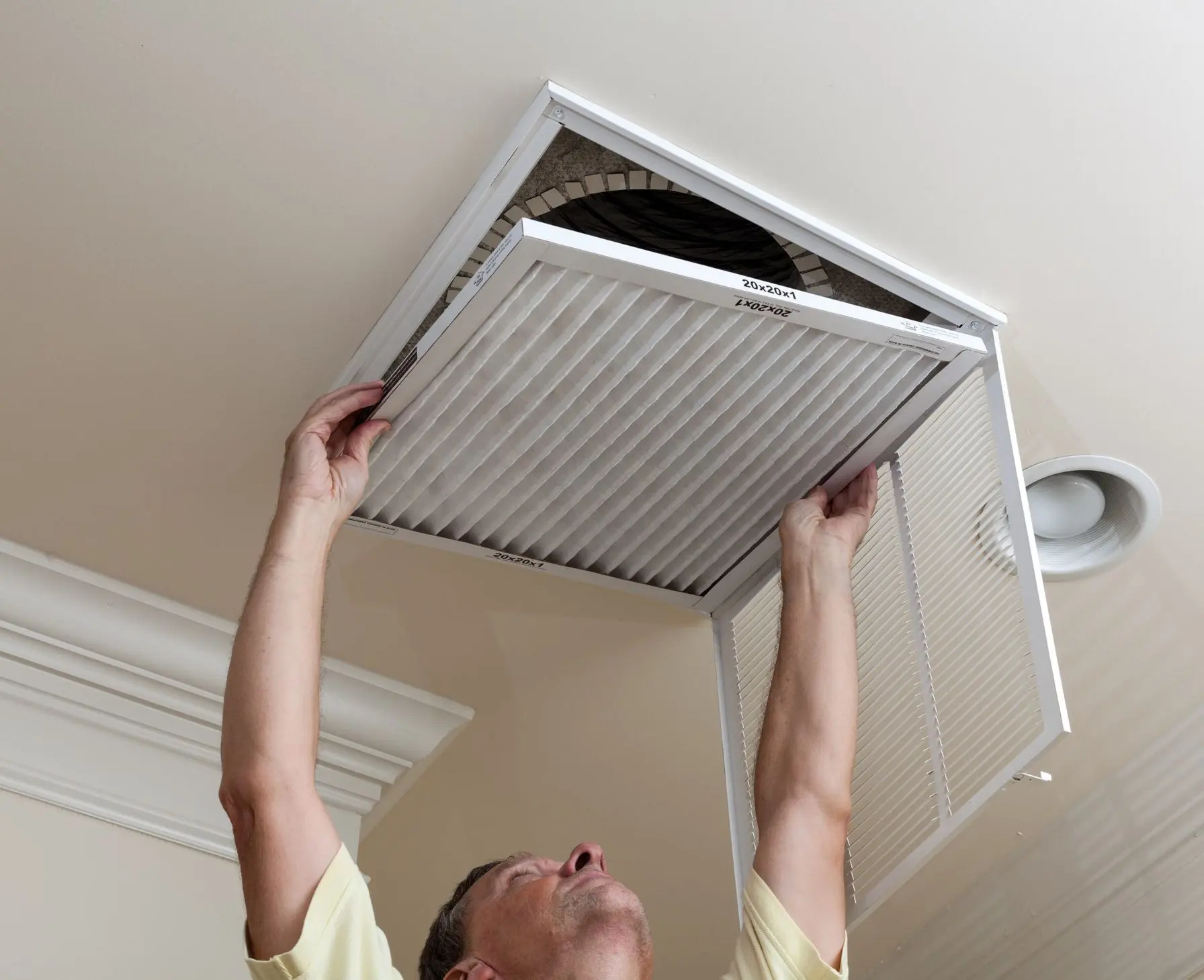
Keeping a clean and well-fitted HVAC air filter installed is essential for supporting efficient HVAC performance. These components capture and retain particulate debris so that it doesn’t enter heaters, heat pumps, or air conditioners and cause problems. Without an HVAC air filter in place, carpet fibers, pet hair, dust, and other debris could settle on your air conditioner or heat pump’s evaporator coil, enter your furnace intake valve, or coat your furnace’s flame sensor. Buildup like that often leads to overheating, high humidity, increased energy use, icing, and shutdown. Ill-fitted and dirty air filters can even cause premature equipment failure if used long-term.

The IAQ Benefits of Standard Air Filters

Standard air filters come pre-installed in many air handling units. HVAC equipment manufacturers choose these components for their proven ability to remove the large-sized contaminants most likely to affect HVAC performance. However, their IAQ benefits are limited. Due to the large mesh and modest surface areas of standard filters, many particulates pass right through them. For residents with allergens, standard air filters do little to minimize the concentrations of dander, pollen, dust mites, and other common triggers in the indoor air.

Maximum Efficiency Reporting Values and Filtration Capabilities

Every HVAC air filter manufactured and sold throughout North America is assigned a maximum efficiency reporting value (MERV) rating. MERV ratings denote how effective filters are at picking up micro-fine debris. The lowest MERV rating is 1 and the highest is 20.

Basic fiberglass filters have MERV ratings of just two or three. Many HVAC equipment manufacturers deem these as insufficient for protecting their products and opt for pleated filters with MERV ratings of six to eight instead. 

HVAC air filters with ratings of 10 or higher are a good choice for many people with chronic respiratory ailments. Not only are they capable of capturing smaller particulates, but with their greater density and larger surface areas, they can retain more of them. Upgraded filters last a bit longer than cheaper, low-quality options, and they address a broader range of IAQ concerns.

Filter Upgrades and Airflow Throughout Your HVAC System

While the best IAQ protection comes from high-rated air filters, when you choose a filter with a higher MERV rating, you negatively impact airflow throughout your entire HVAC system. After all, heaters, heat pumps, and air conditioners must draw air through these components before conditioning it. The denser that an air filter is, the harder your heating and cooling equipment must work to do so.

Residential HVAC systems can generally accommodate upgraded air filters with MERV ratings of up to 13. If you opt for an air filter with a MERV rating of 14 or higher, you’ll have to work with an HVAC comfort consultant and make a series of HVAC system modifications. Comfort consultants can choose filters that establish the right balance between optimized HVAC performance and improved IAQ. Comfort consultants can additionally target filter types that work best for specific allergens.

Filters as Integrated HVAC Accessories

Whether standard or upgraded, air filters are essential components. You’ll need to keep an air filter in your air handling unit at all times to maintain your manufacturer’s warranty and prevent airflow obstructions. However, in addition to the filter installed in your system’s air handling unit, you can also install integrated HVAC accessories like air purifiers, air scrubbers, and media filters. These products are attached to or installed in HVAC air ducts, and they filter conditioned air just before it’s distributed.

Air Purifiers and Air Scrubbers

Air purifiers and air scrubbers offer whole-house air filtration that targets common allergens, larger particulates, gaseous chemicals, and airborne pathogens. These units deactivate mold, bacteria, viruses, and volatile organic compounds (VOCs). To support allergy sufferers, they also eliminate all dander, pollen, dust, and dust mites. They have complex, multi-layer designs, dense constructs, and secondary air-cleaning capabilities. Some release sanitizing, peroxide-based solutions, and others use ionic air-cleaning or ozone-generating technologies. 

HEPA Filters and Other Media Filter Types

HVAC air filters with MERV ratings of 17 or higher are often used in commercial and industrial facilities. You’ll find these in clean rooms, laboratories, hospitals, and manufacturing facilities. High-efficiency particulate air (HEPA) filters have MERV ratings of 17. They work well in commercial and industrial applications, but there are also HEPA air filters for residential use. They’re often sold as in-duct media filters, and according to the EPA, they eliminate 99.97% of common airborne contaminants.

Comfort Consultants and IAQ Assessments

Both allergies and the related IAQ concerns can look different for each person and home. Thus, the best way to eliminate the allergens that trigger unpleasant reactions and symptoms in your household is to take a needs-specific approach. HVAC comfort consultants do this by performing comprehensive indoor air quality assessments. These assessments:

  • Identify the allergens, pathogens, and chemical contaminants present
  • Quantify their concentrations
  • Measure indoor humidity
  • Pinpoint the most likely sources of indoor contamination

How to Use Upgraded Air Filters Effectively

Not all IAQ concerns are resolved with enhanced air filtration. In most cases, it’s also important to address the underlying causes of airborne allergens. For instance, if your allergies are triggered by pets, you may need to isolate litter boxes, play structures, beds, and other heavily contaminated items. Brushing pets often and outdoors can limit the amount of fur and dander in your home. It will also help prevent your HVAC air filter from quickly becoming overwhelmed.

If mold triggers your allergies, you should schedule a whole-house plumbing inspection and address all slow and hidden leaks. You can minimize dust and pollen in your home by properly landscaping your yard and tightening the building’s envelope.

HVAC Maintenance and Filter Performance

Among the best ways to promote optimum air filter and HVAC system performance is by scheduling routine maintenance. All of your HVAC equipment should receive professional maintenance service at least once annually. You should additionally inspect your air filters every two to four weeks and change them as needed. In the typical home, standard air filter changes should occur every one to three months or more often.

Get a Customized Plan for Improving Your Home’s IAQ

The right air filter could lead to less sneezing, sniffling, and coughing, and fewer bouts with itchy, watery eyes, irritated skin, and nasal or sinus congestion. For a customized plan for improving your IAQ, contact our comfort consultants. We offer exceptional heating, electrical, and air conditioning services in Charlotte, NC and the surrounding areas. We also provide advanced indoor air quality improvements. Get in touch with Acosta today to schedule an appointment


The Benefits Of Home Air Purification Systems

air purification in Charlotte, NC

Many people spend the majority of their time indoors. However, the US EPA estimates the average indoor air has pollutant concentrations that are two to five times higher than the outdoors. A home air purification system can help keep your home’s air clean. Here are nine benefits of air purifiers and a summary of the types available.

1. Cut Down on Airborne Illnesses

Airborne viruses can accelerate the spread of disease. Diseases like the flu, the mumps, the measles, and even the common cold get transmitted via the air we breathe. HVAC systems are designed to circulate air throughout an indoor environment, which can further spread microbes if they are not filtered or killed. Through a combination of HEPA filtration and UV sterilization, you can reduce airborne viruses in your home’s air.

2. Allergy Reduction

According to the US Centers for Disease Control, more than a quarter of Americans suffer from seasonal allergies. Things like dust, mold, mites, and pet dander can cause someone with allergies to develop irritating symptoms. In some cases, these symptoms can become severe enough to trigger asthma attacks and other serious breathing problems. Most air filters have a mesh size that is small enough to catch things like pollen and pet dander, which can reduce the indoor concentrations of allergens. 

3. Eliminate Unpleasant Odors

A home air purification system can also help you eliminate persistent unpleasant odors from your home. This can include smells from smokers, the kitchen, litter boxes or other sources. Through the use of active carbon filtration and other technologies, modern air purification systems can trap foul odors and keep them from circulating in your home. 

4. Improve Your Sleep Quality

Studies have demonstrated that home air purifiers can help you to sleep better and awaken feeling refreshed and rested. That’s a big deal because the quality of your sleep plays a big role in your overall health. Poor sleep can lead to chronic illness and can contribute to hypertension, obesity, and cardiovascular problems. Clean indoor air can improve your chances of a restorative night’s sleep.

5. Lengthen Your HVAC Lifespan

The tiny particles that circulate in your home’s air can add unnecessary strain to your HVAC system. This can happen for a variety of reasons, including chronically dirty HVAC filters, dust buildup inside your HVAC’s moving parts, and increased air resistance due to dirty ductwork. By removing as much particulate matter from your home’s air, a home air purifier can lengthen your HVAC’s lifespan, ensuring your long-term comfort and cutting down your maintenance costs.

6. Remove Harmful Chemicals

A home air purification system will also remove a variety of volatile organic compounds (VOCs) and chemicals from your home’s air. Such substances are common in most homes because there are so many household items that may introduce them into the environment. Formaldehyde-based glues in building materials, organic compounds in synthetic furniture and even chemicals in cleaning supplies can contribute chemicals and VOCs to your home’s air. If the concentrations of VOCs are high, they can have a variety of negative health effects ranging from respiratory issues to major bodily organ damage. Activated carbon filters and air scrubbers are both designed to trap these chemicals and remove them from the air you breathe.

7. Reduced Household Cleaning

Did you know that forced-air HVAC systems can increase your home’s need for regular dusting and cleaning? It happens because an HVAC’s central blower can end up moving dust and dirt around your home, allowing it to settle on your furniture and other surfaces. Since an air filter removes dust and dirt from your home’s air, it can solve this problem for you. 

8. Protect the Elderly and Children in Your Home

According to the US Environmental Protection Agency, children and the elderly are more vulnerable to certain air pollutants than the general population. The elderly, especially, suffer more harm from substances like ozone. Repeated studies have shown that the lung development of children suffers harm from excessive air pollution. This is also true for anyone in your home with a chronic condition that affects their lungs, such as asthma, cystic fibrosis or COPD.

9. Improve Your Productivity

The cleaner air produced by a home air purification system can also help improve your productivity at home. Studies have shown that environments with air purifiers support productivity levels up to 11% higher than those without them. So, whether you’re doing your laundry and dishes or working remotely from home, you may get more done in less time with cleaner air.

Major Types of Air Purifiers

Today’s home air purification systems rely on a handful of key technologies to function. You can find systems that use only a single type of technology to clean your air or multiple types for a more thorough approach. In all cases, though, air purifiers begin with one thing—filtration.

An air purifier might rely on one or more filtration technologies, depending on the pollutants it’s targeting. The most common is HEPA filtration, but you will also see systems that add active carbon filtration to deal with things like odors. Plus, high-end air purification systems often use negative ion filtration, which can attract harmful substances from your air like a magnet would attract metal. 

For air purifiers built to eliminate things like viruses and bacteria, you’ll commonly see UV light technology in use. UV lamps that emit light in certain wavelengths can damage or sterilize bacteria and viruses. However, most wavelengths of UV light can harm humans. This is why air purifiers that rely on UV light technology either use it inside a sealed air chamber or feature UV lights installed deep within your HVAC system where you won’t come in contact with it.

Air scrubbers are designed to attract and pull certain gases or chemicals from the air. They are commonly used in industrial settings where volatile chemicals are routinely used to help mitigate air quality. However, these machines can be used for more residential purposes, too. Portable air scrubbers can be used to mitigate the smell and the VOCs of fresh paint. If you have someone in your home who is particularly sensitive, there are systems that work in line with the rest of your HVAC system as well.

The Home Air Purifier Specialists

Here at [company_name], we offer quality air purification systems in Charlotte, NC, and beyond. We offer complete HVAC services, including air purification, thermostats, HVAC installation, maintenance, and repair. We can help with zoned, commercial and ductless HVAC needs as well as standard furnaces, air conditioners and heat pumps. We also offer comprehensive electrical services, including repairs, surge protectors, lighting installation, electrical panel upgrades, generators, and EV charger installation. All of the work we do comes with our peace of mind guarantees. They include a no-lemon guarantee, a workmanship guarantee and a priority emergency service guarantee. To learn more, call us today.

Keep Your Indoor Air Quality at its Finest for Your Guests this Holiday Season

It’s the season to make sure your home is prepped and ready for hosting! With family visiting, holiday parties and events, and neighbors stopping by, it’s an important time of year to make sure that your home is at its finest. There are so many details to keep up with, so don’t let poor indoor air quality put a damper on your holiday spirits. At Acosta Heating and Cooling, we have just what you need to keep the air you and your guests breathe clean and fresh.

The first and most important item to address is health. If the air quality in a home is low, that means that there are pollutants and dust particles stagnating and being breathed by those staying inside the home. We see particularly poor indoor air quality levels more in the winter than at any other time because this is the time of year that people want to keep their homes as closed up as possible. If you don’t have an air purifier attached to your home’s system for heating, this results in poor indoor air quality, which can lead to health issues that may include headaches, dizziness, fatigue, eye, skin, and/or nose irritation. Additionally, children who are especially prone to asthma may experience an increase in asthma attacks as a result of impure air.

Air Purification in Charlotte, NC

Low levels of indoor air quality can also cause bad odors to emanate throughout a home. While this isn’t nearly as serious as the health problems that can be caused, it can be a particularly negative experience for guests who are being hosted in your home.

Don’t let low indoor air quality be an additional stress for you this holiday season. We have the products and technology you need to keep the air in your home fresh and pure. Contact us today!

Why Indoor Air Quality Is Such a Concern Today

It is interesting that sometimes improvements have unintended and dire consequences that often go unnoticed and misunderstood. Such is the case for the many factors that have led to the decreases seen in indoor air quality. While better insulation is a good thing when it comes to reducing heating and cooling costs, it results in homes being so air-tight that there is insufficient air flow to give your home a chance for the air to naturally clean itself.

Indoor Air Quality Inspection in Charlotte, NC

When you add to that the influx of chemicals we unwittingly bring into our homes, such as what is used to create synthetic fibers for clothing, furniture and accessories, not to mention cleaning supplies and personal care products, and you have a veritable soup of nasty illness-causing toxins. Even if you make the most informed decisions, you cannot reduce the load enough to give your family the indoor air quality that would be best for them. Besides, there are plenty of other things that affect indoor air quality, as well.

The best solution for improving the indoor air quality in your home is to have an air purification system installed. A whole-house system installed as part of your HVAC system will continually combat the contaminants that would otherwise circulate unchecked through your home. Not only will your home be healthier, but it will smell fresher, as well. You may not notice the various odors, but they are there, so you’ll definitely notice when they are gone.

If you have questions about improving the indoor air quality in your Charlotte, NC home, give us a call at Acosta Heating and Cooling. We have excellent options for helping your family breathe easier and avoid the long-term effects of toxins in your home. Get that fresh air feeling!

How Your Indoor Air Quality Is Affected by Your HVAC System

Studies have recently shown that the air inside your home can be worse than the air outside. For example, studies from the Environmental Protection Agency have discovered that exposure to pollutants may be two to five times higher within the home. Because of this, more people are concerned with how the air flows not only from the outside to the inside, but within the home itself.

One of the major factors that impacts your home’s indoor air quality is the effectiveness of your heating, ventilating and air conditioning (HVAC) system. Poor maintenance of your HVAC system can have a major impact on your home’s indoor air quality if left unchecked. Ignoring regular maintenance checks and forgo replacing air filters, clearing air ducts, and securing air leaks can not only lead to poor indoor air quality, but also to a less energy efficient home.

There are a few things you can do to ensure that your HVAC system is contributing to good indoor air quality in your home:

  • Ensure that your ductwork is free of debris. By ensuring that your ducts are free from dust, dirt, or any debris, you’re allowing your HVAC system to pump cleaner air throughout your home.
  • Change your HVAC filters regularly. This is especially important for those who are sensitive to airborne allergies. Filters with a high MERV (minimum efficiency reporting value) rating trap more particles, preventing them from affecting your indoor air quality.
  • Seal up any leaks in your windows or doors. Bad air coming into your home from the outside means your HVAC system may be working against you and moving that air throughout the house. By sealing up any air leaks, you ensure your HVAC system is only circulating clean air throughout your home.

Indoor Air Quality Services in Charlotte, NC

If you are concerned about your indoor air quality, call us at Acosta Heating and Cooling today. We work with our Charlotte, North Carolina residential and commercial residents to ensure that their HVAC systems are working their very best at all times. Call us today to have us come look at your system and ensure that you’re breathing easy!

Why Winter Indoor Air Quality Is Important

We all like to feel good about the indoor air quality in our homes, but often we don’t recognize just how extra important it is during the winter months. Today’s homes are far better insulated than those built years ago, and when you close up your home for the winter by closing all the windows and making sure all the weatherproofing is in place, you are trapping whatever the air inside more than during any other time of the year.

Over the winter months, your indoor air quality can suffer because there is a limited amount of new air coming in, as it only happens when the door is opened. This is why doing all you can to improve your indoor air quality before winter arrives is so important.

One of the ways to improve your indoor air quality is to be sure you have the right filters on your heating and cooling equipment and be sure to change them often. This is just as important during the summer as during the winter. While it is recommended that you change your filter once a month, various conditions may exist in your home that would make it better if you did it more often. Having pets with dander or smokers in the home are two such examples.

Air Quality Inspection in Charlotte, NC

If you would like more advice about how to improve your home’s indoor air quality, give us a call at Acosta Heating, Cooling & Electrical. We would be glad to check out your system and offer options for helping your family breathe better this winter and every season of the year.