Protect Your Home Electronics with Surge Protectors
The mechanics behind the electrification of homes can be incredibly complex and often taken for granted. All people do is flip a switch, and voila, lights, televisions, computers, and other appliances are powered on. However, you should know that electric current is not constantly flowing as smoothly as it seems. Power fluctuates. At one moment, it can be stable, and the next, a sudden surge could occur, potentially damaging your home electronics. This is where surge protectors come into play.
Understanding Surges
A surge, also known as a voltage spike or transient voltage, is an increase in electrical current that lasts for a brief period of time. They occur due to the following reasons:
Lightning Strikes
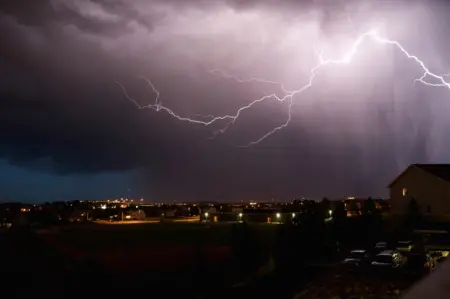
When lightning strikes near a power line, it can send an overwhelming amount of electricity into homes. Even if your house isn’t directly hit, a nearby strike can still cause a surge and potentially damage your electronics.
Electrical Overloads
When too many devices are plugged into a single circuit, it can cause a power overload. This can also happen when large appliances like air conditioners or refrigerators turn on and off (particularly if they’re short-cycling), creating a sudden demand for more electricity. As a result, the voltage will increase beyond its normal level and cause a surge.
Faulty Wiring
Loose or exposed wires in your home can create an unstable electrical environment that will surely cause problems. Water, metallic objects, people, or even pests can interfere with the flow of electricity, causing fluctuations and surges.
Power Outages
Comfort consultants often recommend that you unplug your appliances during a power outage. This is because when the power comes back on, the sudden restoration of electricity can create an influx of power into your home that could potentially cause a surge.
The Potential Damage to Electronics
When a power surge occurs, the first thing that happens is the burning out of delicate components inside your gadgets. Your TVs, home theaters, and gaming consoles all have circuit boards and microchips that are sensitive to high voltage. And once these components fail, your electronics will not work properly again.
If, by any chance, you were using your computer or external hard drive at the time of a surge, it could lead to data loss. Sudden power disruptions can cause files to become corrupted or lost, leaving you with no way of retrieving them.
Even if your items were lucky enough to escape immediate destruction, power surges can still cause long-term damage. They are known to reduce the lifespan of your electronics, cause them to run slower or less efficiently, and increase the risk of future failures.
The Benefits of Using Surge Protectors
Protection Against Surges
The primary benefit of surge protectors is, of course, protecting your electronics from power surges. They work by diverting the excess electricity away from your devices, ensuring they receive a stable and safe amount of power.
Preventing Downtime
If you work from home or rely heavily on electronic devices, downtime due to damaged gadgets can be a significant inconvenience. Surge protectors help prevent this downtime by keeping your electronics safe and operational.
Cost Savings
Replacing damaged electronics can be expensive. By investing in surge protectors, you can avoid the high costs associated with repairing or replacing fried devices. It’s a small investment that can save you a lot of money in the long run.
Prevents Devastating Fires
A surge can cause appliances to overheat and catch fire. When an electrical system can’t keep up with the demand for power, the wires become hot. If left unchecked, they can eventually ignite a fire. By using surge protectors, you can prevent this potential hazard and keep your home safe.
Gives You Access to Multiple Plugs
Most surge protectors include power strips, which allow you to safely plug in multiple devices simultaneously. Still, you need to monitor the type of devices you plug into your power strip to prevent overloading.
Types of Surge Protectors
1. Basic Power Strip Surge Protectors
Basic power strip surge protectors are simple devices with multiple outlets and an on-and-off switch to control the flow of electricity. They work by diverting excess energy into a grounding wire, protecting your electronics from surges. They are commonly used in homes and offices.
2. Whole-House Surge Protectors
Whole-house surge protectors are installed at the electrical panel to protect all devices and appliances in the home from power irregularities. They cost more than the basic surge protectors and require professional installation, but they offer a higher level of protection. In fact, if you have a central HVAC system, a whole-house surge protector is highly recommended.
3. UPS (Uninterruptible Power Supply) Surge Protectors
UPS systems come with a built-in battery that provides backup power to your electronics in the event of a power outage. They protect against surges and power fluctuations without needing to switch to a battery backup. They are commonly used for computers, servers, medical equipment, and other critical devices because they ensure uninterrupted power. If you work from home and want a simple solution for power surges, then a UPS surge protector is an ideal choice.
4. Point-of-Use Surge Protectors
Point-of-use surge protectors are installed directly at the device they protect. They are usually built into power cords, wall outlets, or plug adapters. These protectors are commonly used for small electronic devices such as laptops, TVs, refrigerators, and gaming consoles.
How to Choose the Right Surge Protector
Consider the Device Type
Determine what you need to safeguard (e.g., the entire house, electronics, or your gardening power tools) and the level of protection required. This will help you choose the appropriate surge protector for your needs.
Joule Rating
The joule rating measures how much energy a surge protector can absorb before failing. The higher the joule rating, the more protection it can provide to your devices. A good rule of thumb is to look for a surge protector with a rating of at least 600 joules.
Clamping Voltage
The clamping voltage determines the amount of voltage that triggers the surge protection mechanism. For instance, if a surge protector has a clamping voltage of 400V, it will activate its protection when the voltage exceeds 400V. A lower clamping voltage is better, as it offers more protection to your devices.
Number of Outlets
Consider how many outlets you need to accommodate your devices. Remember that it’s always better to have extra outlets than not enough.
Warranty and Equipment Coverage
When selecting surge protectors, prioritize those that include a warranty and provide equipment coverage against damage. This precaution can save you from incurring the expense of replacing your surge protector shortly after purchase.
Additional Features
Look for features such as USB ports, network protection, and indicator lights. These features can enhance the functionality and convenience of your surge protector, ensuring you get the most out of your investment.
What to Expect During the Installation Process
When a comfort consultant comes to your home, they will first inspect your home’s electrical system. This helps them determine the best placement for the surge protector.
Next, they will install the surge protector at the main panel or near specific devices, depending on which type of protector you choose. They will then test it to ensure it is functioning properly and provide instructions on how to maintain and monitor it in the future.
The general time it takes to install a surge protector varies depending on the type and size of your home, as well as any specific installation requirements. In most cases, it can be done within a few hours.
Call Us Today for Expert Help
If you live in Charlotte, NC, call Acosta Heating, Cooling & Electrical today for expert installation, maintenance, and repair services for your surge protectors. Our team of experienced electricians will help you select the right type of surge protector and ensure it is installed properly to safeguard your home and electronics. Moreover, we have you covered if you need other services like HVAC and indoor air quality solutions.
Ask us about our electrical solutions today!