Your A/C’s Air Filter: MERV By the Numbers

Taking the mystery out of what MERV ratings are and how they affect the air quality of your home doesn’t have to be a chore. We’ll break it down for you in an easy and comprehensive way. MERV stands for Minimum Efficiency Reporting Value, by which your indoor air filter is measured according to the filter’s ability to arrest airborne particles. Filters are measured on a MERV scale from 1-16.

Choosing the right air filter can greatly improve the indoor air quality of your home and give your family relief from common irritants such as allergens, tobacco smoke, spores, dust mites and odors. Your air filter will vary in efficiency depending on its composition. Let’s break it all down by the numbers.

  • The most common air filter type found in most homes and apartments has a MERV rating of 1-4. These filters capture contaminants 10 microns and larger, such as carpet fibers, pollen, dust mites, sanding and spray paint dust. These types of air filters need to changed very often.
  • Filters with a MERV 5-8 are basic commercial filters and are highly recommended for home use due to their ability remove mold spores, fine cement dust and particles as large as 3 microns in size.
  • Commercial and industrial air filters that are rated between 9 and 12 have the ability to arrest particles that are 1-3 microns in size such as smoke, lead and insecticidal dusts.
  • Hospitals, sterile environments and clean rooms require extra protection and use filters rated MERV 13-16. These air filters will capture particles as small as 0.3 microns in size, such as viruses, bacteria and fumes from cooking. These Merv 16 filters are available for home use and are highly recommended for homes.

It’s also important to note that electrostatic filters are not listed and do not have MERV ratings due to the fact that they use a different method of capturing particles.If you’d like more information or a consultation, our friendly and knowledgeable experts at Acosta Heating and Cooling will be glad to answer any questions you may have. Contact us today!
Uneven Cooling? Air Ducts Could Be the Problem

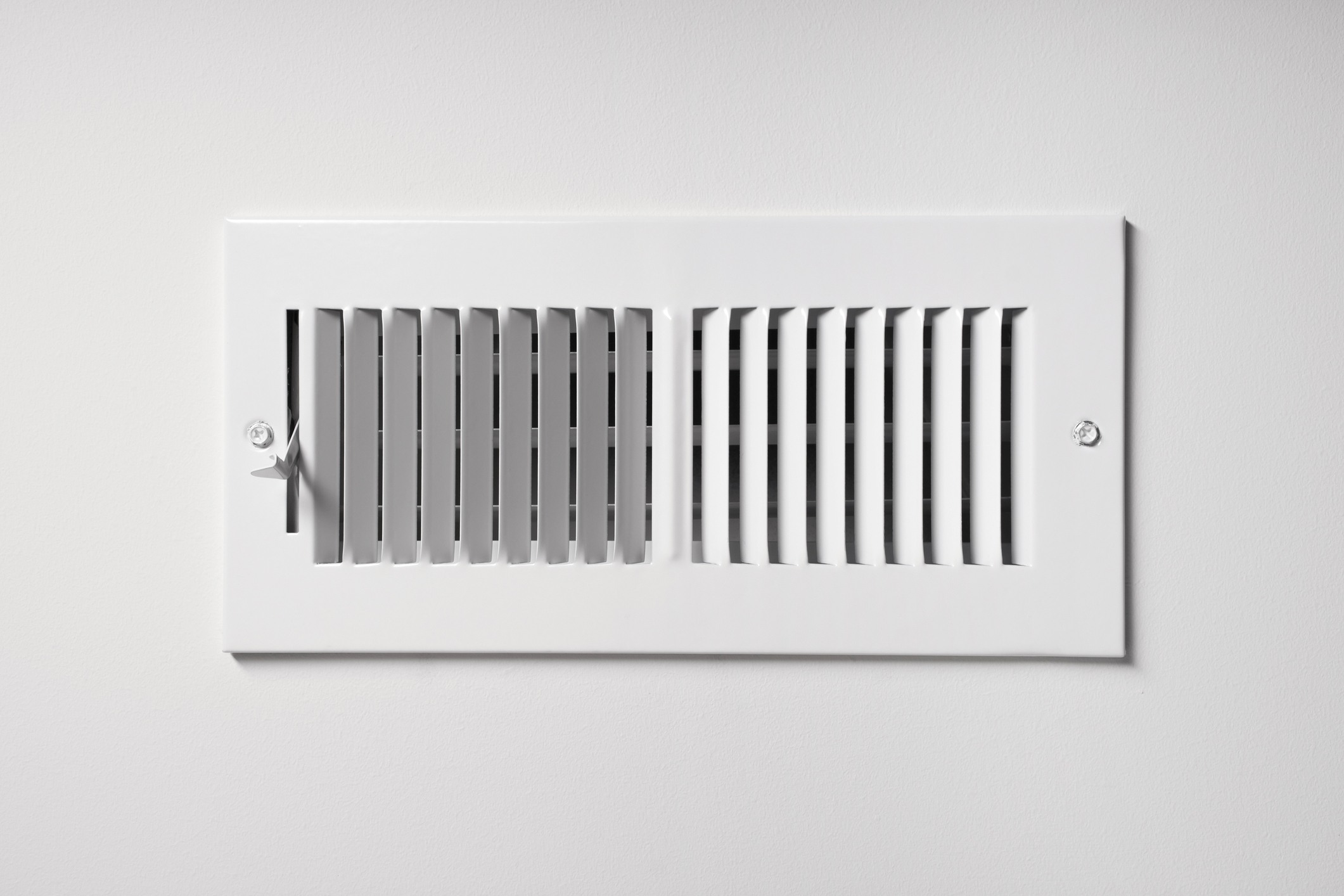
Air vent cover on a white wall, illustrating HVAC air circulation system related to heat pump maintenance and indoor climate control.

How To Fix Uneven Heating & Cooling in Your House

One way to look at your HVAC installation is as a very large air circulation system, with the ductwork forming a critical pathway for air traveling in and out of your home’s interior. The main unit heats or cools the air and sends the conditioned air into the supply ductwork toward rooms in your home. The air exits the supply ductwork and heats or cools the area, then is drawn back into the HVAC system by return air ducts. The expended air flows back to the main unit, where it’s filtered, reconditioned, and sent out again.

To function properly, your air conditioner, furnace, or heat pump needs adequate amounts of unobstructed airflow at all points in the system. Most homes have plenty of supply ducts to send heating or cooling into their indoor environment, but just as many lack enough return air ducts to bring air back to the HVAC unit to be reused. This can cause a reduction in indoor comfort, creating uneven levels of heating or cooling throughout your home.

[cta_buttons phone=”7046655998″ link_text=”704.665.5998″ link=”/contact/” button_text=”CONTACT US”]

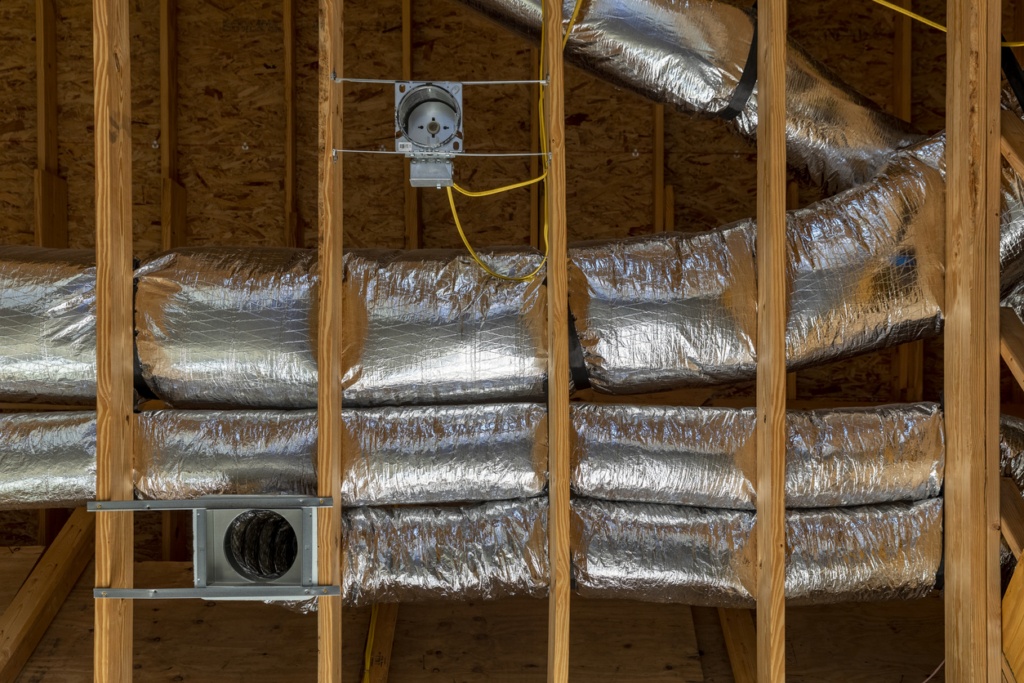
Ductwork installation in new construction, showcasing insulated silver ducts and framing, essential for HVAC air circulation and efficiency.

Ensure Your HVAC System Has Enough Return Air Ducts

The key step to solving the problem is to make sure there are enough return air ducts for your HVAC system. Your local trusted HVAC contractor can help you determine how many returns you need. Your technician may suggest a multiple-room system in which a return duct is installed in each room that also has a supply duct. These systems are very efficient, but they can be costly.

What Is a Central Return System?

An economical alternative is a central return system. Here, return air ducts are connected to return grilles in central areas of your house, such as hallways, stairwells, ceilings, or main rooms. Each room in the house also has a jumper duct or transfer grille connected to the central return duct. This configuration provides plenty of airflow between rooms and back into the system for recycling.

Get Your Uneven Air Flow Fixed in Charlotte With Acosta

Acosta Heating, Cooling & Electrical has been a trusted source of professional heating and air conditioning services to customers in Charlotte and surrounding areas for over 40 years. Contact us today for more information on return-air duct efficiency, to get an estimate on a return duct expansion, or to schedule a duct renovation appointment.

Whole-House Air Cleaner and UV Lights – for That Breath of Fresh Air You Need

If you’re looking to improve the quality of your indoor air with one simple purchase, a whole-house air cleaner and ultraviolet (UV) lights are two of your best choices. Knowing what pollutants trigger allergy or asthma symptoms for you or members of your family is the first step. However, if multiple contaminants trigger these symptoms, there’s an even better solution.
Manufacturers such as Lennox now recognize the advantages of various technologies, such as whole-house air cleaners and UV lights, and you can now choose equipment that combines multiple indoor air-quality solutions in one system.

One such system, Lennox’ PureAir, utilizes a whole-house air cleaner and UV lights, along with odor and vapor protection to optimize results.

Whole-house air cleaner

This portion of the PureAir system relies on a filtration technology to target a range of problematic pollutants, including pet dander, pollen and dust particles. Utilizing a Precision Pleat MERV 16 filter, when the air first passes through the system it is able to capture the smallest of particles, down to 0.01 microns, taking them out of your home’s airstream.

UV lights

Next, the air passes over UV lights, designed to specifically target mold, viruses, dust mites and bacteria. Instead of trapping these pollutants, powerful ultraviolet rays zap them, so that they are harmless after coming into contact with the UV rays.

Odor and vapor protection

During the final phase, the PureAir utilizes powerful odor- and vapor-reducing technology to filter out volatile organic compounds, in addition to removing odors from a variety of sources, including those from cleaning solutions, paints and cooking.
When choosing a system, consider the following factors:

  • Clean air delivery rate (CADR). Select an system with a CADR rating that will match the square footage of your home
  • Operating costs. Air cleaners will generally work only as long as you run your furnace blower, even if your furnace or A/C is off, in order to circulate air. Run the numbers with an expert to estimate each system’s annual operating costs.

With a whole-house air cleaner like PureAir, you can expect cleaner air. For expert advice in greater Charlotte, contact Acosta Heating, Cooling & Electrical.

Programmable Thermostats: How to Make the Smart Decision

Investing in a programmable thermostat will quickly pay you back, as the average energy savings you can expect from using these devices approaches 10 percent. By selecting a model with “smart” capabilities, you can lock in the highest savings possible while providing the ultimate in convenience.

Programming options

Standard and smart programmable thermostats generally allow homeowners to set their devices for up to four daily schedules. But weekly scheduling options differ from one model thermostat to another.

You can choose:

  • 7-day programming, with a separate schedule for every day of the week
  • 5-1-1 settings, with one schedule for Monday through Friday, and one schedule for each weekend day
  • 5-2 programming, with one schedule for the weekdays and one for weekends
  • 1-week settings, with programming that extends the entirety of the seven-day week

Programmable thermostat features

You can also select various features for added convenience, including:

  • Touch screen capabilities
  • Backlighting
  • Reminders to change your HVAC air filters and the thermostat’s batteries
  • Vacation override button

Smart capabilities

A standard programmable thermostat will give you all of the features listed above, but a smart device offers an additional perk: web-based access. Remote access to a programmable thermostat can give a homeowner a multitude of options, including the ability to:

  • Change temperature settings from another location using a phone or computer
  • Adjust temperatures remotely when your schedule changes, so that by the time you return home the temperature will be comfortable
  • Change the time period of an existing setting, allowing you to adjust any of the four daily settings
  • Set a 365-day schedule, a feature available on some smart programmable thermostats
  • Lock out manual adjustments, ideal when you don’t want home occupants, like children, to manipulate the thermostat and make changes to the temperature or time settings
  • Receive a text or email when your smart thermostat senses that the home’s temperature is above or below the setting, allowing you to remotely respond
  • Receive alerts when humidity sensors read levels that are too high or too low

Use the power of “smart” programmable thermostat technology, and boost your overall energy savings and convenience. For help, contact Acosta Heating, Cooling & Electrical — serving the Greater Charlotte area as a local, family-owned company since 1972.

Seven Moisture-Fighting Strategies That Will Keep Mold From Multiplying

If you’ve ever had a problem with mold in your home, you know just how problematic removing it can be. Mold can quickly multiply once it gets a stronghold in your home, but with moisture-fighting strategies, you can keep mold at bay in your Charlotte-area home.

Here are seven tips you can use immediately:

1. Don’t let plumbing leaks go unchecked

– Not only can these leaks lead to higher water bills, but they give mold a chance to grow. Quickly fix leaks yourself, if you have the skills, or a call in a plumber.

2. Keep your home dry

– Any time that an area in your home becomes wet, or even damp, you’re giving mold spores the opportunity to gather—and rest assured that they will reproduce quickly once they gain a foothold. When you shower, for example, use the exhaust fan to dry out the space, and wipe down shower and tub walls.

3. Watch indoor humidity levels

– You can purchase a hygrometer, which will allow you to monitor your home’s relative humidity. Ideally, humidity should remain below 60 percent, with 30-50 percent being an optimal range. If you find your home is overly humid, consider purchasing a whole-house dehumidifier.

4. Schedule regular maintenance

– Proper cleaning and inspections will help to keep your air conditioner working properly, and ensure that it can dehumidify the air.

5. Watch A/C drainage

– Because lots of moisture is produced during the cooling process, your A/C system must drain this moisture properly. Homeowners should keep an eye on the A/C’s drip pan and condensate drain, cleaning and unclogging as necessary.

6. Check equipment ventilation

– Equipment that emits moisture, like a clothes dryer, should be vented outside.

7. Keep the foundation dry

– This is one of the best moisture-fighting strategies. Be sure that the area around your home slopes away from your home, and keep drainage systems clear.

Don’t let mold get the upper hand in your home. Use moisture-fighting strategies to prevent it from ever getting a foot in the door. For expert advice contact Acosta Heating, Cooling & Electrical, serving the Greater Charlotte area as a local, family-owned company since 1972.

Is an A/C Tune-Up on Your Spring To-Do List?

An A/C Tune-Up should be at the top of your spring to-do list. The largest consumer of energy in your home is your heating and cooling system. Keeping your HVAC equipment running efficiently will help control energy costs.

Having a spring A/C Tune-Up will get your A/C unit ready to operate safely and efficiently throughout the summer cooling season. You’ll also avoid the panic of having to repair a malfunctioning unit in the middle of the hot summer months to come.

When you schedule an A/C Tune-Up, your technician will:

  • Conduct a thorough inspection of the entire system and its related components
  • Test the A/C’s refrigerant. An incorrectly-charged system will waste energy and not cool properly.
  • Test the system for refrigerant leaks
  • Safely capture refrigerant that must be removed, according to industry standards
  • Check the ductwork portion of your HVAC equipment, ensuring that it doesn’t leak and allows for proper airflow
  • Assess the A/C’s airflow over the evaporator coil, and clean it. Improper airflow over the coil will lead to decreased cooling capacity
  • Test the thermostat, ensuring that its controls will deactivate the heating system when you set the thermostat to cooling mode, and making sure that it will meet temperature settings
  • Inspect all electrical elements, lubricating and tightening connections as necessary
    Test the motor, checking that belts are tight, warding off wear and tear, and lubricating the motor, too

As a homeowner, you can participate in maintaining the air conditioner by:

  • Changing the air filter before you start up the A/C
  • Checking the air filter monthly once you begin to use the air conditioner regularly, ensuring that the filter is not dirty, which will restrict airflow and lead to dirt buildup
  • Assessing the conditions around the outdoor unit, cleaning up debris that has accumulated throughout the winter, as well as vegetation that can block the unit and potentially restrict airflow and reduce efficiency
  • Inspecting the registers and grilles throughout your home to ensure that airflow is optimized

Contact the home-comfort experts at Acosta Heating, Cooling & Electrical to schedule an A/C tune-up appointment, or ask about our annual maintenance plans. We’ve served the Greater Charlotte area as a local, family-owned company since 1972.

Carbon Monoxide Detectors Are Critical to Your Safety – Choose the Right Type

It’s odorless, colorless and tasteless. Early symptoms of exposure to it may be mistaken for a simple case of the flu. Yet, carbon monoxide (CO) is the leading cause of residential poisoning fatalities in the United States. Each year about 500 Americans die from breathing it — nearly half in their sleep — and over 15,000 require hospital treatment. Produced by incomplete combustion of common fuels like coal, oil, gasoline and natural gas, CO silently accumulates in enclosed spaces and swiftly reaches fatal concentration. Without carbon monoxide detectors installed to alert occupants, death may occur in as little as three minutes.

Early detection of carbon monoxide is a lifesaver, particularly when residents in a home are asleep. Carbon monoxide detectors with alarms are based on two different technologies:

  • Electrochemical detectors rely on a chemical reaction to sense the level of CO. Widely marketed and now considered the most accurate variety, these models utilize a high-decibel audio alarm. Electrochemical detectors have low voltage requirements and many are battery-powered, permitting more versatile location and easier installation.
  • Metal oxide semiconductor detectors utilize an older technology, relying on the reaction between tin oxides and carbon monoxide to detect dangerous levels. Metal oxide carbon monoxide detectors must be plugged in or hardwired to 120-volt house current, limiting location options. However, the AC power source enables more features, such as a digital readout to display current CO levels. Some metal oxide-type detectors are also equipped with a strobe light that accompanies the audio alarm—desirable in homes with elderly or hearing-impaired residents.

The initial purchase price for carbon monoxide detectors of either type is more or less a wash. However, battery/sensor replacement required by electrochemical models after two to three years results in greater expense over the long run. Each sleeping floor of the residence should have at least one detector installed, with another in the vicinity of any appliances that burn natural gas or other combustible fuels.For more about the safety benefits of carbon monoxide detectors, and the dangers of CO exposure, contact Acosta Heating, Cooling & Electrical — since 1972, Charlotte, North Carolina’s leading heating and cooling providers.

Static Electricity? No Problem — Use a Humidifier To Take Care of It

Lightning striking in a stormy sky above residential rooftops, illustrating potential HVAC challenges during severe weather.

Dry winter air can cause a variety of issues, ranging from mildly irritating to downright damaging. Static electricity typically falls into the former category, although it can cause more serious problems in extreme cases. In any event, if you’d like to eliminate static and reduce all the issues associated with dry air, a humidifier is the way to go.

[cta_buttons phone=”7046655998″ link_text=”704.665.5998″ link=”/contact/” button_text=”CONTACT-US”]

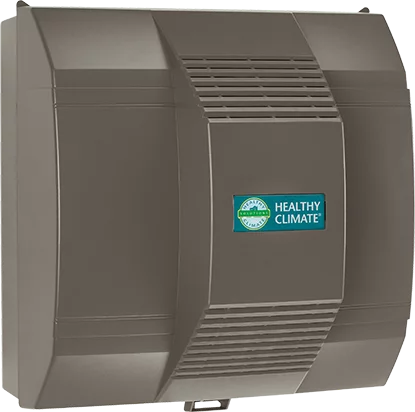
Compact Healthy Climate air purification unit designed to improve indoor air quality and reduce static electricity.

Static Electricity in Your Home

You’ve probably noticed static electricity from the many forms it takes: frizzy hair, clingy clothing, and those telltale sparks when you touch a doorknob or other object. Occasionally, static can also build up to levels that can be damaging to sensitive electronics, so it’s important not to let it get too out of hand.

How a Humidifier Helps Reduce Static

Static electricity tends to be much more of an issue in winter because the air tends to be driest during the season. Moisture in the air prevents static electricity from building up, and that’s where humidifiers come in. Maintaining an optimum humidity level around 30% or 40% can significantly reduce static electricity.

Other Benefits of Humidifiers

A humidifier can ease all of the many issues caused by dry air, such as chapped lips, dry eyes, and itchy skin. Avoiding dry air can also help you recover from colds more quickly, and it makes breathing easier, especially for sufferers of asthma or other respiratory conditions. Humidification also protects wooden floors, furniture, and fixtures in your home from drying, separating, and cracking.

Humidifier Options for Your Charlotte Home

When you consider humidifiers, you basically have two options. The first is one or more portable humidifiers, which can each effectively eliminate dry air in a single room. The second is a whole-house humidifier, which works with your HVAC system to humidify the air throughout your home. Although portable models are less expensive, they require more work, such as regular deep cleanings and constant refills. Whole-house humidifiers are more efficient, do not require constantly having to be refilled with water, require little maintenance, and are usually installed out of sight and away from your living space.

For more information on the benefits of humidification, contact Acosta Heating, Cooling & Electrical. We’ve been locally owned and operated since 1972 and provide expert HVAC service throughout the Charlotte area.

Lauren Acosta On 107.9 WLNK’S “The Satisfied Life”

Acosta Heating, Cooling & Electrical’s own, Lauren Acosta, joined “The Satisfied Life” radio show this past weekend. As an Acosta Comfort Specialist, Lauren brought her expertise of solar HVAC systems and indoor air quality solutions to Charlotte’s airwaves, offering insights and savings tips that every homeowner can appreciate. If you missed Sunday’s show, you can still listen to her interview by clicking the play button below:

Fresh Air Year Round – With an Energy Bonus

The indoor air quality of your home is important when trying to keep your family healthy, hence the need for ventilation. However, ventilation systems can be both practical and economical. Energy recovery ventilation systems vent the home while keeping energy loss to a minimum.

Benefits of home ventilation

Pumping a constant stream of fresh air into your home helps keep it healthy by pushing out stale, contaminated air. Things like dust, mold and bacteria are removed, thus reducing the chances of allergy aggravation and sickness.

There are two major types of home ventilation systems, heat recovery ventilators (HRVs) and energy recovery ventilators (ERVs). The more economical of the two is the ERV because of its heat exchanger. While the HRV only transfers heat, the ERV transfers both heat and water vapor.

Since ERVs transfer moisture to less humid winter air, your home’s humidity is kept relatively constant. During the summer, the ERV also maintains humidity by transferring a portion of the incoming air’s water vapor to the drier air leaving your home. Coupled with homes featuring air conditioners, an ERV home has better humidity control than with a HRV. Some experts suggest turning off the ERV during high humidity weather to keep humidity levels low. The system can be programmed to work only when the air conditioner is on.

Energy bonus

ERVs reduce ventilating cost during winter by shifting heat from exhausted warm inside air to new, yet cold supply air. The reverse is done during the summer. ERVs can recover between 70 and 80 percent of the energy in the home’s air and deliver it to incoming air. They’re most economical in climates with extreme summers or winters and where fuel costs are high.

For assistance in deciding whether an energy recovery ventilation system is ideal for you home, contact Acosta Heating, Cooling & Electrical.