What to Do When Your Furnace Is Not Working

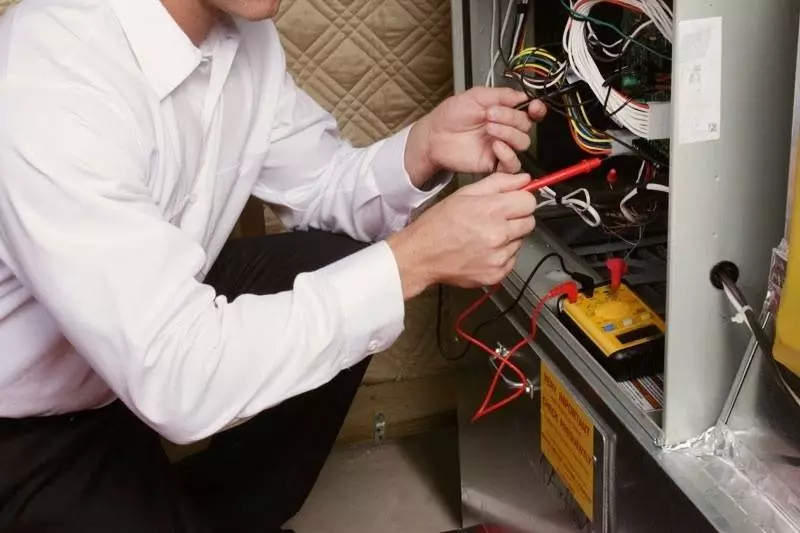
Technician working on a gas furnace

If your furnace is giving you trouble and you’re unable to keep warm, it’s essential to have someone you can trust to resolve the problem promptly — someone like the team at Acosta Heating, Cooling & Electrical. Of course, getting help with your furnace or other HVAC or electrical equipment means understanding that there’s a problem in the first place, so you know it’s time to make a call.

Today, we’ll look at the symptoms of a troubled furnace and what it might mean for your system.

If you’re looking for help in the Charlotte, NC, area, don’t hesitate to contact Acosta online by calling 704.665.5998 now! We’ll be glad to figure everything out for you.

Signs That Your Furnace Isn’t Working

While some furnace issues are rather obvious—if no air is blowing at all or that air is ice cold—others can be more subtle. Be sure you don’t leave any of these issues to linger until it becomes a bigger problem—or leaves you cold on a freezing night.

  • The system no longer keeps you at the temperature on your thermostat
  • Strange noises or smells from your system or ducts
  • Constantly needing to relight a pilot light or flip an electrical breaker
  • Short-cycling, where the system turns on and off and on and off without hitting temperatures
  • Changes in humidity or indoor air quality

[cta href=”https://www.acostainc.com/contact/” text=”Schedule Service”]

Troubleshooting Your Furnace

Check if your thermostat is turned off or try resetting your digital thermostat.

Often if your furnace starts acting poorly or not acting at all, the issue can be tied back to your thermostat rather than the furnace itself. Make sure your thermostat settings are correct, and if you have a digital thermostat, try a full reset according to the manufacturer’s instructions.

Check your electrical and gas lines by testing other appliances that use them.

Problems with your furnace can also track back to the energy it uses—electricity and possibly gas. If a breaker is flipped or other electrical appliances on the circuit aren’t working, you have your culprit. Similarly, if you have a gas furnace and other gas appliances aren’t working right, you know what’s wrong.

Change the filter.

If you haven’t changed the filter in a while, it’s straightforward for it to be blocked entirely up to the point that air can’t flow through your system. Of course, even without that blockage, if it’s been that long, go ahead and change your filter—it’s good for your system and indoor air quality!

Check the exhaust and intake vents to make sure they’re not blocked.

Physical obstruction of the airflow of your furnace isn’t just a matter of filters. Intakes and vents can be blocked by duct and debris—or maybe someone just moved something in front of the intake and stopped the whole system.
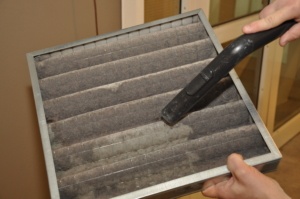
Furnace filter being cleaned

Choose Acosta for Emergency Repair

If your problem extends beyond simple thermostat resets and clogged filters, reach out to the experts at Acosta and get help as soon as possible. Quick action can save you a lot of discomfort and money in the future by getting ahead of breakdowns and severe damage resulting from a system in disrepair continuing in that state.

Contact us online or call us at 704.665.5998 to request help in Charlotte, South Charlotte, Waxhaw, and the surrounding areas!

The Temperature Is Climbing… Do You Need Air Conditioning Repair?

You were all set to go out this weekend and enjoy the many places to go in Charlotte when it started getting warmer and you decided it was time to kick on the air conditioner, only to find that it isn’t working. Needing air conditioning repair has sidelined your plans, or so you think. However, maybe it doesn’t have to be as bad as you think.

Many air conditioning repair fixes are less major than you might think. Often something simple, such as a loose wire, refrigerant leak, clogged drain, or malfunctioning sensor, is enough to keep it from working properly yet not be a hefty repair bill. Other times it could be more involved, such as a compressor or fan, but rarely does it mean you need a completely new HVAC system.

The good news, too, is that often an air conditioning repair doesn’t take very long, so you should still have plenty of time to enjoy some shopping, a movie, or a bite to eat with your family. Many air conditioning repair companies even offer 24/7 emergency service, as well as convenient hours, so your schedule isn’t disrupted more than is necessary.

Air Conditioning Repair in Charlotte, NC

If you find that you need air conditioning repair, before you scratch those weekend plans, give us a call at Acosta Heating, Cooling & Electrical. We’ve been around since 1972 as a respected part of the Charlotte, North Carolina community. We’ll do our best to get you taken care of so your weekend can go on as planned.

Repair Your Air Conditioning to Save Money

For most families, the largest part of their utility consumption is the air conditioner, and although this is unavoidable during those hot, humid summers, it can be reduced. An air conditioner that goes year after year without being serviced will perform less efficiently each year – as much as 15% less each year. While this may not seem like a lot of money to save, keep in mind that service will also safeguard the lifetime of the equipment and avoid costly air conditioning repair.

There are some things the homeowner can do to keep the unit operating better.
First of all, be sure to change the filter regularly. It is recommended to change the filter at least once a month during operation months. It won’t hurt to do it more often if you have pets or conditions that produce dust and airborne particles. You should also be sure the outdoor equipment does not get clogged with landscaping debris such as fallen leaves and growing ivy.

All air conditioning repair should be done by a professional.
An annual or even bi-annual contract is inexpensive in comparison to high utility bills and extra repair costs. A professional will come out and completely check over your system. They will clean the areas such as the evaporator and condenser coils. They will balance the system, oil any parts that need it, and check the filters, which are all things the average homeowner would not have the proper equipment and knowledge to service. They will also let you know when it may be time to give your ductwork some attention. Leaking air ducts can cost you a ton in both cooling and heating costs.

A professional can tell you if your air conditioner is in need of replacement, or give you a timeline as to when it may need to be replaced. Even though the equipment may be working, with the newer systems, you may save so much in utility costs that it makes sense to change it out for a more efficient system. Quite often homes are built by developers looking to put in the least expensive system they can while overlooking energy efficiency. Sometimes the systems they put in are not even the right size for the square footage of the home. In these cases, Acosta can sit down with you and let you know just how much you might save by upgrading your system.

Whether you have your equipment serviced, repaired, or replaced, the bottom line is that you will save money by not neglecting your air conditioning equipment.
And you just may feel a whole lot cooler this summer without having to sit right in front of the air duct! To schedule routine maintenance of your system, call Acosta at [phone] or click here to schedule online: https://www.acostainc.com/services/money-saving-agreement/#msa-form.

Signs of Needing Furnace Repair

Furnace repair can be a very expensive part of life. It is important to catch the signs early, so you avoid a catastrophe and an even more expensive mess. Here are 7 signs that can help you realize whether you need furnace repair or not:

  • The prices of your gas and electric bill are going up. Furnaces lose efficiency with age, and this can increase exponentially if the furnace has not been properly maintained. This causes your furnace to work harder for the same amount of output while using more energy and eventually causing your gas or electric bills to rise. The money you pay the gas and electric company every month could be used to pay for new furnace.
  • Your furnace is multiple decades old. The life expectancy of a furnace is between 16 and 20 years. Any longer than this and your furnace is probably close to its end.
  • No matter what the thermostat says, you are still uncomfortable. Your furnace may lack the ability to properly distribute the air in your home, making some rooms warmer than others. Also your thermostat may need replacing.The furnace is making strange noises. Furnaces tend to make strange and loud noises near the end of their life. This could be a sign that the furnace is about to give.
  • Members of your household getting sick. As furnaces get older, they run the risk of getting damaged and cracked. This can cause carbon monoxide to leak into your home undetected and cause harm to your family. Symptoms include disorientation, nausea, and flu-like symptoms. It is highly recommended that everyone have a carbon monoxide detector installed in each living area of your home. If you suspect carbon monoxide poisoning, or if your carbon monoxide detector goes off, get out of the house immediately and do not go back in until the area has been inspected by professionals and proven to be safe
  • Yellow burner flame instead of a blue burner flame. A yellow burner flame might be a sign that your furnace is producing carbon monoxide. This is very dangerous to the members of your household.
  • Dirty or dusty home. Old furnaces cannot properly moisturize and clean the air inside of your home.

If you see any of these signs, you should consult with a professional to see about furnace repair or replacing your furnace.

In need of furnace services in the Charlotte metro area? Call Acosta Heating, Cooling & Electrical today at 704.665.5998 or contact us online!

How to Avoid Needing Furnace Repair

Furnace repair can be very expensive and cause quite a headache for homeowners. It is very important for the longevity and efficiency of your furnace that you keep the system maintained properly to avoid a big breakdown at the worst time.

So how do you prevent running into issues with your furnace and needing furnace repair? The best way is to schedule annual furnace tune-up with a heating and air conditioning professional. Although this may have some cost associated with it, you save 5-10% in energy costs each year by ensuring your furnace is operating at maximum efficiency, and your furnace technician will be able to catch small problems before they become big ones.

Another small step to assist in the avoidance of furnace repair is to change the furnace’s air filter regularly and clean it once every month. Many furnace repair technicians have reported that as many as half of their furnace repair calls are caused by dirty motors. Keeping a clean and fresh filter can prevent these breakdowns and save you money.

If you choose to do your furnace maintenance on your own, remember to proceed with caution. Remember that you are working with an appliance that runs on flammable materials and has the potential to be very dangerous. Generally speaking, you shouldn’t perform any maintenance on your own furnace that is more involved than changing the filter.

If you do happen to run into issues that may need furnace repair, before you call for assistance, make sure to check these simple fixes to avoid an unnecessary service:

  • Check to make sure the thermostat is set at the right temperature.
  • Check to make sure all registers in the house are open and not blocked by furniture.
  • Check to see if the pilot light is on. If it is not, follow the instructions on the furnace to get it going again, but take the safety precautions VERY seriously. This can be dangerous if not done correctly. If your pilot light goes out often, you may have a larger problem that needs to be addressed by a technician.
  • Check to make sure the circuit breaker is on.

“Prevention Is Better Than Cure” Certainly Holds True for Air Conditioning Repair

Indeed it’s true that an ounce of prevention is worth a pound of cure. This holds true if you want to prevent identity or auto theft, and it’s also true if you want to reduce the amount of air conditioning repair that your unit needs. By regularly cleaning your air conditioner, you will minimize the need for future repairs.

Here are some cleaning tips to avoid air conditioning repair:

  • Before cleaning it, turn the unit off: This is critical to prevent a shocking experience – literally. Switch off the circuit breaker that powers the air conditioning unit.
  • The coils: With an ordinary garden hose, wet the coils. Then spray with a commercial air conditioner product. Leave the cleaner on the coils for the time indicated on the instructions. Next, rinse off the cleaner. If you have a wall air conditioning unit, you can use the soft brush attachment on your vacuum cleaner to clean the coil fins. Keeping the coils clean is an essential step in preventing air conditioning repair.
  • Replace the filter: In the height of summer when the air conditioner is being used often, the filter should be replaced once a month, or at least every other month, depending on how high usage is. Although the filter is the most basic part of an air conditioning unit, it’s the first line of defense in preventing a buildup of dirt and, ultimately, reducing unnecessary air conditioning repair.IMPORTANT: You can take these simple steps to keep your air conditioner clean, but it is equally important to have a trained professional perform preventative maintenance once or twice a year.

Common Culprits That Call for Furnace Repair

Of course there are any number of things that necessitate furnace repair, certain problems occur much more commonly than others, as well as range from minor to potentially dangerous. Knowing what to look for can be helpful both in deciding how to proceed with the furnace repair process and also to help you communicate more effectively with your furnace repair technician.

One of the first things to check when your furnace fails to start is the thermostat. A faulty thermostat will not allow the furnace to recognize the need to start heating. The good news is a broken thermostat is also one of the more simple problems to have repaired.

If the furnace turns on, but one or two of the rooms of the house are not receiving air, the problem is likely to be in the air ducts themselves. Perhaps one or more of them are broken or have become blocked. This problem can become more difficult when the air ducts are in places difficult to reach.

If your furnace is lit, but none of the rooms are receiving air at, the problem could be the blower or the circulating fan. This problem will definitely call for a furnace repair. The blower takes the air from the cold rooms, runs them through the heat exchanger, warming the air, and then sends the warm air back into the house. A disruption in the flow of air can also cause overheating in the furnace itself.

Clogged, dirty, or blocked air filters can also cause problems and lead to furnace repair. It is essential to have clean and clear filters through which the air may move freely. Restricting the flow of air can cause unnecessary strain on the system and increase energy consumption. However, this problem is more an issue of maintenance. Make sure to clean your filters at a very minimum of once every three months during the use of the furnace; more often would be even better. Caring for and getting routine maintenance for your heating system will help prevent the need for furnace repair in the first place.

What to Know Before Furnace Repair

Updated: October 2023

If you have a furnace, chances are one day you will find yourself in need of furnace repair. When that day comes, it will be a good idea to know a few basics about the furnace you are using at home. This way, you will be able to communicate more easily with any technician who will be helping you in your furnace repair.

First thing’s first: you need to know what type of furnace you have. Modern furnaces are usually referred to by their efficiency of heat use, and whether they use propane (less common) or natural gas (more common). You may also have an oil heating system. Most older furnaces have an efficiency of 50-60%, while newer furnaces can range anywhere from 80-100% efficiency. When speaking of efficiency, we are saying how much of the generated heat will go into the actual heating of the house, and how much will be vented away to the outside without having been used. When looking at furnace repair, you may hear some discussion about the efficiency of your furnace.

It’s also helpful to have a basic knowledge of the parts and setup of your furnace. As you will most likely not be doing the actual furnace repair (a certified technician should absolutely be called), a simple familiarity with some of the major terms will be sufficient:

  • Gas line – Where the gas enters the furnace from an outside source.
  • Shut off valve – Stops the supply of gas to the furnace.
  • Pilot light – Small burning flame which stays lit and serves to light the burners.
  • Electronic igniter – Electric alternative to a pilot light. Does not stay lit, lights the burners much as a spark plug.
  • Burner – Where the gas is ignited in order to provide heat for the household.
  • Heat exchanger – Area inside the furnace which the burners heat up. Air moves through the heat exchanger in order to become warm.
  • Blower and circulating fan – Takes cooler air out of the house, moves it through the heat exchanger (where it becomes warm), and pushes back into the house.
  • Ducts – The ventilation through which the air travels around the house and back to the furnace.
  • Filter – Screen designed to take dust and small particles out of the air circulation, helping both to improve air quality and to keep the furnace clean.
  • Flue pipe – Removes to the outside of the house carbon monoxide and any other exhaust produced from burning gas. Older furnaces often vent through the chimney; newer, more efficient furnaces do not produce as much exhaust and, therefore, may vent through a small, independent pipe.

Avoiding the Inevitable: Air Conditioning Repair

Air conditioning repair is an unfortunate possibility for most of us living anywhere south of, let’s say, the taiga. But this harrowing experience may be avoided, if the air conditioning unit is given proper care and maintenance. Of course, not all of us are certified, experienced air conditioning repair technicians; while it’s always a good idea to have one regularly inspect your air conditioning system before each change of season, there are still minor details to which a homeowner can attend.

The first and easiest step in the maintenance of your air conditioning is to clean or replace the filters regularly. The filters will collect dust quickly when the air conditioning is in constant and regular use, so change them frequently. Check them minimally every two months; more frequent cleanings are recommended if you are using your air conditioning constantly or in dusty conditions.

The condenser coils are another part of the air conditioning unit to maintain. The condenser coils are located on the outdoor unit, and have metal fins through which the hot air is dispersed. You will want to make sure these metal fins are clear of debris, in order to let the air pass unrestricted and efficiently. Simply wipe any large debris away, and then clean with water and a brush. Our certified technicians have chemical cleaning agents to do a more thorough cleaning of the outdoor condensing coils. An efficient flow of air will let the unit function properly as well as help to prevent the need for air conditioning repair.

Is Air Conditioning Repair Really Something to Get So “Heated Up” Over?

Anyone who has experienced a problem requiring air conditioning repair, residential or commercial, during the more brutal months of the summer knows how frustrating and uncomfortable it can be. Whether or not you have had this awful experience, everyone dreads the day when either the vents stop blowing cool air or stop blowing air at all. But is the situation really so terrible as to warrant such feelings? The answer is: sometimes but not always! Here is a list of some of the more common problems associated with air conditioning repair, and it turns out not all of them are indeed so dire. Problems do, however, usually require the attention of a qualified technician.

A large portion of problems requiring air conditioning repair start at the initial installation of the air conditioner. The air conditioner is a complex machine combining several mechanical and chemical processes to function correctly, and therefore, it is no surprise that errors are possible during installation. Faulty wiring is one of the more common mistakes and can be dangerous as well as inconvenient. If your air conditioner stops turning on, the fault could lie in the wiring. For this reason, it is important to make sure to have a competent and qualified air conditioning repair technician service your system.

Bad wiring is undoubtedly bad, but another reason your air conditioner may have stopped turning on could be due to a problem with the compressor; and these problems can quickly become much more expensive. The compressor is one of the main components of your air conditioning system. You can help prevent restriction problems with the compressor by regularly cleaning the air filter, which, if clogged, can put a huge strain on the whole air conditioning system.

If your vents are blowing air, but the air is either not cooled sufficiently or not at all, the culprit is very possibly the coolant. Freon (prior to 2010) is the chemical usually used to cool the air going into a structure; if you are low on Freon, the air will not be cooled as you wish. However, a low level of coolant means you have a leak, which, while usually not the most serious of problems requiring a repair, must certainly be attended to by a qualified air conditioning technician.