Cool Teachers, Warm Hearts: Acosta, Lennox, and 104.7 FM Surprise Rock Hill Educator with a Complete New HVAC System

At Acosta Heating, Cooling & Electrical, we believe that the people who make our community strong deserve to be celebrated — especially our teachers. That’s why this summer, we launched our Cool Teachers Giveaway, honoring educators who go above and beyond for their students every single day.

In partnership with 104.7 FM, we invited the greater Charlotte community to nominate their favorite teachers for the chance to win a brand-new air conditioning system from Acosta Heating, Cooling & Electrical. The radio team helped promote the contest and even joined us in reviewing nominations to select a truly deserving winner. The stories that came in were heartfelt, inspiring, and a reminder of the incredible dedication our local teachers show every day.

Celebrating Our Winner: Kelly Watson

This year’s winner, Kelly Watson, teaches at Cherry Park Elementary in Rock Hill, South Carolina, and is known for her extraordinary commitment as a UP3 special-needs teacher. Kelly pours her heart into her work, creating inclusive, engaging lessons and ensuring every child she teaches feels valued and capable of success. Her compassion and energy brighten her classroom and the community around her.

To make this moment even more special, we learned that Kelly’s husband proudly serves as a police officer — two public servants, one family, both dedicating their lives to helping others in our Charlotte metro community.

A Complete System Upgrade, Courtesy of Lennox

Originally, the Cool Teachers Giveaway included a new air conditioning unit. But when our team discovered that the Watsons’ home used a packaged system, our partners at Lennox stepped up in a big way — upgrading the prize to a complete new Lennox HVAC system, providing both heating and cooling for total year-round comfort.

We’re grateful to Lennox for their generosity and to 104.7 FM for helping us spread the word, gather nominations, and celebrate this incredible community event.

Thank You, Teachers

From all of us at Acosta Heating, Cooling & Electrical, Lennox, and 104.7 FM, congratulations to Kelly Watson— and thank you to every teacher who continues to make our community brighter, stronger, and cooler (literally!).

Your dedication inspires us, and we’re honored to keep the Charlotte metro area comfortable — one classroom, one home, and one family at a time.

The Big, Beautiful Bill Has Both Positives and Negatives for the HVAC Industry

U.S. Capitol building under clear blue sky, symbolizing legislative changes impacting the HVAC industry.

The landscape of the HVAC industry is poised for significant changes with the recent passage of the “Big Beautiful Bill.” It’s crucial to understand both the promising opportunities and potential challenges this legislation introduces for the HVAC sector.

Positives

One positive aspect of the bill for the HVAC industry is that families can now use 529 education savings plans to pay for career certifications, apprenticeships, and licensing programs, which include HVAC training. Previously, 529 plans were used for college tuition only.

Another positive for the HVAC industry is that the qualified business income deduction, Section 199A, becomes permanent and with enhanced advantages, affecting HVAC contractors operating as S corporations, partnerships, and sole proprietorships. Meaning HVAC contractors can continue to deduct up to 20% of their qualified business income.

The enhanced advantage is that it includes a higher income threshold, so the phase-out begins at $75,000 for individuals and $150,000 for married couples that file jointly. Previously, the limits were $50,000 for individuals and $100,000 for married couples, meaning that more HVAC contractors can claim the deduction before reaching the income limit.

Negatives

Now on to the negative aspects of the bill for the HVAC industry. Section 25C and 25D tax incentives will be repealed for projects beginning after Dec. 31, 2025. These residential tax incentives were made to encourage homeowners to invest in installing energy-efficient and clean energy improvements, driving more business to HVAC contractors.

Section 25C, which was the energy efficiency home improvement credit, was worth up to $3,200 annually for qualifying efficient home upgrades and became a key driver of energy-efficient HVAC equipment, and Section 25D, which was the residential clean energy credit, included a 30% federal tax credit for the installation of geothermal heat pumps.

Another negative aspect of the bill concerns commercial tax incentives. Commercial HVAC tax incentives are also being phased out. However, it’s on a different timeline than the residential incentives. Sections 45L and 179D are set to end for upgrades and projects that begin after June 30, 2026.

Section 45L provides tax credits to homebuilders and developers who construct or substantially reconstruct energy-efficient residential homes. Section 179D, which was enacted in 2005 and made permanent in 2020, allows commercial building owners to claim deductions for investments in high-efficiency lighting, HVAC systems, and building envelopes. This provision has been said to help drive job growth and spur innovation across engineering, manufacturing, and construction.

About Acosta Heating, Cooling & Electrical

Acosta Heating, Cooling & Electrical has been serving the Charlotte Metro Area since 1972. They are family-owned and operated, offering same-day service and financing options. Call them for heating and air conditioning services in Charlotte, NC.

How to Safely Install Outdoor Electrical Outlets

White electrical outlet installed on a light gray wall, illustrating safe electrical installation relevant to surge protection and outdoor electrical solutions.

Exterior outlets offer a convenient solution for powering garden tools, lighting backyards, and running various outdoor appliances. These outlets provide an effective way to eliminate extension cords and improve electrical safety outside. Installing an exterior outlet can, likewise, address your concerns about overloading circuits and damaging critical power sources. Access to outdoor power will also free up your indoor outlets to run your various home appliances and devices.

While installing an exterior outlet alone might be manageable for homeowners experienced with home wiring, the safest and most reliable route is to work with a licensed electrician. Here at Acosta Heating, Cooling & Electrical, we’re always available to provide expert assistance. Here’s how our team approaches exterior outlet installations.

Evaluating Your Power Requirements and Outlet Options

Before installing your outdoor electrical outlets, we’ll assess your power needs. There are a few different power outlet types to consider, including standard 15-amp and 20-amp ground fault circuit interrupter (CFGI) outlets, each serving a distinct purpose.

Standard outlets are ideal for basic lighting solutions and running small appliances. The 20-amp GFCIs are more suitable for powering heavy equipment like air compressors and electric saws.

These GFCI outlets work great as an exterior solution because they incorporate a safety feature that cuts your power during a ground fault. When we wire the outlets, we ensure they adhere to the National Electrical Code (NEC) standards to deliver the safest installation. We also review your local regulations, especially since outdoor outlets must be waterproof and properly grounded to prevent electrical hazards.

All our wiring solutions are appropriately rated for exterior use and installed in grounded, weather-resistant boxes. Since the outlets include a shut-off feature that detects changes in current, they’re safe to operate outdoors. If a GFCI-rated solution does come into contact with water, unlike an indoor electrical outlet, its power cuts off to prevent electrocution.

For anyone who needs to increase the versatility of their outdoor space while enhancing safety, introducing an exterior GFCI outlet is a reliable way to accomplish this. Whether it’s for running outdoor seasonal holiday decorations or electric lawn equipment, you’ll find an exterior outlet installation to be a valuable property upgrade.

The Required Tools for Installing an Outdoor Outlet

Our licensed electricians use several tools to complete an outdoor outlet installation. We deploy a voltage tester to confirm an inactive circuit. We also use wire strippers to prep your wire connect and a power drill for placing holes in your exterior wall. Other tools we bring to the site include a screwdriver set, fish tape for guiding wires through tighter spaces, and needle-nose pliers to handle delicate wiring.

The installation also requires several essential materials and components. As mentioned, we use a waterproof electrical box that’s safe to use outside. We’ll also bring the GFCI outlet and a waterproof cover plate to protect it from moisture. Our professional installers utilize electrical conduit to safeguard the new wiring along with electrical tape and wire nuts to secure the solution’s various connections.

We also use safety gear like insulated gloves to prevent shock. This type of glove is essential whenever installing, repairing, or maintaining any aspect of your household power supply. Our electricians also wear safety glasses to protect against foreign debris and, potentially, a dust mask, depending on the amount of drilling involved. Our team members will bring a ladder to your home to reach higher installation points, and we always wear safety footwear with nonslip soles to optimize balance.

Preparation and Selecting the Outlet’s Location

Before installing your outlet, we’ll inquire about where you typically use your outdoor devices and equipment. We’ll also consult with you on where you plan to install future patios, outdoor kitchens, and lighting solutions. This approach helps ensure the most accessibility and keeps the outlet out of high foot traffic areas where power cables can get in the way.

After identifying the ideal location for your new outlet, we’ll inspect your existing wiring system and utilities. Our professionals use stud finders with inbuilt voltage detectors to identify hidden wires and plumbing system pipes behind your walls. These measures prevent accidental punctures that could damage your home or create hazards during the installation.

If we’re digging or laying wire during this process, our electrician will check with your local utility provider to ask about any below-ground utilities. Depending on your municipality and its local building codes, we may have to pull permits to install an exterior outlet. To ensure your home remains code-compliant, we’ll correspond with your local building department and advise of any specific requirements.

Once we’re ready to install the outlet, we’ll use a pencil to mark the selected area with several installation points, verifying they’re at least 6 inches above the soil to avoid moisture exposure. The main takeaway here is to choose the outlet location carefully. We also suggest that you keep in mind any improvement plans you’re considering for your outdoor living environment when selecting the installation site.

Installing the Exterior Outlet

When installing an electrical outlet, safety is always a top priority. As such, in the first installation step, we cut your main power supply at the circuit breaker to eliminate the risk of shock. Since we’ve already measured and marked your preferred installation site, we’ll double-check our work for accurate placement before drilling holes as required.

At this stage, our electrician will start securing the weatherproof box, usually on a wall or exterior post. We’ll ensure that there’s a firm fitment, the new box will hold up against the outdoor elements, and it protects your outlet’s electrical components from moisture.

Our installer will then begin laying out the wiring from the main power source to the new installation site. As we establish the wiring route, we’ll make sure everything is out of sight and well-secured. At this stage, we can connect the wires to your main power supply and electrical box before installing the outlet.

In the final steps, our electrician will attach the GFCI outlet to the electrical box, confirming that all wiring connections are secure and the box is watertight enough to prevent moisture ingress. Finally, we’ll switch your power back on at the circuit and test the new outlet.

The Importance of Working With a Licensed Professional

As you can see, while installing an outlet might seem simple at first glance, the task can get complex rather quickly. This is especially true if the job entails multiple installation sites and complicated wiring solutions. Depending on the scope of the installation, a new exterior outlet could require specialized knowledge and tools to ensure compliance with your local building codes. Partnering with our licensed electricians ensures a safe outlet that minimizes the risk of electrical hazards and faults.

For your next electrical installation, trust our experts at Acosta Heating, Cooling & Electrical. In addition to outlet and switch installation, we help Charlotte, NC, homeowners with electrical repair services, generator installation and repairs, and a comprehensive range of heating and cooling solutions.

To schedule a service or learn more about how a new exterior outlet can enhance convenience and safety at your home, contact us at Acosta Heating, Cooling & Electrical today!

The Importance of Proper Airflow in HVAC Systems

Within the modern home or office, the gentle hum of an HVAC (Heating, Ventilation, and Air Conditioning) system creates an often-unnoticed symphony of comfort. Yet, beneath this soothing background noise lies a vital element frequently disregarded, which is airflow. Proper airflow stands as the cornerstone of an efficient HVAC system, ensuring the effective operation of all components. To get the picture, here’s a guide that explores why airflow is the hidden hero in the HVAC world and why understanding and optimizing it is crucial for your comfort.

The Role of Airflow in Your HVAC System

Imagine your HVAC system as a symphony. The furnace or air conditioner acts as the conductor, directing the flow of conditioned air. Ducts are the pathways where this conditioned air travels, like instrumental sections conveying the melody. Vents function as individual instruments, delivering the conditioned air throughout the living space. Finally, filters act as sheet music, ensuring the quality of the air being circulated.

Proper airflow ensures all these components work in perfect harmony. Firstly, it carries heated or cooled air throughout your home, ensuring consistent temperature distribution across different rooms. 

Secondly, it prevents system strain. Restricted airflow forces your HVAC system to work harder to maintain desired temperatures. 

Thirdly, proper airflow facilitates continuous air circulation. This helps remove stale air, pollutants, allergens, and even condensed air from your living space.

Signs of Improper Airflow in Your HVAC System

When there are problems with airflow, certain signs will manifest. The following are the most common.

Dust Accumulation

Visible dust accumulating around vents or within the home can indicate low airflow. Air that doesn’t circulate properly can’t filter effectively, leading to more dust settling on surfaces.

Frequent System Cycles

If the HVAC system seems to be turning on and off more frequently than usual, it can be a sign that airflow is insufficient. Usually, this indicates an attempt by the system to supply conditioned air that isn’t reaching desired temperatures in various rooms.

Increased Electric Bills

Restricted airflow increases energy consumption because the HVAC system must work harder and longer to maintain comfortable temperatures. This results in higher energy bills and puts unnecessary strain on your system.

Uneven Temperature Distribution

If some rooms feel significantly warmer or cooler than others, it could be due to insufficient airflow. Without proper circulation, heated or cooled air may not reach certain areas of your home, leading to inconsistent temperatures.

Unusual Noises

HVAC systems are designed to operate quietly. Unusual noises such as rattling, banging, or whistling can indicate restricted airflow. The system components may be struggling to work properly due to inadequate air supply.

Common Airflow Issues and Solutions

Problems with airflow can cause a myriad of issues. Let’s explore those that are most common along with methods for solving them.

Blockages and Obstructions

Airflow can be obstructed by various things like furniture blocking vents, dirty filters dust clogs, or even pests making a home inside the ductwork. Regularly inspecting and maintaining these areas can prevent and alleviate many blockage issues. If you live in or around Charlotte, NC, call Acosta Heating, Cooling & Electrical to schedule a maintenance check and ensure proper airflow in your home.

Improper Duct Design or Installation

In some cases, the issue may lie with the design or installation of the ductwork. Improperly sized or installed ducts can affect the velocity and distribution of airflow, leading to restricted air supply. This will require professional help to accurately diagnose and fix.

Duct Leaks

Leaks in ductwork can also cause restricted airflow. These leaks could be due to poor installation, normal wear and tear, damage from pests, or severe weather. Regularly inspecting for any visible signs of damage and sealing any leaks will ensure proper airflow and prevent energy loss.

Insufficient Ventilation

When an HVAC system does not have enough return vents or the vents are too small, it can lead to restricted airflow. This can also be caused by a lack of proper ventilation in the home. Adding more return vents and keeping ventilation in mind when designing your home can help alleviate this issue.

Poorly Insulated Ducts

Poorly insulated ducts are prone to leaks and can also lead to restricted airflow. This is because the air inside the ducts can become heated or cooled by external temperatures, causing a change in pressure and reducing airflow. Properly insulating the ductwork can help maintain the desired temperature and prevent any airflow restrictions.

Benefits of Proper Airflow

Proper airflow offers a whole host of benefits. They are as follows.

Energy Efficiency

An HVAC system with proper airflow operates more efficiently, requiring less energy to maintain desired temperatures. Better efficiency not only saves money on bills but also reduces the environmental impact of the system.

Improved Air Quality

Effective filtration and proper circulation are critical for maintaining high indoor air quality. Proper airflow ensures that particles and contaminants are continuously circulated through the filtration system rather than settling within the ducts or on surfaces.

Extended System Lifespan

Efficiently distributed air means that every part of your HVAC system does its job without stress. Overheating or overcooling can be avoided, which will lead to a longer life for the system components.

Temperature and Humidity Management

Balanced airflow ensures that every room in the house receives an equal amount of conditioned air. This means consistent temperatures throughout the home, even in rooms that are far from the thermostat. Not to mention, there is better humidity control.

Maintaining Proper Airflow: Keeping Your HVAC System in Harmony

Prevention is better than cure when it comes to airflow maintenance. Some simple steps you can take include the following.

Regular Filter Changes

Filters are the first line of defense against contaminants that can block airflow. Change or clean them regularly to maintain proper airflow and air quality.

Clean Vents and Ducts

Call HVAC experts at Acosta Heating, Cooling & Electrical to clean the air vents and ducts in your home. This will remove any accumulated debris or blockages that may be hindering proper airflow.

Proper Furniture Placement

Be mindful when placing furniture or other objects near vents or return air registers. Blocking these areas can disrupt airflow and lead to uneven heating or cooling throughout the home.

Balanced Damper Settings

Adjusting dampers can help balance the airflow in different areas, but this should be done carefully to avoid creating pressure imbalances or overworking the system. Dampers can be adjusted by simply turning them left or right, depending on the desired airflow. You may want to consult with a professional to achieve the best settings for your home.

Proper Routine Maintenance

Scheduling regular maintenance visits with a professional HVAC technician is crucial in keeping your system in optimal condition. During these visits, the technician will check all components of the system and make any necessary adjustments to ensure proper airflow and functionality.

Consider a Programmable Thermostat

Although not a direct effect, improved efficiency from a programmable thermostat can have a secondary impact on airflow in some cases. For instance, extended fan operation might lead to slightly improved air circulation within the home. You can program the thermostat to turn on the fan for a few minutes every hour or so, which can help distribute air more evenly.

Call Acosta Heating, Cooling & Electrical Today to Improve Your Airflow

Taking an active role in ensuring your HVAC system operates at peak performance can have a significant impact on your comfort, health, and finances. If you live around Charlotte, NC, contact Acosta Heating, Cooling & Electrical to schedule a maintenance visit or discuss any concerns you may have with your airflow. We also offer other services like AC and heating repair, maintenance, and installation, as well as any electrical needs you may have. We give out special offers and have financing options available to make your experience with us hassle-free.


How Does a Fuse Act as an Electrical Safety Measure

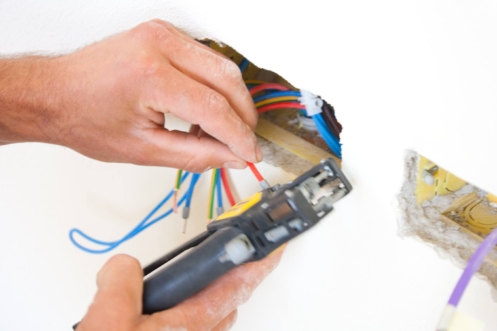
Technician's hands using wire strippers on colored electrical wires for home surge protection installation.

Safety is paramount when it comes to electrical systems. Our lives are intricately interwoven with electricity, which powers our homes, workplaces, and entertainment devices. However, this indispensable energy source can pose significant risks if not handled cautiously. This is where fuses come into play. These unassuming yet indispensable devices are silent guardians of our electrical safety.

Fuse Operating Principle: Overcurrent Protection

Imagine your bustling daily routine, with lights, gadgets, and appliances all working seamlessly in tandem. However, this harmony can swiftly devolve into chaos if the electrical current surpasses safe levels. This is where fuses step in as essential components. Fuses serve as a protective barrier against potential disasters arising from overcurrents.

They function as vigilant monitors, overseeing the flow of electricity. Fuses respond by employing a simple yet effective mechanism when an abrupt surge threatens to breach safety thresholds. An internal element, designed to melt under extreme currents, halts the circuit immediately. This rapid reaction prevents damage. Fuses are reliable safeguards, preserving the efficient and secure energy flow within your living space.

Critical Role in Fire Prevention

The haunting prospect of a fire engulfing your living space is a nightmare we all wish to avoid. And when it comes to electrical fires, the stakes are alarmingly high. In such cases, fuses take center stage symbolically and with tangible effectiveness. Fuses are like vigilant sentinels, standing guard against the danger of overcurrents. By swiftly responding to these abnormal energy flows, fuses ensure that overheating is nipped in the bud, preventing the potential spark that could lead to a catastrophic blaze.

In other words, fuses act as the immune system of your electrical setup, identifying aberrations and containing them before they escalate. A minor power surge could swiftly evolve into an uncontrollable inferno in a world without fuses.

Short Circuit Protection

Visualize your home’s electrical system as a coordinated mechanism, ensuring seamless energy distribution. However, when a short circuit occurs, it’s akin to an unforeseen disruption, rerouting the energy flow unpredictably. This diversion results in a sudden surge of potentially damaging energy, like a river overflowing its banks.

The consequences can be severe, ranging from harm to equipment to fire hazards. A fuse promptly intervenes with a keen awareness of impending danger, acting as a safeguarding checkpoint within the circuit. Its rapid response involves breaking the circuit, expertly diverting the hazardous energy away from vulnerable components. In doing so, fuses avert the looming disaster, ensuring the protection of your devices and your overall safety in the face of electrical disturbances.

Limiting Energy Release: Arc Flash Reduction

Arc flashes, characterized by forceful energy discharges, present substantial hazards in the electrical domain. In response to a fault initiating an arc flash, a fuse promptly engages, mirroring the actions of an experienced firefighter. Fuses effectively diminish the explosion’s intensity by rapidly constraining the energy release. This action prevents severe damage to both individuals and equipment.

Coordination With Circuit Breakers for Enhanced Safety

While fuses excel at addressing minor electrical issues by interrupting the circuit when overcurrents occur, circuit breakers are the heavy-duty counterparts capable of handling more considerable electrical faults. This dynamic duo forms a comprehensive defense strategy that covers a broad spectrum of potential hazards.

Fuses act as frontline protectors, swiftly reacting to abnormal currents to prevent further escalation. On the other hand, circuit breakers step in when more significant faults threaten the system, using advanced technology to isolate the problem area. This cooperative approach ensures that the entire range of potential electrical disturbances is met with an appropriate response, guaranteeing safety from all angles.

Selective Coordination in Safety

In electrical systems, achieving optimal functionality hinges on well-coordinated strategies. Engineered with meticulous precision, fuses respond accurately to predetermined overcurrent levels. This calculated approach ensures that only the specific fault-affected section is isolated, preserving continuous power flow to critical areas.

Consequently, this strategy averts extensive disruptions and bolsters the overall electrical system’s efficiency. Selectivity and selective coordination, with fuses as linchpins, offer a structured and controlled reaction to faults, constituting a robust defense against potential electrical irregularities.

Protection of Sensitive Electronics

In today’s technology-driven world, the universality of sensitive electronics is undeniable, encompassing everything from personal devices like smartphones to complex industrial control systems. However, these advanced components are inherently vulnerable to the havoc caused by overcurrents.

When an overcurrent event looms, the fuse takes swift action, interjecting to prevent irreparable damage to these valuable high-tech investments. By doing so, fuses shield electronics and preserve the efficiency and longevity of these indispensable tools in our modern lives.

Voltage Regulation and Transient Protection

Ensuring the longevity of your electronics hinges on maintaining stable voltage levels. Abrupt voltage spikes have the potential to wreak havoc on sensitive components, causing irreversible damage. Fuses indirectly contribute to a consistent and uninterrupted voltage supply through their ability to curtail overcurrents.

Furthermore, fuses act as guardians against transient disturbances by swiftly responding to voltage spikes and curbing their effects. This dual function shields your electronics from immediate harm and prevents the cumulative toll that voltage fluctuations can take over time.

Precision in Current Limiting

By permitting only essential currents to reach sensitive devices, fuses act as barriers against sudden surges that could harm or degrade electronics. This precision safeguards against potential wear and tear caused by irregular electrical currents over time. Through this meticulous control, fuses reaffirm their role as guardians of your electronic assets, upholding performance standards and prolonging the functional lifespan of these devices.

Inrush Current Management

Starting an electronic device triggers a rapid influx of current, akin to a surge of people entering a venue. This phenomenon, termed “inrush current,” can strain the device’s delicate components significantly. In this capacity, fuses transition into adept regulators. They proficiently oversee this abrupt current surge, alleviating stress on the device’s sensitive elements.

By effectively managing energy flow during startup, fuses avert potential damage that abrupt power surges might otherwise cause. This proactive intervention extends the operational lifespan of your electronics, protecting them from the potential wear and tear associated with uncontrolled inrush currents.

Thermal Protection for Temperature-Sensitive Devices

Fuses are designed to monitor and maintain devices within prescribed temperature thresholds. When the temperature inches perilously high, the fuse becomes an active guardian, stepping in to prevent thermal stress. Fuses effectively shield your electronics from potential overheating damage by promptly interrupting the circuit at elevated temperatures.

The meticulous temperature management not only safeguards the immediate operation of your devices but also contributes to their prolonged functionality, reinforcing fuses’ significance as safeguards against thermal-induced vulnerabilities.

Empowering Electrical Safety and Efficiency

As we traverse the landscape of electrical safety, one company stands as a stalwart protector: [company_name]. Beyond just keeping your home comfortable, our team excels at ensuring the safety of your electrical systems. From preventing overcurrents to shielding sensitive electronics, our expertise is unmatched. Our services extend far beyond fuses, encompassing heating, cooling, and electrical solutions. [company_name] is your go-to partner for a secure and reliable electrical experience in Charlotte, NC. Contact us today for more information, and embark on a journey toward a safer, more comfortable home.

How To Combat Rising Energy Costs in Charlotte, NC

Hand adjusting a smart thermostat displaying "SAVE" to promote energy efficiency and cost reduction in HVAC systems.
Hand adjusting a modern thermostat displaying "SAVE NOW," emphasizing energy efficiency and cost-saving measures for HVAC systems.

As energy costs continue to rise in the Charlotte area, many homeowners are feeling the pinch in their wallets. Duke Energy — the primary energy provider in the region — has recently requested a rate increase to cover the higher fuel costs they have incurred. This increase could mean that homeowners will have to pay significantly more for their energy usage in the coming months.

In response to this news, many people are wondering what they can do to combat these rising energy costs. One solution is to invest in energy-efficient home upgrades that can help to lower energy usage and reduce monthly bills. In this blog, we cover some of the most impactful updates you can make to your home.

3 Energy-Efficient Upgrades To Make to Your Charlotte Home

There are several updates that Charlotte homeowners can make that can help alleviate the financial strain of rising energy costs in their homes, including:

LED Lightbulbs

One of the easiest and most effective ways to reduce energy consumption is to upgrade to energy-efficient lighting. Replacing traditional incandescent lightbulbs with LED bulbs can reduce energy usage by up to 80%. Not only do LED bulbs use less energy, but they also last much longer than traditional bulbs, reducing the need for frequent replacements.

Updated Appliances

Another way to reduce energy usage is to upgrade to energy-efficient appliances. Many newer appliances are designed to use less energy while still providing the same level of performance. For example, upgrading to an energy-efficient refrigerator can save you around $300 in energy costs over its lifetime.

Programmable Thermostats

Installing a programmable thermostat can also help reduce energy usage. These thermostats can be set to automatically adjust the temperature in your home based on your schedule, ensuring that you are only using energy when you need it most. Some smart thermostat options even allow you to remotely control your HVAC equipment via an app on your smartphone, giving you even more control over your energy consumption.

Other Ways To Save on Rising Energy Costs

Along with making updates to your home, there are several other ways that you can combat rising energy costs. The following simple actions might seem insignificant but can actually go a long way in helping you cut unnecessary energy costs:

  • Turning off the lights when you leave a room
  • Unplugging electronics when they are not in use
  • Using natural light instead of artificial light whenever possible
  • Cleaning or replacing air filters as recommended
  • Using the right-sized burner while cooking
  • Air-drying dishes and clothes
  • Using smart power strips
  • Doing full loads in the dishwasher and washing machine
  • Keeping your house a little hotter in the summer and little cooler in the winter

Trust Acosta With Your Energy-Efficient Upgrades

Overall, rising energy costs can be a challenge for homeowners in the Charlotte area. However, by investing in energy-efficient upgrades and making simple lifestyle changes, you can reduce your energy usage and save money on your monthly bills.

Interested in making energy-efficient upgrades to your home? Acosta Heating, Cooling & Electrical can help! Our team offers a broad range of ENERGY STAR® rated appliances and fixtures perfect for helping Charlotte families save on rising energy costs.

Contact our team at [phone] to learn more about our energy-efficient upgrade optionstoday.

Are Ductless Systems a Good Investment for Rental Property Owners?

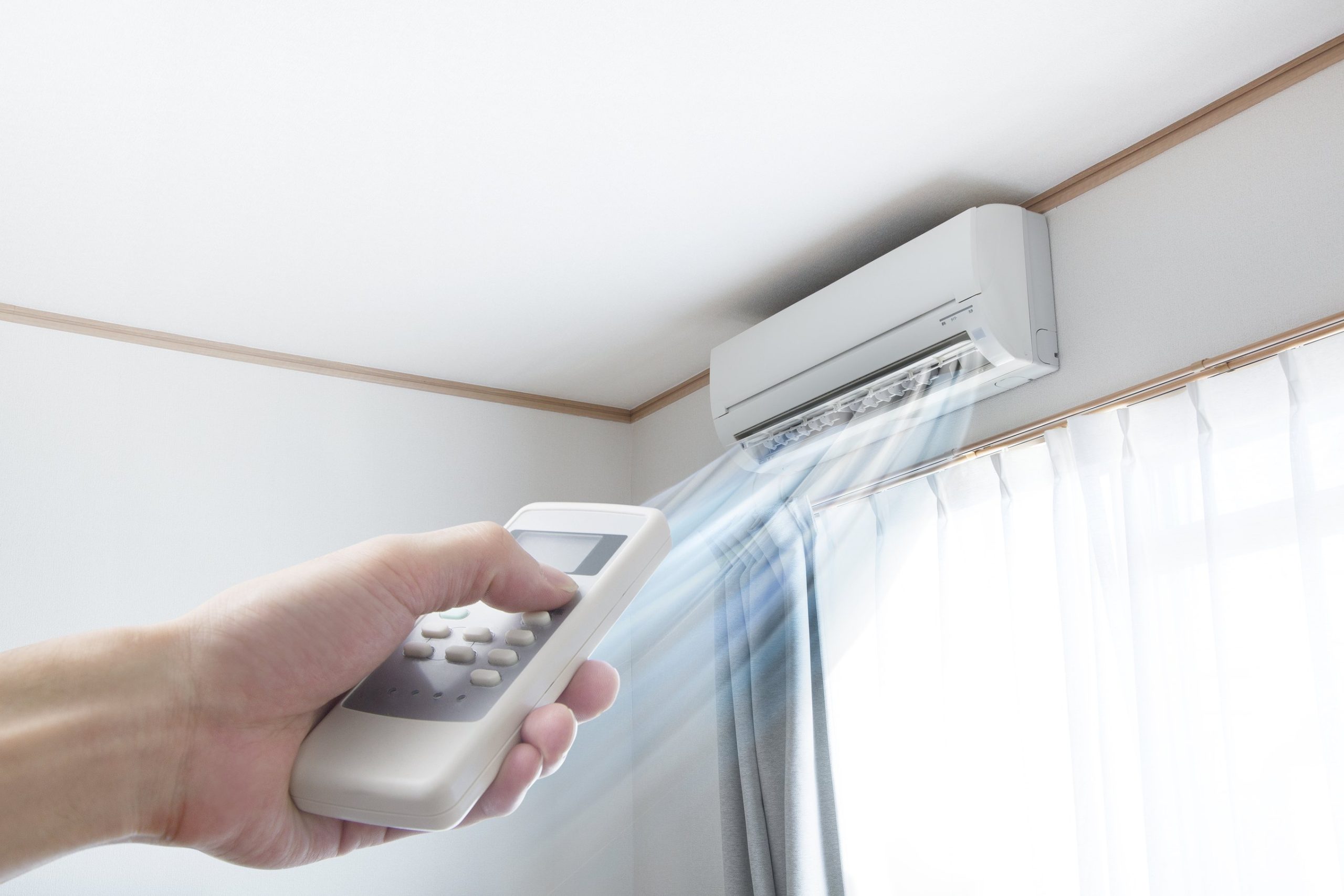
Hand holding remote control adjusting ductless mini-split air conditioner in a bright room with window curtains.
Hand holding remote control directing airflow from a ductless mini-split air conditioning unit, illustrating energy-efficient HVAC solutions for homeowners.

As a property owner, finding the right HVAC system that is both cost-effective and renter-friendly can be a challenge. You want an HVAC system that provides comfort to your tenants while also reducing your own utility costs.

One option that has become increasingly popular in recent years is ductless mini-splits. In this post, we’ll discuss whether installing a ductless mini-split system is a good investment for rental property owners.

What Are Ductless Mini-Splits?

Ductless mini-splits are an HVAC option that provide both heating and cooling and do not require ductwork. Instead, they rely on a small outdoor unit and one or more indoor units to distribute air throughout the space. Each indoor unit can be controlled separately, allowing for different temperatures in different rooms.

Ductless mini-split systems are energy-efficient and can be installed in a variety of different rental properties, including:

  • Single-family homes
  • Apartments
  • Commercial buildings

Benefits of Investing in Ductless Systems

There are several benefits to investing in a ductless HVAC system that property owners should consider, including:

Energy-Efficient

One reason ductless mini-splits are considered cost-effective is that they are more energy-efficient than their traditional counterparts. Using inverter technology, ductless mini-splits can adjust their output based on the temperature in the room. This means that they use less energy to maintain the desired temperature, resulting in lower utility costs.

Renter-Friendly

Traditional HVAC systems can be difficult for renters to control, especially if they are sharing the system with other tenants in the building. With a ductless mini-split system, each indoor unit can be controlled separately, allowing tenants to adjust the temperature in their own space to satisfy their personal comfort demands.

Space Savings

Since ductless mini-splits do not require ductwork, they take up less space than traditional units. This makes them ideal for smaller rental property spaces, such as apartments or townhomes.

Easy Installation

Installing a ductless mini-split won’t require any major renovations, allowing you to install them without disrupting your tenants.

Trust Acosta Heating, Cooling & Electrical With Your Ductless Mini Split Installation

Ductless HVAC systems are a great option for property owners throughout the greater Charlotte area. They are energy-efficient, easy to install, and provide individual temperature control for tenants.

If you are considering installing a new HVAC system in your property, Acosta Heating, Cooling & Electrical offers a broad selection of ductless mini-splits that may be the right choice for you.

Contact our team today at [phone] to learn more about the benefits of ductless mini-split systems and schedule an HVAC installationat your property!

Top 4 Outdoor Lighting Trends & Projects of 2023

Outdoor lighting illuminating a modern home with a pool and landscaped garden, showcasing stylish design elements and inviting ambiance for relaxation and entertainment.
Modern home exterior with outdoor lighting illuminating a landscaped pool area, showcasing a tranquil evening setting ideal for relaxation and entertainment.

As the warm weather arrives, many homeowners are eager to embrace their outdoor spaces and create inviting, functional areas for relaxation and entertainment. One powerful way to enhance the ambiance and functionality of your outdoor space is through outdoor lighting installation.

From illuminating pathways to accentuating architectural features, outdoor lighting trends have evolved to offer a myriad possibilities to homeowners. In this blog post, we’ll explore the latest outdoor lighting trends and showcase the types of projects homeowners can accomplish when working with an electrician.

Top 4 Outdoor Lighting Trends

Outdoor garden illuminated by modern lighting fixtures, showcasing vibrant landscaping with various plants and shrubs, enhancing ambiance for relaxation and entertainment.

The right lighting can transform your backyard into a cozy retreat or a vibrant entertainment space. With advancing technology and design innovations, outdoor lighting has become more versatile and exciting than ever before. Here are just a few of the top outdoor lighting trends to emerge in 2023:

Bolder Fixtures & Statement Pieces

Gone are the days of plain, utilitarian outdoor light fixtures. Homeowners are now opting for eye-catching designs that serve as focal points in their outdoor spaces. These bold fixtures can come in various shapes, sizes, and materials, adding a touch of personality to your landscape. From oversized lanterns to artistic chandeliers, there are endless possibilities to showcase your style and create a visual impact.

Smart Lighting for Convenience & Energy Efficiency

Technology has revolutionized the way we illuminate our homes, and the same holds true for outdoor spaces. Smart lighting systems allow you to control your outdoor lights remotely, adjust brightness levels, and even change colors to match the mood.

With motion sensors and times, you can automate your lighting to enhance security, save energy, and create a welcoming ambiance. Plus, the integration with voice assistants and mobile apps makes it incredibly convenient to manage your outdoor lighting.

Landscape Lighting for Drama & Dimension

Landscape lighting is an excellent way to highlight the beauty of your outdoor features while adding depth and dimension to your surroundings. By strategically placing lights along pathways, up-lighting trees, and accentuating architectural elements, you can create a breathtaking nighttime landscape. Subtle washes of light can evoke a soft and romantic atmosphere while well-placed spotlights can draw attention to specific areas, such as water features or sculptures.

Energy-Efficient & Sustainable Lighting Options

In line with the growing focus on sustainability, energy-efficient outdoor lighting options have gained popularity. LED lights are an excellent choice for eco-conscious homeowners due to their low energy consumption and long life span. Solar-powered lights are another sustainable option, harnessing the power of the sun during the day to illuminate your outdoor space at night. These options not only reduce your carbon footprint but also save on electricity costs in the long run.

Top 4 Outdoor Lighting Projects for Homeowners

Outdoor patio with dining table, comfortable seating, grill, and string lights under a wooden pergola, overlooking a scenic landscape with autumn foliage, illustrating inviting outdoor lighting design.

Now that we’ve explored some of the top outdoor lighting trends, let’s discuss the types of projects that homeowners can undertake to elevate their outdoor spaces this year:

Patio & Deck Lighting

Create an inviting atmosphere on your patio or deck by installing string lights, sconces, or pendant lights. These can be hung above dining tables, seating areas, or along the perimeter to define the space and provide a warm glow for evening gatherings and outdoor entertainment.

Pathway Lighting

Guide your guests with ease and style by installing pathway lights along your garden walkways or driveway. Solar-powered stake lights, low-voltage LED lights, or recessed fixtures can help illuminate the way and add an elegant touch to your landscape.

Water Feature Lighting

Enhance the beauty of your water features, such as fountains, ponds, or swimming pools, by incorporating underwater lighting or strategically placed spotlights. The interplay of light and water creates a captivating visual effect that will leave a lasting impression on your friends and family.

Outdoor Kitchen & Bar Lighting

If you have an outdoor kitchen or bar area, consider installing task lighting to illuminate food preparation areas, countertops, and grilling stations. Additionally, pendant lights or overhead fixtures can provide ambient lighting for comfortable dining and socializing.

Trust Acosta With Your Outdoor Lighting Projects This Year!

With the latest outdoor lighting trends, homeowners have an array of options to transform their outdoor spaces into captivating oases. Whether you prefer bold statement pieces, energy-efficient solutions, or smart lighting systems, there’s something for everyone to better enjoy their outdoor living areas.

If you’re ready to embark on an outdoor lighting adventure, look no further than Acosta for the help you need. Our team of experts is well-versed in outdoor lighting installations and can help you bring your vision to life.

Contact us today at [phone] and let us illuminate your outdoor space by scheduling outdoor lighting installationfor your Charlotte-area home!

Did Your Home Builder Install Your HVAC System Correctly?

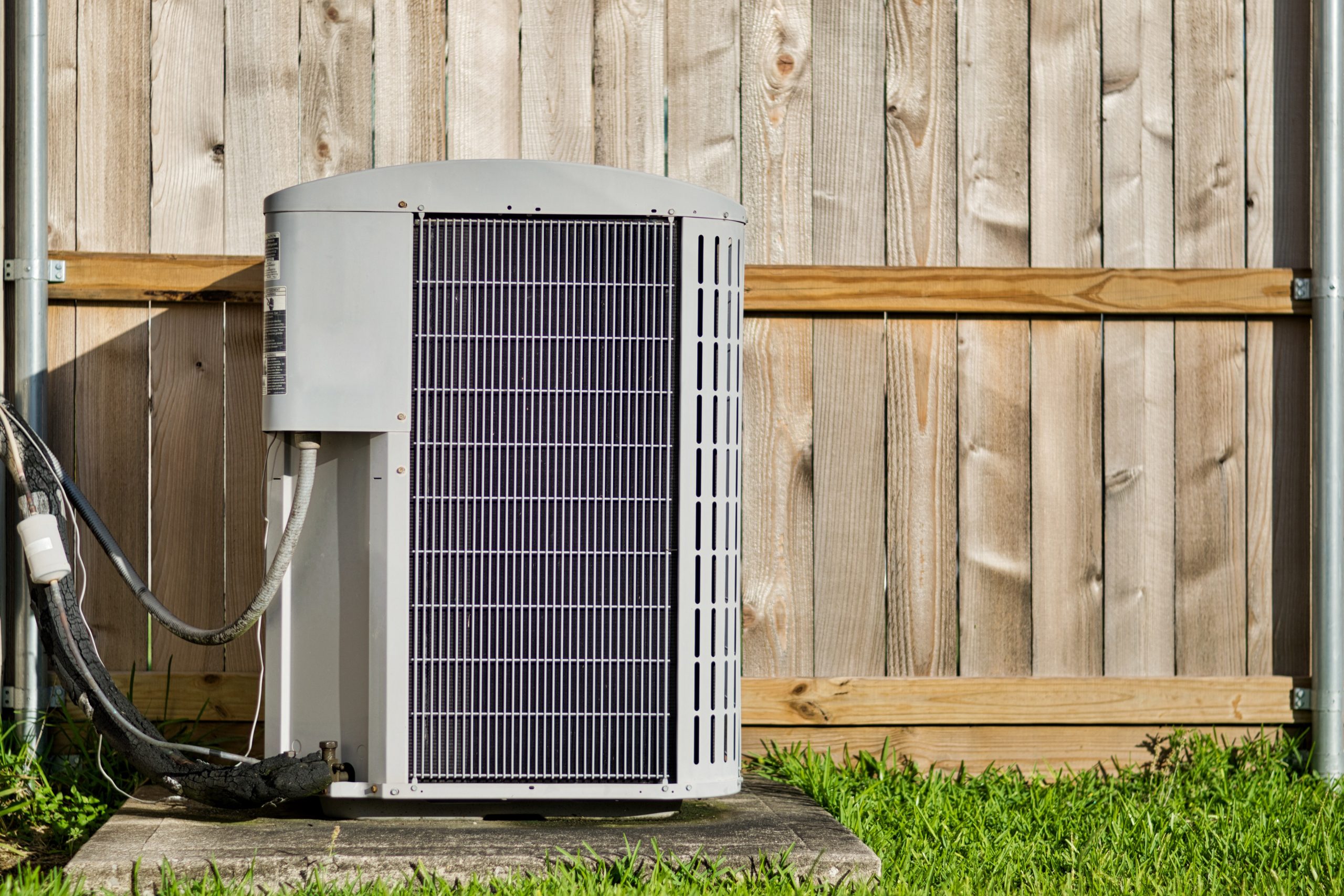
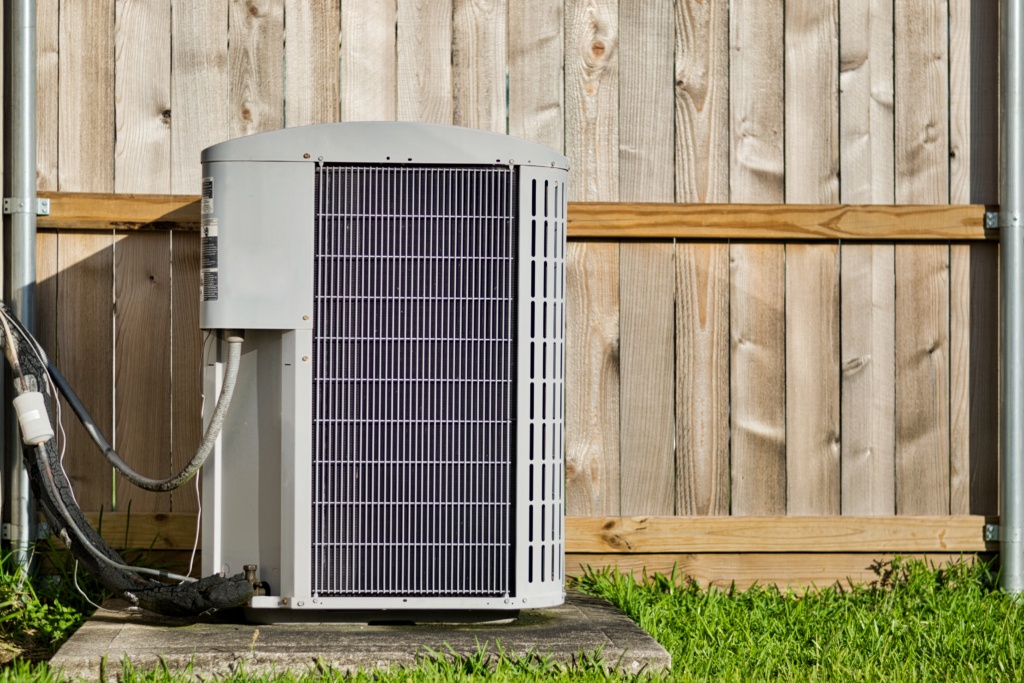
Outdoor HVAC unit installed near wooden fence, showcasing energy-efficient cooling solution for residential spaces.
Outdoor HVAC unit against wooden fence, showcasing energy-efficient cooling solution for residential spaces.

Building a new home is an exciting journey, filled with decisions and plans to create your dream living space. However, amid the joy of designing and constructing, there is a crucial aspect that many homeowners overlook: proper installation of their HVAC systems.

Unfortunately, some home builders may prioritize cost savings over quality, leading to subpar HVAC systems and improper zoning. In this blog post, we’ll provide guidance for how to identify these issues and what you can do to fix them.

Identifying HVAC Problems

There are several issues that homeowners may experience with their HVAC systems if they have been installed incorrectly. These include:

Uneven Temperature Distribution

One of the most noticeable signs that something is wrong with your home’s HVAC system is inconsistent temperature distribution throughout your home. You may find that certain areas are uncomfortably hot or cold, while others remain unaffected. This disparity indicates a zoning problem, when the heater or air conditioner fails to properly regulate temperature across different zones throughout the home.

High Energy Bills

If your energy bills remain unexpectedly high despite efforts to conserve energy, it could be an indication that your HVAC units are not functioning optimally. Improper installation, incorrect sizing, or inadequate insulation can lead to inefficient heating and cooling, resulting in excessive energy consumption and increased costs.

Noisy System Operation

Unusual or excessive noise coming from your furnace, air conditioner, or heat pump can signal a problem. Rattling, grinding, or loud blowing sounds could indicate ductwork issues, improper system installation, or a mismatch between the HVAC unit and the home’s comfort requirements.

Inconsistent System Airflow

Insufficient airflow or weak ventilation in certain areas of your home may suggest a zoning issue. If some rooms or floors feel stuffy while others have an excess of airflow, it’s likely that the HVAC system’s distribution is flawed due to an improper installation technique.

Constant Short Cycling

If your HVAC unit frequently turns on and off, it may be a sign of incorrect system sizing. Oversized units tend to cycle more frequently, leading to reduced efficiency, increased wear and tear, and higher energy bills.

Solutions to HVAC Zoning Issues

If you’ve noticed the signs of improper HVAC installation affecting the comfort levels in your newly built home, there are several steps you can take:

Schedule a Professional Inspection

It’s recommended that you hire a licensed HVAC technician to evaluate the system thoroughly as soon as you suspect HVAC issues in your new home. These professionals can identify installation flaws, assess system sizing, inspect ductwork, and pinpoint any other deficiencies that may be affecting your HVAC performance.

Communicate With the Builder

If your HVAC system is not performing as expected, contact the builder or contractor responsible for the installation. Share your concerns and document any visible issues or symptoms you’ve noticed. In some cases, the builder may rectify the problem, especially if it falls under warranty or contractual obligations.

Upgrade Your HVAC System

Depending on the extent of the HVAC issues, you may need to consider replacing your system. A professional HVAC contractor can assess the specific requirements of your home and recommend appropriate modifications. This could include adjusting ductwork, adding zoning controls, or installing energy-efficient components.

Proper Maintenance & Service

Regular maintenance is crucial for ensuring the longevity and optimal performance of your HVAC system. Schedule professional maintenance at least once a year to clean, inspect, and tune up your heating and cooling units. This proactive approach can help identify and address any issues before they escalate further.

Educate Yourself on HVAC

Understanding the basics of HVAC systems can empower you as a homeowner. Research reputable sources, attend informational workshops, or consult with HVAC professionals to familiarize yourself with key concepts and best practices. This knowledge will help you make informed decisions and communicate more effectively with contractors and builders.

Trust Acosta With Your HVAC Installation Projects

When constructing a new home, make sure your home builder doesn’t overlook your HVAC system. By familiarizing yourself with the signs of HVAC problems, you can catch performance issues early and take appropriate action.

If you’re building a new home in the Charlotte area and are seeking expert HVAC installation for your project, look no further than Acosta Heating, Cooling & Electrical for the professional assistance you need. Our team has years of experience assisting with heating and air conditioning installations for new construction projects in the Carolinas. From ductless AC systems and furnaces to heat pumps and smart thermostats, we have the top-quality products you need and years of unparalleled expertise to install them correctly.

Request HVAC installation or replacement servicesfrom Acosta by calling our team at [phone] today!

Should You Unplug Your Electronics During a Thunderstorm?

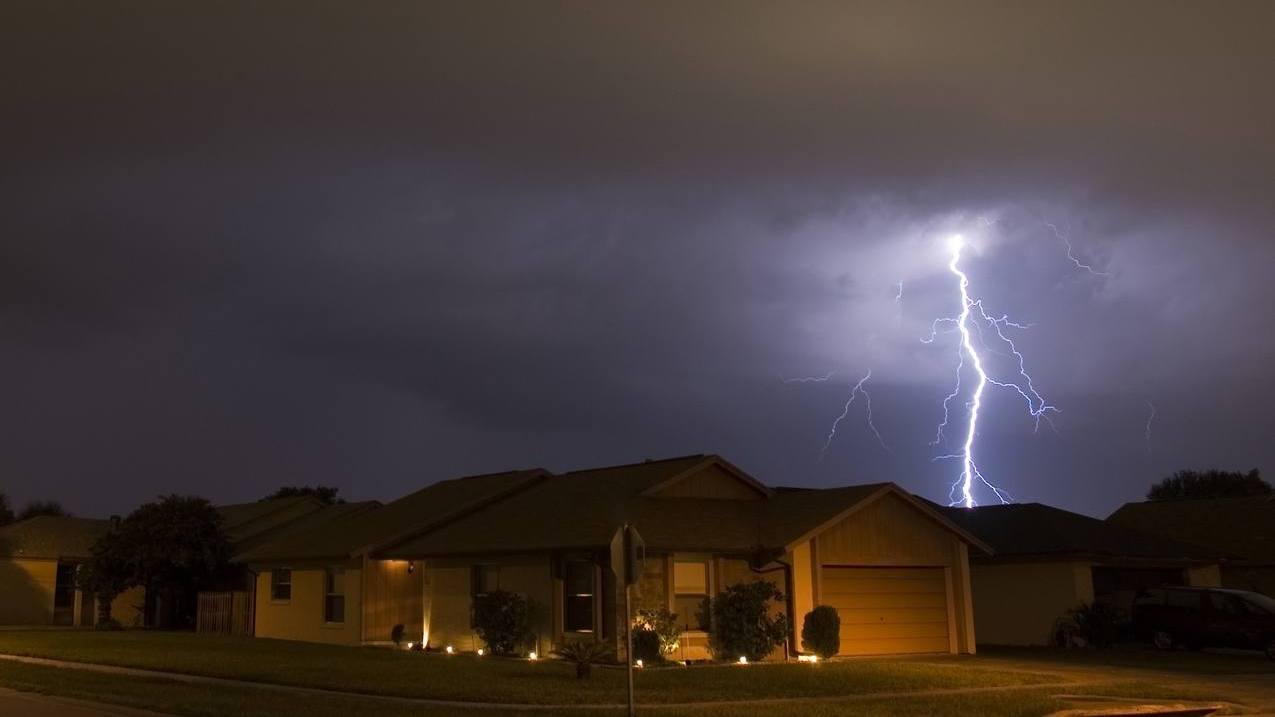
Lightning striking a house during a thunderstorm, showcasing stormy skies and illuminated clouds, relevant to HVAC safety during severe weather in the Carolinas.
Lightning striking a house during a thunderstorm, emphasizing the importance of safety and protection for electronics in the Carolinas.

Love them or hate them, thunderstorms are a natural part of life here in the Carolinas, especially during the spring and summer. As the seasons shift and we prepare for stormy weather, many families may be wondering whether they should unplug their electronic devices during a thunderstorm.

In this blog, we help homeowners understand the risks that thunderstorms can pose to their electronics and personal safety.

Safety First: What To Do When a Storm Strikes

While TVs, computers, and cellphones might be prized possessions, they’re nothing compared to your own personal safety. The number one priority during a thunderstorm should always be to seek shelter. Lightning strikes generate roughly 15 million volts of electricity and can reach temperatures as high as 50,000º F. For this reason, it’s best to stay out of harm’s way by remaining indoors during a heavy storm.

Lightning can travel through your home’s electrical system with ease, which is why it’s strongly recommended that you refrain from using plugged-in devices during a storm. These include things like landline phones or desktop computers. Also, avoid direct contact with plumbing as this can be an electric conduit. Do not bathe or take a shower; water is still an electrocution risk even when indoors.

Devices at Highest Risk During a Thunderstorm

It’s not always realistic to unplug every electronic device before a thunderstorm hits. However, by planning ahead and understanding which devices are at the highest risk, you can prevent lasting damage from disrupting your daily life after the storm passes.

The following are just some of the devices you should consider unplugging during a thunderstorm:

  • Coffee makers
  • Desktop computers
  • Gaming consoles
  • Hair dryers
  • Landlines
  • Microwaves
  • Smart appliances
  • Toasters
  • TVs

Essentially, any electronic device that is plugged in, has wiring, or contains a microprocessor is at risk during a thunderstorm because lightning strikes near your home can cause electrical surges that overload and damage them. Unplugging everything can be a hassle, but fortunately, there’s a better way to protect your electrical devices. Whole-home surge protection will prevent your valuable electronics from damage due to surges.

Prevent Against Damage With Whole-Home Surge Protection

One of the biggest threats to your electronic devices during a storm is a power surge. This happens when a voltage increase disrupts the electric current to your house, causing a brief interruption to your power supply. Depending on the source of the surge, device damage can range from insignificant to severe. Surges caused by lightning have the potential to shut down major appliances like refrigerators, laundry machines, and even HVAC systems.

While nothing can protect your devices against a direct hit of lighting to your home, lighting strikes in the area still pose a large risk to your devices. To protect them against electrical surges, invest in a whole-home surge protector. These devices are installed directly into your home’s electrical panel and offer downstream protection on all connected electronics. Unlike power strip surge protectors, whole-home surge protectors are equipped to handle high-surge events like lightning strikes, offering greater protection for all your devices.

Choose Acosta for Whole-Home Surge Protection Services

Charlotte families looking to prepare for seasonal thunderstorms with whole-home surge protection can turn to Acosta Heating, Cooling & Electrical for the solutions they seek. Our master electricians offer whole-home surge protection solutions perfect for keeping your devices safe through the storm.

Call our team at [phone] to request whole-home surge protection installationin the greater Charlotte area today!