
Lauren Acosta with Dave Lennox offering Charlotte homeowners the best in heating and cooling. Watch this video and find out more about getting up to $2,000 in rebates and special financing for 18 months, subject to credit approval.
Category: Air Ducts
Uneven Cooling? Air Ducts Could Be the Problem
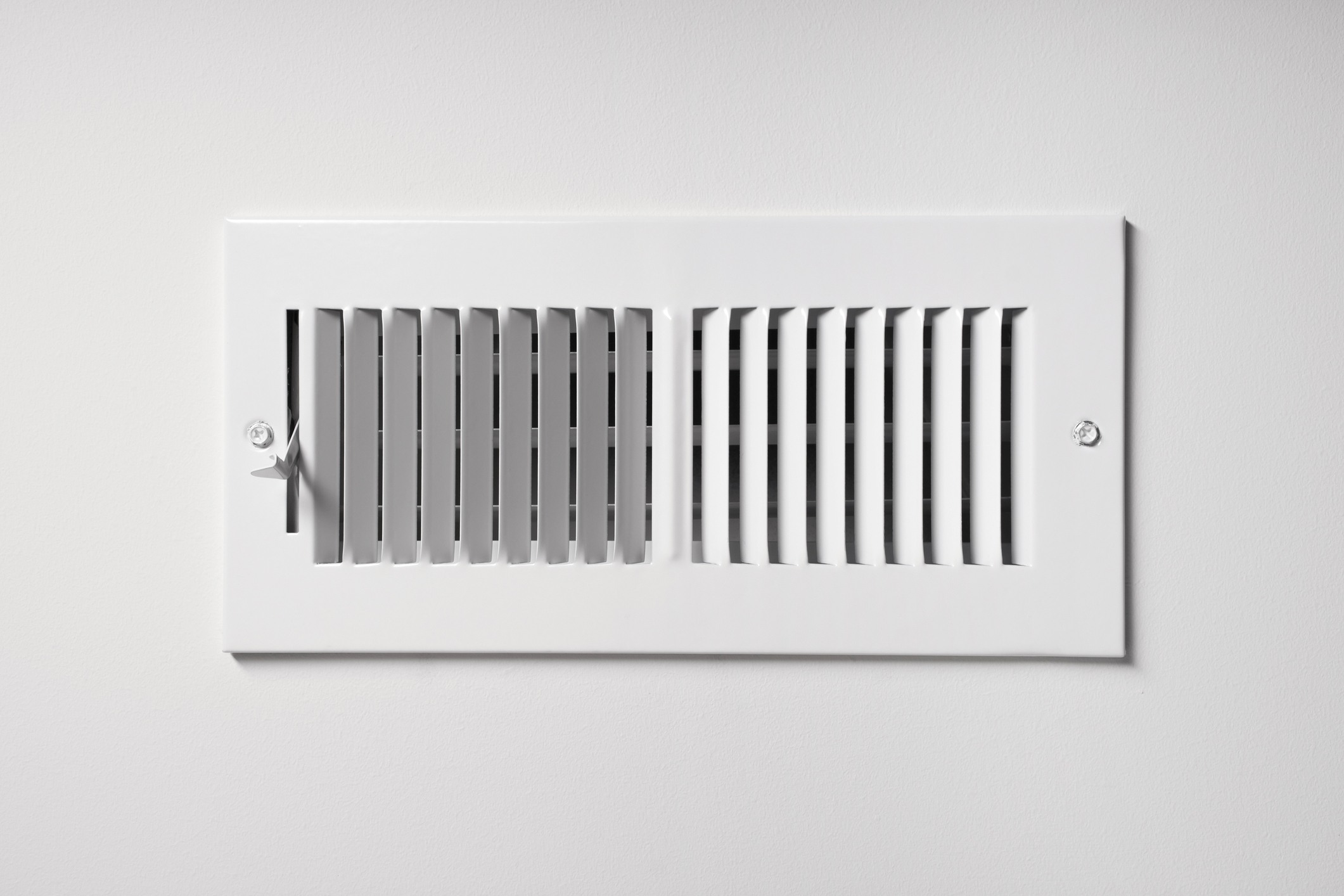
How To Fix Uneven Heating & Cooling in Your House
One way to look at your HVAC installation is as a very large air circulation system, with the ductwork forming a critical pathway for air traveling in and out of your home’s interior. The main unit heats or cools the air and sends the conditioned air into the supply ductwork toward rooms in your home. The air exits the supply ductwork and heats or cools the area, then is drawn back into the HVAC system by return air ducts. The expended air flows back to the main unit, where it’s filtered, reconditioned, and sent out again.
To function properly, your air conditioner, furnace, or heat pump needs adequate amounts of unobstructed airflow at all points in the system. Most homes have plenty of supply ducts to send heating or cooling into their indoor environment, but just as many lack enough return air ducts to bring air back to the HVAC unit to be reused. This can cause a reduction in indoor comfort, creating uneven levels of heating or cooling throughout your home.
[cta_buttons phone=”7046655998″ link_text=”704.665.5998″ link=”/contact/” button_text=”CONTACT US”]
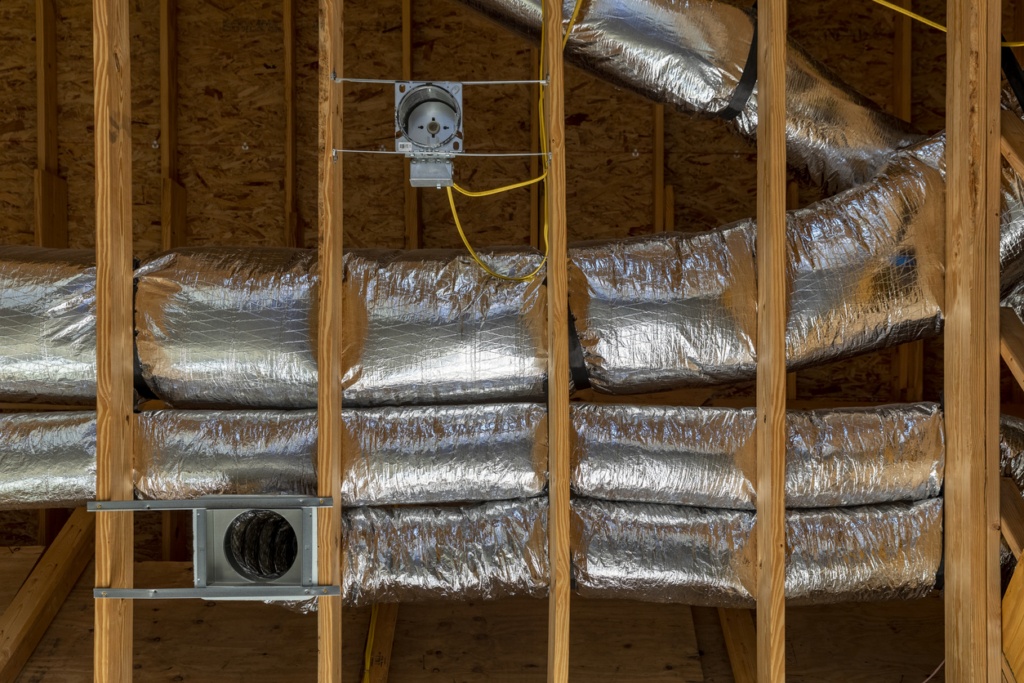
Ensure Your HVAC System Has Enough Return Air Ducts
The key step to solving the problem is to make sure there are enough return air ducts for your HVAC system. Your local trusted HVAC contractor can help you determine how many returns you need. Your technician may suggest a multiple-room system in which a return duct is installed in each room that also has a supply duct. These systems are very efficient, but they can be costly.
What Is a Central Return System?
An economical alternative is a central return system. Here, return air ducts are connected to return grilles in central areas of your house, such as hallways, stairwells, ceilings, or main rooms. Each room in the house also has a jumper duct or transfer grille connected to the central return duct. This configuration provides plenty of airflow between rooms and back into the system for recycling.
Get Your Uneven Air Flow Fixed in Charlotte With Acosta
Acosta Heating, Cooling & Electrical has been a trusted source of professional heating and air conditioning services to customers in Charlotte and surrounding areas for over 40 years. Contact us today for more information on return-air duct efficiency, to get an estimate on a return duct expansion, or to schedule a duct renovation appointment.
Elements of a Well-Designed Duct System
As a homeowner, you’re likely to think that your duct system is not as important as your heating and cooling equipment. But it is. That’s because a well-designed duct system can boost the efficiency and comfort potential of your HVAC equipment—significantly.
You see, your HVAC equipment relies heavily on your ductwork to deliver the heated and cooled air that it generates. If your duct system’s design is under par, your comfort and efficiency can be greatly hindered—no matter how efficient your system is.
To develop a well-designed duct system that will efficiently deliver conditioned air and boost your home comfort, it should:
- Meet the heating and cooling load of individual rooms, which is calculated using the Manual J method
- Be properly sized, using Manual D
- Minimize air leaks with a tightly-sealed system that keeps conditioned air inside of the ductwork
- Balance the return-air and supply-air portions of the duct system, so that the home remains at a neutral pressure
- Reduce temperature gains and minimize temperature losses as the air moves through the supply and return ducts.
- Install registers where they are not blocked by room furnishings
- Supply outlets located away from return outlets so air will not short cycle
- Utilize a return grille on each floor of a two-story home
- Plan for a return duct in rooms with doors
Provide adequate insulation for ductwork that runs thru unconditioned spacesWith these design principles in mind, your duct system can optimize heating and cooling equipment operations, boosting efficiency to expected levels and ensuring a comfortable home while minimizing hot and cold zones.Enlist the help of an expert to design your duct system for optimal results. Proudly serving homeowners in the greater Charlotte area for over 40 years, Acosta Heating, Cooling & Electrical is happy to help you design a new system, or retrofit your existing one. Just give us a call today! With our expertise and expert training, you can rest assured that we’ll get the job done right the first time.
Are Ductwork Leaks Costing You Money and Comfort? Five Signs to Look For
Ductwork is the network of large pipes, that distribute heated or cooled air throughout your house. Ductwork leaks can cause even the best furnace, heat pump or air conditioner to function poorly and inefficiently.
Since the ductwork carries all of the air that keeps your home comfortable in each season, loose connections, unsealed gaps or other ductwork leaks can cause substantial air and energy loss. Up to 20 percent of the air in the ductwork can be wasted because of these leaks, which quickly adds up to a lot of money spent conditioning air that never gets used. In some cases, leaky ductwork can cause a danger to you and your family if harmful gases such as carbon monoxide are not properly vented to the outdoors.
Watch carefully for any of the following five signs of leaky, damaged or inefficient ductwork:
1. Abnormally high heating or cooling expenses or spikes in your bills that do not correspond to increased usage or outdoor temperatures
2. Problems heating or cooling particular rooms or areas appropriately
3. Noticeable air escaping around the side or edges of the fan section and or ductwork in attics or crawlspaces
4. Noticeable damage to sections of ductwork
5. Ducts installed in unconditioned or poorly conditioned locations, such as garages, unfinished or uninsulated basements or attics, or crawl spaces
By finding and sealing any leaks in your ductwork, you’ll see immediate savings on your monthly heating and cooling expenses. Contact your local trusted HVAC contractor for a professional duct sealing. HVAC experts can mechanically attach ductwork sections to each other for a better seal. They can also test for proper airflow and the presence of any harmful gases or fumes.
Acosta Heating, Cooling & Electrical has been a trusted provider of professional heating and air conditioning services to customers in Charlotte and surrounding areas for 40 years. Contact us today for more information on reducing ductwork leaks and improving indoor comfort through proper sealing.
The Ductless Mini Split: An Innovative Solution for a Unique Situation
A ductless mini split could be the solution to your home’s unique heating and cooling situation. One of its main advantages is that a mini split doesn’t require ductwork to operate, extending installation options beyond where ductwork is located and often minimizing costs, too.
There are several other distinct advantages to using a ductless mini split, including:
- Flexible installation – You can install as many as four indoor air handlers, which gives you the ability to select four spaces to receive heating and cooling. A separate unit is installed outdoors, and a central conduit connects the indoor and outdoor units. The outdoor unit will need to accommodate drainage, but it can be located up to 50 feet away from the indoor units. To install the air handlers, your technician will need only to drill a small hole to run the conduit, requiring minimal adjustments and construction to your home.
- Zoned heating and cooling – Each indoor air handler is controlled by its own thermostat, so you can effectively provide zoned heating and cooling to the spaces. With the ability to increase cooling, for instance, to a ductless mini split located in an enclosed porch, you can provide as much cooling as necessary to that space, without also increasing cooling to other spaces in your home—spaces that don’t need more cooling.
- An efficient system – Heating and cooling systems that rely on forced air through ductwork are susceptible to high energy losses. Because ductless mini splits don’t rely on ductwork, you’ll get a more efficient heating and cooling process.
- Lower installation costs – Extending and retrofitting ductwork is a costly endeavor, and mini splits bypass that cost. However, to ensure optimal results, you’ll want to hire an expert who’s familiar with mini splits, as their location and size will dictate efficiency and performance.
A ductless mini split is an efficient, flexible solution to your home heating and cooling needs. For more information, contact Acosta Heating, Cooling & Electrical, serving the Greater Charlotte area as a local, family-owned company since 1972.
Boost Your Heat Pump System’s Performance With 3 Insider Tips
According to research from Energy Star, 50 percent of all heat pumps have significant problems with leaky air ducts, inadequate airflow and incorrect refrigerant pressure. These factors affect the performance of your heat pump system, making it work harder and use more energy.
Your HVAC technician can improve the performance of your heat pump system by performing these tasks and checks:
- Check the refrigerant charge and correct it, if necessary.
- Make sure the duct system is properly sealed, clean and insulated.
- Check the airflow and fan speed.
If you have an annual maintenance plan, your technician can check the ducts, airflow and refrigerant on his next visit. If you hear noises in your ducts or coming from the blower, you should call for service right away.In addition to the maintenance performed by your HVAC technician, there are a few things you can do to improve airflow and performance of your heat pump system:
- Make sure there is no furniture blocking vents and air returns.
- Vacuum dirty vent and air return covers.
- Change air filters regularly.
Homeowners in the Charlotte, North Carolina area can call Acosta Heating, Cooling & Electrical for guaranteed service and maintenance by trained technicians. For your peace of mind, we offer maintenance and service plans to ensure that your system is always operating at peak performance.
Duct Sealing Helps Manage Unruly Energy Bills
Furnaces, central air conditioners and heat pumps use a series of ductwork to transport heated and cooled air to every room of your home. In most homes, as much as 15 to 20 percent of this air is lost through leaks in the ductwork. You can prevent these leaks by having professional duct sealing completed.
Here’s a look at four benefits of duct sealing.
1. Lower energy bills:
When conditioned air escapes into the attic or garage through which your ductwork is traveling, your energy bills go up. Therefore, by sealing these gaps, you enjoy more of the air that you paid to heat or cool. You might even be able to downsize your heating and cooling equipment to a unit that is smaller and less expensive to operate, saving you even more on your energy bills.
2. Improved comfort:
Many homes have comfort issues that involve some rooms being too hot in the summer or too cold in the winter. The problem is most likely that leaky ducts are wasting air on the way to these rooms. Sealing ductwork ensures that every room is kept at a more constant, comfortable temperature.
3. Better indoor air quality:
Air can certainly escape through gaps in ductwork, but air from unconditioned spaces can also be picked up. This brings dusty air, particles from insulation, fumes and odors into your home. Seal these leaks and prevent your air quality from deteriorating.
4. Environmental responsibility:
The production of electricity is a huge contributor to global warming. You can do your part by having duct sealing done and conserving energy as a result. This is certainly a step in the right direction.
For more information about duct sealing, please contact Acosta Heating, Cooling & Electrical. We’re happy to answer your heating and cooling questions, and offer to our expert advice and services to Charlotte-area residents.
Neat and Tidy Ways to Keep Your Indoor Air Dust-Free
When you close up your home against seasonal cold or heat, you also reduce the amount of ventilation and fresh air getting to your living spaces. In this restricted environment, the amount of dust in your indoor air could increase. You could see more dust on your shelves and furniture, and may experience dust-related aggravation of allergies, asthma or other respiratory conditions.
Keeping your indoor air dust-free requires some extra attention and effort, but the results can be fresher air in your home and a more comfortable living area. Here are some tips for reducing the amount of dust inside your home.
- Remove clutter – Shelves full of souvenirs, figurines, or other small items attract dust and make it difficult to clean them and the shelves they’re on. Pack some of these items away and keep shelves accessible for easy dusting. Display special items inside a closed glass case or shelf.
- Clean electronics – Televisions, computers, DVD players, stereos and other home electronics readily attract dust, so clean them often, front and back.
- Wipe down appliances – Refrigerators, clothes dryers and other appliances quickly accumulate dust behind and on top of them, and on their back panels. Wipe these areas clear of dust regularly. Keeping these items dust-free will increase their useful life.
- Clean, dust and vacuum bedrooms – Dust is produced in part by our dead skin cells, and by tiny particles and fibers from our clothing, blankets and bed linens. Dust and vacuum your bedroom at least as often as you do your living room.
- Clean soft furniture – Carpets, curtains and upholstered sofas and chairs accumulate a lot of dust. Clean and vacuum these items regularly.
- Use a system – When cleaning and dusting, be methodical and use a system that covers every area in the room. For example, dust from one side of the room to the other, then vacuum in the same sequence.
For 40 years, Acosta Heating, Cooling & Electrical has been providing professional HVAC services to customers in Charlotte and surrounding areas. Contact us today for more information on reducing dust, increasing your home’s ventilation and improving indoor air quality.
Minimizing Energy Loss in the Ductwork of Your New or Older Home

Your ductwork is the network of large metal pipes that carries heated or cooled air from your furnace or central air conditioner to points throughout your house. Because all of the conditioned air in your home travels through the ductwork, there is an increased chance of energy loss within the system. Whether your home is older or has been newly built, there are effective ways to minimize energy loss in the ductwork.
Design
Your duct system must be designed to fit within the space available. It must also be able to supply sufficient amounts of conditioned air to all parts of your home. “Radial” and “trunk and branch” designs are among the most common. Too many “Y” branches or damaged ducts can cause poor performance. Design factors are easier to address during new construction, but even in older homes, ductwork can be rearranged for better efficiency.
Sealing
The entire ductwork system must be thoroughly sealed to prevent air leaks and energy loss. Ductwork sections should fit tightly together with adjoining sections, particularly at elbows and joints. Seal all connections with mastic, a specialized sealant for use on ducts. Taping does not last and is no longer an approved method.
Insulating
Ducts should be well insulated since energy can be lost through the relatively thin metal of the ductwork itself. Affix rigid fiber board insulation to external surfaces of the ductwork to prevent this energy loss.
Sizing
Ducts must be correctly sized to be effective and prevent energy loss. They must be big enough to carry and distribute enough heated or cooled air to the farthest points of the duct network. If your ducts are too small, they will restrict airflow within the system.
Placement
Place ducts in conditioned and insulated areas of the home where possible. Running ductwork through garages, crawl spaces, or unfinished basements or attics increases the possibility of energy loss.
For 40 years, Acosta Heating, Cooling & Electrical has been providing professional heating and air conditioning services to customers in Charlotte and surrounding areas. Contact us today for more information ductwork sealing, insulation and design, and for additional information on reducing energy loss throughout the system.
Heating Efficiency: Four Ways to Help Your Furnace and Ductwork Do Their Job
If solutions existed that could maximize your heating efficiency, wouldn’t you want to know about them? Acosta Heating, Cooling & Electrical mission is to help homeowners stay comfortable and save money, and we don’t “hide” industry secrets from homeowners — we help them. With that in mind, here are four of our best tips to help you optimize the efficiency of your heating system for the ultimate in energy savings.
The ductwork in your home is prone to losing energy. Because it is comprised of a series of connected pipes, these connections can and will loosen over time. In fact, ductwork can lose up to 30 percent of conditioned air that travels through it, and is known as one of the most common contributors to energy losses, so taking action here can translate into significant savings.
The ducts in most homes should have dampers that you can manually adjust. Optimizing the position of the dampers will allow more or less air into your home. If you have rooms that are overly hot or cold, you can avoid energy losses by adjusting the dampers to provide precise amounts of heated air into each space.
The state of your return grilles is just as important as supply ducts. In fact, they are critical to creating an exact amount of return airflow back into the furnace to keep it running efficiently. In general, homes tend to have insufficient returns, so have a professional assess your home’s returns and make necessary adjustments.
Once your ducts are sealed, dampers adjusted, and cold-air returns upgraded, it’s time to work some magic with the thermostat. Setting the temperature low enough while maintaining comfort is a delicate balance, but you can expect, as a rule of thumb, a savings of one percent on energy bills if you turn down the thermostat by just one degree. Higher setbacks, obviously, get higher savings.
Level the playing field for heating efficiency by sealing ducts, using dampers, ensuring airflow return. Then, let your thermostat do the work! In the Greater Charlotte area, contact Acosta Heating, Cooling & Electrical for help with all of your home needs.