How to Maintain Your HVAC System During Vacation Season

Man adjusting a smart thermostat on a wall, showcasing HVAC maintenance and home comfort solutions.

One of the best ways to relax on a summer vacation is knowing that your home will be safe while you’re away. Part of your vacation planning needs to include getting your HVAC system ready to operate when no one is home. You can take several proactive steps to ensure that your HVAC system will run efficiently and not damage your home if you go away on vacation.

Can You Turn Off the HVAC for an Extended Period?

To save on your electric bills, your initial instinct might be to turn your HVAC off entirely for your vacation. Before you go down that path, you have to think about how hot it might get while you’re away. In Charlotte, NC, the average temperature highs during the summer season range between 86 and 90 degrees Fahrenheit. In a home that is closed up for vacation and without cool air circulating, those high temperatures could trigger all kinds of problems.

For instance, without air conditioning running in a hot home, there could be a risk of elevated humidity and stagnant air, which are the perfect conditions for mold to flourish. If you grow plants indoors, your home’s HVAC systems are vital in keeping them healthy and vibrant. Perishable products and certain electronics might also be a target of pest incursions in stagnant air. These are some of the important reasons why you should leave your HVAC systems on during your vacation.

The Department of Energy recommends keeping your thermostat set between 80 and 85 degrees if you are going on vacation for five days or longer. Running your air conditioning at that level will help keep the humidity inside your home at safe levels.

Prepping Your HVAC System for a Vacation

There are several tasks you can add to your vacation prep list that directly relate to prepping your HVAC systems. Consider the following.

Upgrade to a Programmable Thermostat

The most energy-efficient way to manage your home’s temperature is with a programmable or smart thermostat. These devices allow you to set up a customized schedule for your air conditioning while you’re away. You can set different temperatures for your air conditioning to turn on throughout the day.

The smart thermostat also provides the current temperature in your home. You can check that on the smartphone anywhere you have a Wi-Fi signal. That means you can make adjustments, especially on hot days in Charlotte. This technology helps maintain a home’s living environment and saves money.

Adding a smart thermostat is not a DIY task. If you are unfamiliar with your wiring, you could cause a severe repair problem. Instead, our experienced comfort consultants working for Acosta Heating, Cooling & Electrical should handle upgrading to a smart thermostat. They will be in the best position to recommend the correct device for your home’s size. They will also have it properly installed to fully integrate with your current HVAC system.

Establish a Maintenance Tune-up

It’s a good idea to schedule a maintenance check for your HVAC system with those same comfort consultants. That tune-up will ensure that your HVAC system is operating as it should without any added strain. If there is a potential problem, then it can be corrected in the same appointment. That tune-up provides peace of mind that allows you to enjoy your vacation. It can also minimize the risk of coming home to an unexpected system failure.

Change Air Filters

Clean air filters help increase airflow throughout your home, improving energy efficiency and indoor air quality. This will reduce the risk of allergy-triggering pollutants accumulating in your home while you’re away on vacation. To achieve all those benefits, it would be best to change the air filters before you leave.

Have the Ductwork Inspected


Regular ductwork inspections help you maintain a well-functioning HVAC system. That translates into lower electricity bills and extending the lifespan of your HVAC. A duct leak or other obstruction can trigger problems with the airflow from your HVAC. This is another task to turn over to our experienced comfort consultants at Acosta Heating, Cooling & Electrical. It’s recommended that ductwork be inspected at least once a year. Before you leave on your vacation is the perfect time for that inspection.

Clean Vents and Registers

Another helpful task to take on before you go on vacation is to clean the vents and registers that are part of your home’s HVAC system. Clean vents support efficient airflow. When dust and debris build up on the vents, they can obstruct airflow throughout the home, straining your air conditioning. Clean vents also reduce the likelihood of dust and dander flowing into your home’s air.

Additionally, it would help if you kept all the vents in your home open to prevent an imbalance of pressure. The same can be said for your bedroom doors. Keep them open to promote good air circulation. That is another way to prevent added strain on your HVAC system and keep it running efficiently while you’re on vacation.

Keep the Curtains and Blinds Closed

Before you leave for vacation, you should close all the blinds and curtains in your home. This is a quick task that helps maintain an even interior temperature by blocking out the sun’s rays. That can help improve energy usage. It also shields your furniture and rugs from UV rays and provides added security.

Clean Debris From the Outside Unit

If your HVAC system has a unit that is located outside of your house, you want to make sure it’s clear of debris like leaves, weeds, and overgrown grass. Ideally, you should have at least 2 feet of clear space around the entire unit. You can also use a vacuum with a soft brush attachment to clear out the dirt and dust that has built up on the condenser fins. A final spray with a garden hose will make sure the unit is completely clean.

Returning Home

When you get back home, you might be tempted to crank up your air conditioning to chill down the house. That can put a strain on the system that has been operating at minimum levels while you were away. Instead, take a gradual approach to lower the temperature in your home. If you have your smart thermostat in place, you can make the adjustments when your plane lands.

Schedule Your HVAC Maintenance

Acosta Heating, Cooling & Electrical has been helping homeowners in Charlotte, NC, maintain their HVAC systems since 1972. Our founder, Zeke Acosta, had a simple philosophy: “Do more for the customer than is expected of you.” We bring that philosophy to every service call. In addition to the support we can provide to get your HVAC ready for your vacation, we can help with a complete range of electrical services, including repairs, upgrades, and installation.

Before you head off on vacation, call in our comfort consultants at Acosta Heating, Cooling & Electric to get a tune-up for your home’s HVAC system.
What To Know about Electrical Wiring in Older Homes

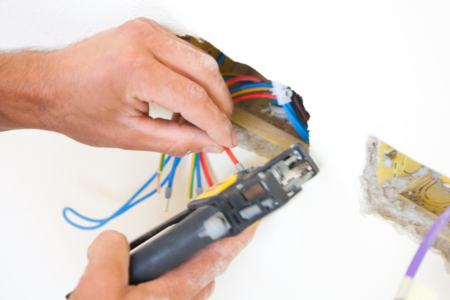
Hands working on electrical wiring in a wall, showcasing various colored wires and tools, relevant to understanding older home wiring and electrical safety standards.

Older homes can be affordable for first-time buyers or appeal to those wanting a vintage house. However, it’s important to remember that the code and building requirements enforced today weren’t the same as when many older homes were built. As a homeowner, it helps to understand how older electrical wiring varies from what you’ll find in homes constructed today.

Types of Wiring Over the Years

Over the years, the electrical industry has used many different types of wiring. Unfortunately, some types have been deemed dangerous and potential fire hazards. If you already own an older home or are in the market for one, it is critical to understand the different types of wiring used in the past.

Knob and Tube

Probably one of the most prominent older style wiring that homeowners learn about is knob and tube. Knob and tube was most popularly used between the late 1800s and the mid-1900s, as it was the first style of electrical wiring used in homes. The knob and tube consisted of two main wires, a black live wire and a white neutral wire. Both of these wires were covered in a rubberized fabric and were connected to porcelain knobs. The main problem with knob and tube wiring is that it lacks any ground wire, which is necessary to meet current electrical codes.

NMC

NMC started being used in the 1920s. It’s considered the first generation of sheathed wiring introduced into the electrical marketplace. It consists of both a hot and neutral wire covered with fabric sheathing. Fabric sheathing is a protective layer for the wiring to prevent unwanted arcing and other related issues. In later years, NMC wiring began to include a grounding wire, which improved safety by providing a path for electrical current to dissipate in case of a fault. This type of wiring is still commonly used today, though modern versions have improved materials and insulation standards to meet current electrical codes and safety requirements.

Romex

Also known as non-metallic cable, Romex hit the marketplace in the 1950s and has become the most popular wire installed in homes. It consists of a plastic sheathing instead of a cloth one. Cloth has been shown to deteriorate over the years and lead to unwanted electrical hazards, like household fires. Romex also comes with a ground wire for household safety.

Aluminum Wiring

Aluminum wiring made its short debut back in the 1960s to 1970s. It was promoted as an alternative to traditional copper wiring inside the standard Romex. Despite its initial popularity due to its lower cost and lighter weight, aluminum wiring has been phased out due to its high potential for creating an electrical fire. Aluminum wire connections tend to loosen over time, leading to increased electrical resistance and overheating. Additionally, aluminum is more susceptible to corrosion and oxidation, further increasing the fire risk. As a result, many building codes now require copper or other safer alternatives for electrical wiring.

Household Amperage

When the electrical company introduces power into a home, they give a set amount of amperage. In homes before 1970, the typical household was given 60 to 100 amps. This was adequate for that day and age, as homeowners had few electrical demands. Fast-forward to modern-day homes, and the standard is 200 amps. This is because the average household uses many more electronics and appliances.

Understanding the amount of amps coming into your older home is essential. If you only have 60 or 100-amp service, then you’ll likely experience an inadequacy when running your electronics. Common problems with insufficient amperage include flickering lights and constantly tripping circuit breakers. You can typically tell how much amperage you have by looking at your main panel box. Where the main switch is located, there is generally a marking indicating how much amperage there is, such as 100 or 200. Upgrading to a higher amperage service may be necessary to meet modern appliances’ electrical demands and ensure the safety and efficiency of your home’s electrical system.

Fuse Boxes Versus Circuit Breakers

In the early days of electricity, the main power box for a home was referred to as a fuse box. It consists of various fuses associated with the different circuits throughout your home. Whenever a circuit experienced a problem, it would blow out the fuse for that circuit. Blown fuses stopped power, which prevented issues like electrical fires. While fuse boxes were popular until the late 1950s, they had one big inconvenience.

Every time you blew a circuit fuse, you physically had to remove the fuse and replace it with a fresh one. Homeowners had to keep multiple new fuses on hand for an immediate fix or wait until they could get to their hardware store to get a new one. Additionally, the fuse had to be rated for the specific amperage that the circuit required. For example, a 15-amp fuse must replace a 15-amp circuit. If you had a 30-amp fuse blow, you couldn’t replace it with a 15-amp fuse.

In the 1960s, a new invention, the circuit breaker, emerged. These were installed in panel boxes, like those you’ll see in modern homes. Each circuit breaker controls an individual circuit for your home. Depending on usage, the circuit is marked with its amperage rating, such as 15-amp or 30-amp. The main advantage of circuit breaker boxes over fuse boxes is that you can simply flip the circuit breaker back to the on position and continue like usual.

Difficulty Identifying Old Wiring

When dealing with old household wiring, you can expect it to be challenging. Old wiring tends to be worn out and deteriorated. In older knob and tube wiring setups, it can be quite tricky to determine the difference between the hot black and white neutral wire. As dirt and grime get over the wires as they deteriorate, both wires can appear to have a black cloth surrounding them. This makes it hard to distinguish visually between the hot and neutral wires. It will take an electrician to use a multimeter to determine what wire is hot and which is neutral.

DIY Tampering

In the past, it was common for homeowners to try and do DIY repairs or hire a handyman to save money. Unfortunately, this has left many older homes with unsafe wiring and potential hazards.

For example, the wiring code requires different sheathing colors for other wires. The live wire should always be black. The neutral wire will always be white. If there is a second live wire, it will be red. The ground wire is always the bare wire. In older homes, you may find that these colors don’t always align with the actual wire. This is because homeowners or unlicensed individuals used whatever wire was on hand to complete the task.

Reliable Electrical Service

Acosta Heating, Cooling & Electrical has been serving the residents of Charlotte, NC, since 1972. Over the years, we have developed our business to become your one-stop shop for all your home service needs. We install, maintain, and repair heating and cooling systems. Additionally, we are expert electricians who can rewire your home, upgrade your electric panel, or install modern necessities like surge protection and EV stations. Contact us today to schedule an appointment with one of our experienced team members.

5 Tips for HVAC Maintenance During High-Use Periods

Air conditioning unit installed outside a brick home, surrounded by grass and flowers, emphasizing HVAC maintenance importance for seasonal efficiency.

In your Charlotte, NC, home, you probably rely more heavily on your HVAC system during certain months. For example, your AC unit likely sees heavy usage between May and September, and your heater runs frequently from November through February. During milder seasons, your HVAC system gets plenty of rest. However, in extreme weather, your system faces increased risk for equipment problems and decreased performance and efficiency.

Fortunately, you can maintain comfort and a healthy HVAC system with proactive care. Here are five effective ways to maintain your HVAC system during high-use seasons.

1. Regularly Schedule Professional Heating and Cooling Tune-Ups

Scheduling professional HVAC maintenance is the single most beneficial thing for your system. Expert technicians can tune up both your AC and heating systems at least once a year, ideally before their most demanding season. A tune-up includes a thorough inspection, replacement or repair of components, and preventive measures to avoid expensive repairs later.

2. Replace Your HVAC Air Filters

Regularly replacing your HVAC air filters keeps your system healthy and efficient. Clogged filters make your system work harder, decreasing efficiency and increasing the risk of breakdowns. Replace filters every 30 to 90 days, and check them before high-usage periods by holding them up to a light source. If you can’t see light through the filter, it needs replacing.

3. Clean Your Air Vents

Keeping your air vents clean improves HVAC performance. Dust and debris in vents can block airflow, reducing energy efficiency and causing mechanical problems. Before high-usage seasons, clean all air vents using a screwdriver and a vacuum cleaner with an extension hose. Consider a duct cleaning every few years.

4. Watch Your Monthly Energy Bills Closely

Monitor your monthly energy costs, especially during high-usage seasons. A sudden spike in energy costs without increased usage habits may indicate efficiency issues with your HVAC system. If you notice unexpected increases, schedule an inspection with Acosta Heating, Cooling & Electrical to determine if your system needs repairs or a tune-up.

5. Regularly Check for Air Leaks

Air leaks around your home can hamper your HVAC system. Even small leaks put unnecessary pressure on your system, reducing efficiency and shortening its lifespan. Periodically check for leaks around doors and windows, and use caulking and weather stripping to seal any you find.

Your Trusted Local HVAC Professionals in Charlotte

Acosta Heating, Cooling & Electrical has provided quality home comfort services to Charlotte-area residents since 1972. Our technicians offer maintenance, repairs, and installations for heating and air conditioning systems. We also provide a range of electrical services, including generator installation and repair, EV charger installation, wiring, and surge protector installation.

To learn more or schedule an appointment, contact Acosta Heating, Cooling & Electrical today!

Summer Safety Tips for Homeowners

HVAC technician servicing an air conditioning unit, highlighting summer maintenance tips from Acosta Heating & Cooling.

The summer season is an important time to rely on your home’s cooling system. A cooled-down home will provide a lot of comfort, help fight humidity, and create a comfortable atmosphere for everyone in the home. As you run HVAC units in the summer, you should keep several safety tips in mind to help prevent issues and ensure your HVAC unit remains safe. Learn some of these safety tips and some of the little things you can do to keep your home protected.

Ensure Proper HVAC Unit Clearance

If you have a central air unit installed at your home, chances are you will have a unit located outside the home. A central air unit located outside your home will provide the proper functions to cool your home and disperse hot air to the exterior. The growth of weeds, bushes, grass, and other plants could impact the performance of the unit. 

Keep the area around an HVAC unit properly taken care of. You do not want plants to grow too closely and create issues for your property. Ideally, you want to give at least a 3-foot buffer all around the unit. Every week or so, do a visual inspection around the unit and do keep the area free from plant growth. In the summer, plants can grow pretty rapidly, so regular inspections can help monitor this growth.

If plants grow too close to the unit, then it could directly impact the performance of your air conditioning. For example, leaves, dirt, and other debris could jam into the air intake system and clog it. The clogs could cause the system to work even harder and may cause damage. Too many plants around the unit could also impact the air filter and the quality of the air you breathe in. If you hire a landscaping company, then you could direct them to properly trim and take care of the area around the unit.

Air Filter Replacements

Dirt and debris from outside the unit are not the only impact on your HVAC unit’s air filter. An air filter provides a key element to the fresh air in your home and can make a big difference in the air quality. On the exterior of your home, dust, pollen, and particles in the air can infiltrate through the HVAC system. On the interior, human hair, pet hair, and everyday dust can also impact air filters.

If an air filter becomes too dirty, then the quality of air in the home could go down. You could breathe in particles and suffer from possible breathing issues. The cool air you supply to your home should also be fresh and clean air. While every filter is different, you should check your air filter at least once a month to determine if a replacement is needed. HVAC professionals can supply you with a brand-new filter that can help catch particles. Investing in an air filter that can catch more will help keep your indoor air as clean as possible and prevent allergens in the air. Technicians may also supply other upgrades like air purifiers or dehumidifiers to make the air even cleaner and better to breathe in.

Leak Inspections

The wear and tear on an HVAC unit in the summer can result in multiple issues, especially if the air conditioner runs on a consistent basis. One of the more common issues to be on the lookout for is an HVAC leak. A leaking unit can not only create hazards around your home but may result in damage to your HVAC unit. Visual inspections can help you spot any major leaks. Leaks can come in both liquid and air forms.

Check the exterior unit for any signs of liquid leaks. The presence of small puddles or standing water around a unit may be a sign of a leak. On the interior, look for any visible damage on the ductwork or vents with your unit. For example, you may notice that one vent pushes out more air than another. This could be a sign of a leak in the ducts. When air doesn’t reach the proper vent, it can cause the HVAC unit to work harder to push more air through and reach proper temperatures.

Not only can you visually spot leaks, but you may smell leaks as well. If you notice a sudden change in the air that includes a musty scent, then you may have a condensation leak in various parts of the unit. Repairs or parts are likely needed to fix the leak and prevent odors in your home.

Thermostat Upgrades

A newer thermostat can provide many benefits for your home. Smart thermostats can feature timers so that the air conditioning only runs for certain parts of the day and puts less stress on the HVAC unit. The thermostat can learn different trends and know the best settings to provide cool air to your home. 

Newer thermostats also include built-in reminders to ensure the proper health of your HVAC unit. For example, a thermostat could feature a built-in timer for air filter replacement. Instead of remembering to check or replace your air filter on a regular basis, a reminder from a thermostat will help ensure your air quality levels remain high.

Smart thermostats also come with the ability to access information right from a smart device. With easy access, you can receive alerts directly on your phone, cut down on energy costs, and know when any issues occur before the problem gets worse.

Summer HVAC Inspections

Instead of doing all the inspections yourself, one of the best safety tips for HVAC units is to rely on professional help. Summer HVAC maintenance can ensure your units run at optimal levels and professionals can detect any issues with a unit. HVAC professionals can help with thermostat upgrades, air filter changes, or leak repairs.

Scheduling an inspection at the beginning of the summer will help you enjoy cool air all summer long and help prevent any major issues. Once you become a customer with an HVAC company, you can easily call them up to inspect your unit for any needed repairs. 

High-Quality HVAC Services in Charlotte, NC

Don’t go through a hot Charlotte summer without help from our HVAC professionals at Acosta Heating, Cooling, & Electrical. Our HVAC technicians can inspect, repair, and install HVAC units to provide your whole home with central air cooling. Our team can supply you with a wide range of indoor air quality services including air filters, air purifiers, air cleaners, dehumidifiers, and more. 

Other services include heating installations and repairs for both furnaces and heat pumps. Our electrical services include panel upgrades, electrical repairs, generator installations, whole-home surge protection, and outlet installation. We offer maintenance plans for any of our services and a plan will help ensure you have service regularly.

Contact us at Acosta Heating, Cooling, and Electrical to find out more about our services and help keep your home cool all summer long.

How To Lower Energy Usage and Maximize Savings With Energy-Efficient Lighting

When people think about their home’s interior design, they often overlook the value of energy-efficient lighting. This solution can be vital in cutting down your household energy consumption while lowering your monthly bills. In recent years, several innovative lighting products have been shown to produce bulbs that require less power to brighten indoor living environments.

These products ensure your interior space and wallet can benefit after upgrading energy-efficient lighting. In the following sections, our Acosta Heating, Cooling & Electrical team in Charlotte, NC, explains how these lighting solutions can substantially reduce your home’s energy usage. These modern lighting products can trim hundreds of dollars off your annual energy bill.

What Is Energy-Efficient Lighting?

Energy-efficient lighting provides the same illumination and lighting properties as traditional solutions while consuming less energy. Unlike conventional incandescent bulbs that transfer the bulk of their energy into creating heat, energy-efficient options like Light Emitting Diode (LED) and Compact Fluorescent Lamp (CFL) convert a substantially higher amount of electricity into light.

LEDs, for instance, use up to 75% less energy and can last 25 times longer than incandescent lighting. When shopping for these bulbs, remember to check the energy ratings. Look for information like lumens per watt. These details will confirm that you are choosing the most efficient option. A higher lumens-to-watt ratio indicates a more energy-efficient bulb. Opting for a light output with less energy will increase your monthly utility bill savings.

How Do Energy-Efficient Lighting Solutions Impact Your Energy Costs?

Opting for energy-efficient lighting over traditional bulbs will substantially decrease your home’s energy usage. For instance, where a standard 60-watt incandescent bulb may draw 60 watts of power, an equivalent LED could require as little as 10 watts to produce the same brightness. This difference can translate to cutting your energy consumption by up to 83%.

The potential for long-term savings on your energy bill by choosing more efficient lighting is nothing to sneeze at. Over its lifetime, an LED bulb can yield cost savings that far exceed the initial investment. Likewise, these products offer a prolonged lifespan, so you won’t have to replace bulbs with the same frequency as traditional incandescent products.

Consider that the average household dedicates about 5% of its energy budget to lighting. An LED bulb can last around 25,000 hours compared to an incandescent bulb’s 1,200 hours. Therefore, the initial higher cost of LEDs is readily offset by the savings accrued over time. Most of our customers confirm these benefits. They’ve reported saving hundreds of dollars annually after transitioning to energy-efficient lighting.

Choose the Right Energy-Efficient Lighting for Your Home

Before you can identify the most suitable energy-efficient lighting solutions, you must develop a clear assessment of your lighting needs. Consider the mood and function of each room in your home. Bright, focused lights are ideal for workspaces, while softer, warmer lights enhance relaxation areas. Also, take stock of the number and types of fixtures you have to determine the compatibility and required bulb shapes and bases.

There are several factors to consider when upgrading to energy-efficient lighting. Evaluate the color temperature in Kelvins to ensure you get the desired hue. Likewise, you should note the light’s dimmable features. Not all energy-efficient bulbs are compatible with traditional dimmers. Lumens indicate brightness, so select the output that best matches your room’s requirements without over-lighting, which counteracts energy savings.

Quality and manufacturer reputation are both critical in the selection process. High-quality bulbs may cost more upfront but typically offer better performance and longer life spans. Efficient bulbs lead to fewer replacements and consistent energy savings. Trustworthy manufacturers often provide warranties and have positive customer reviews, so you know what you’re buying. Prioritizing quality over minor savings usually gives you the most energy-efficient lighting solution.

Installing and Maintaining Energy-Efficient Lighting

Making the switch to new light bulbs is pretty straightforward. However, a professional electrician’s installation can be essential for best results and safety. A professional electrician is especially needed for complex setups and smart lighting systems. One of our electricians from Acosta Heating, Cooling & Electrical can ensure correct fitting and proper functionality.

Several common pitfalls to be aware of when installing lights and fixtures include improper dimmer pairing, which can lead to malfunctions and some serious electrical hazards associated with new fixtures. Entrusting your installation to professionals like our electricians assures you get the most out of your new energy-efficient lighting solution.

Common Misconceptions About Energy-Efficient Lighting

Energy-efficient lighting has come a long way. Nonetheless, there are still several misconceptions about these products. One such myth is that these bulbs cannot match the brightness of traditional incandescents. While this inferior luminescence may have been evident in the past, energy-efficient bulbs have improved tremendously on this particular front. LED technology and other energy-efficient lights offer comparable or even superior brightness measured in lumens, not watts.

Another misunderstanding concerns the cost of energy-efficient bulbs. They can have a higher upfront price than traditional lights. However, the extended lifespan and reduced energy consumption give you increased savings over time. When you switch to LEDs or CFLs, you can save substantially on your energy bills.

Energy-Efficient Lighting and Smart Home Technology

In modern, tech-driven homes, energy-efficient lighting often complements home automation solutions. Integrating LED bulbs with these systems allows for enhanced control over lighting via mobile devices or voice commands. Features like scheduling ensure lights are on only when needed. At the same time, the light’s dimming capabilities enable the fine-tuning of brightness, each contributing to further energy savings.

Various federal and state programs offer incentives for upgrading to eco-friendly lighting. The idea is to promote better energy conservation practices. Remember to keep receipts and product information after upgrading since they may be required to claim these rebates and incentives, which we’ll cover further in the next section.

What Are the Incentives for Making Energy-Efficient Lighting Upgrades?

Energy-efficient lighting benefits you by reducing utility costs. However, it often comes with financial incentives to encourage its adoption. Federal and state programs offer incentives, such as tax credits and rebates, to make the transition more cost-effective. These incentives will offset the initial expense of purchasing energy-efficient products.

Research the latest incentives offered in our area to take advantage of these financial opportunities. Our staff can suggest some you can take advantage of, too. However, you can start by visiting our government energy websites in North Carolina or call one of our local energy councils to learn about available programs.

Partnering With Acosta Heating, Cooling & Electrical for Your Lighting Needs

At Acosta Heating, Cooling & Electrical, we readily help you upgrade your Charlotte to energy-efficient lighting. Our team also provides HVAC services to keep your home’s environment comfortable year-round by installing, repairing, and maintaining heating and cooling systems. Consider us your comprehensive resource for all your indoor air comfort and electrical needs in Charlotte.

Ready to enhance your home’s energy efficiency? Contact Acosta Heating, Cooling & Electrical now for your free initial consultation!

How to Create a Sustainable Home

Technician servicing outdoor air conditioning unit for Acosta Heating, Cooling & Electrical.

Your home can serve as the foundation for a sustainable lifestyle. After all, heating, cooling, and powering your home will account for most of your carbon footprint. If you want to live a sustainable life, you need to make those processes as efficient as possible. The good news is that you can do so without sacrificing any creature comforts. You can take advantage of modern technology to make your home more efficient. That will slash your power bill and keep your lifestyle as sustainable as possible. The best part is that the process is easy. You just need to pick out the best upgrades for your home and call the professionals to install them.

1. Use Smart Systems

Smart systems give you an easy way to optimize your appliances. Smart thermostats are a great example. They connect to your phone, making it easy to control and optimize your heating and cooling system’s energy use. You can also program them to automatically adjust the temperature when you are out of the house, which conserves energy.

Many of the newer models can even automate that process. They can use sound detection of pings from your mobile phone to detect when and where people are in your home. They use that information to create a program that uses as little energy as possible. Machines are better at that kind of optimization than humans, so the programs can save a lot of energy.

These systems can even send you alerts when they have a problem. Most of them will also send you regular reports on their energy usage. That makes it easy to keep an eye on the system and ensure it is working properly. That saves even more energy because damaged systems are less efficient than functioning ones.

2. Install a Heat Pump

A heat pump is a great alternative to traditional heating and cooling systems for people who value sustainability. They combine heating and cooling, so you do not need to worry about installing and maintaining separate systems. Heat pumps use less energy than furnaces or air conditioners, especially under ideal environmental conditions.

Most homes in the Charlotte area can rely solely on a heat pump for climate control all year. They are most efficient during periods with moderate temperatures. Due to technological advances, heat pumps work effectively in much colder environments than they used to. Heat pumps also work best in larger homes, but finding one that will suit a smaller building is still possible.

If you need help determining if a heat pump is right for you, we can help. At Acosta Heating, Cooling & Electrical, we focus on helping people equip their homes with the right heating and cooling systems. We can assess your home to determine which heat pump will yield the best results.

3. Get Regular Maintenance

Nearly every system in your home will benefit from routine maintenance. For example, cleaning a heat pump’s internal components is important. If those parts get too dirty, the system will struggle to transfer heat, which causes it to use more energy. Most of your heating and cooling systems can have similar problems if you neglect them.

Most of your systems need maintenance twice per year. It can be easy to forget maintenance, so you should get a maintenance plan to simplify the process. We can make that easy. Acosta Heating, Cooling & Electrical offers maintenance services in the Charlotte, NC area. We even offer a preventative maintenance program that you can join for maximum convenience.

4. Try Ceiling Fans

You do not need to rely exclusively on an air conditioner to cool your home. Ceiling fans can often get the job done more efficiently. They work quickly, so you can leave them turned off until you enter the room. Ceiling fans also require less maintenance than many other cooling systems. That makes them a great choice if you want a convenient way to make your home more efficient.

5. Upgrade Your Systems

While many modern appliances and HVAC systems prioritize sustainability, that was not always the case. That means old heating and cooling systems are usually less efficient than modern ones. The difference can be massive, especially if your old system is over a decade old. If your system is that old, you will probably see bigger improvements from replacing it than from trying to maintain it.

The good news is that replacing an old heating or cooling system is easy. If you contact Acosta Heating, Cooling & Electrical, we will guide you through the process. Our comfort consultants will listen to your goals and assess your home to determine the best way to achieve them. We will explain the benefits and drawbacks of your options and answer your questions. You have to decide, but our team will handle the rest. You can simply relax until your new heating or cooling unit is ready.

And don’t forget about electrical upgrades. Newer electrical panels can actually reduce energy waste. You can also invest in a whole-house surge protector. This can help your appliances last longer and protect sensitive electronics.

6. Optimize Your Lighting

Individual lights may not use much electricity, but they add up quickly. If you upgrade all of your lights, it will do a lot to make your lifestyle more sustainable. That usually means switching to LED lights, which are more efficient than traditional incandescent bulbs. They also last much longer, so you do not need to send many old light bulbs to the landfill.

This is a great option if you want to go green while making your home more comfortable. LED lights generate less heat than incandescent lights and are usually much brighter. They offer improved lighting quality, making it easier to go about your daily life.

7. Install an EV Charger

Electric cars are much more sustainable than traditional vehicles, but it can be hard to find chargers. You can upgrade your home to solve that problem. You can install a charging station in your own home. While most vehicles have chargers that connect to standard outlets, dedicated charging stations are faster and protect the car’s battery. They make relying on an electric vehicle much easier without carefully planning your trips around your battery.

Contact Us to Get Started

A sustainable lifestyle starts with a sustainable home, and modern technology makes it easier than ever to go green. If you upgrade your heating, cooling, and electrical systems, you will cut your emissions and power bill down to size. Regular maintenance will keep your new systems operating at peak efficiency for years. Acosta Heating, Cooling & Electrical can help you get started if you live near Charlotte, NC. We have been in business since 1972 because we prioritize customer satisfaction. If you want to go green, our team will examine your home to determine which systems need improvement. Our experience with a wide range of services makes it easy for us to find the most effective options.

Reach out to Acosta Heating, Cooling & Electrical today if you want to create a sustainable home in Charlotte.

Optimizing Your Business’ HVAC System for Its Best Energy Efficiency

At Acosta Heating, Cooling & Electrical in Charlotte, NC, we understand that business owners always look for ways to save costs wherever possible. We are your local commercial HVAC services company that provides air conditioning repair and maintenance, zoned HVAC systems, and maintenance and repair of commercial heating units, such as heat pumps and furnaces. We can also help you with your indoor air quality issues.

Air conditioning electricity costs in North Carolina in the summer are considerable. Over half of the typical energy costs for a commercial building come from HVAC usage. You can do everything possible to optimize your current heating and cooling systems. Squeezing more productivity out of your HVAC systems and saving money simultaneously is a winning formula. Optimizing your commercial HVAC systems also prolongs their longevity. Saving twice over is the best plan of all. 

The following are some key steps in commercial HVAC optimization to help your business save on energy costs.

Regular Maintenance

An HVAC system with dirty fan, coils, and condenser drain clogs will not run efficiently. In fact, the system will strain during peak demand. The more your unit has to strain to produce temperate air, the more energy you will spend. Regular maintenance issues left unattended can lead to premature HVAC system failure. 

Regular commercial HVAC system maintenance includes several tasks. The most frequent task is filter replacement, which should be done every one to three months. The frequency depends on factors such as the building’s usage and the dust present. 

There are many annual HVAC maintenance tasks our comfort consultants perform:

  • Cleaning coils
  • Checking belts and bearings for wear and need of replacement
  • Clearing clogs from AC condensate lines
  • Checking the refrigerant level and for refrigerant leaks

An annual inspection is also the time to check the electrical connections and recalibrate the thermostat. Fraying connections can be unsafe and cause a house fire. Thermostats that are not working properly also tend to waste energy or fail to regulate the building climate adequately. Other system-specific checks for your furnace include annual checks of the combustion unit, heat exchanger, and blower components.

A typical duct-cleaning schedule is every three to five years. A buildup of dust or signs of mold requires immediate cleaning, as dust harms the system’s throughput. 

Building Envelope Insulation and Sealing

Of course, air infiltration can defeat your purpose even when your HVAC system is optimized to produce climate-controlled air cost-effectively. The outside building envelope needs to be evaluated. You must ensure that your walls and roof have adequate insulation and are correctly installed. Windows that are not energy efficient can be replaced. The window, wall, and door seals must be evaluated and repaired. 

Inspections of the building envelope and sealing can be done visually. An even more rigorous building envelope integrity assessment is through infrared thermography or blower door tests. These tests can determine whether the climate-controlled air stays within the target area and whether outside air is infiltrating the building envelope. Evaluating and addressing building insulation and sealing problems also promotes energy efficiency.

Smart and Programmable Thermostats

When building occupants are not in a room, you can remove some or all of the climate control unless sensitive equipment requires a certain measure of climate control. Programmable thermostats restrict climate control in unused zones at certain times. Smart thermostat systems allow for outside adjustments to climate control. Smart thermostats also track energy usage patterns.

HVAC Zone Systems

Zone systems divide buildings into discrete areas for differential climate control. Occupancy sensors can adjust the heating or cooling in a zone immediately when occupants enter or leave a room. Zone systems negate the need to set a programmable thermostat for a specific time interval. Occupancy sensors work well in fluid working environments with frequent employee movement.

Upgrading HVAC Units

The federal government’s required minimum energy efficiency levels for HVAC units have steadily increased. Older commercial HVAC units are less energy efficient than their current counterparts and must be upgraded to stay within the government’s required minimum energy efficiency levels. In 2023, the new minimum EPA requirements for energy efficiency in commercial heat pumps and air conditioning units were rolled out.

They represent an approximate 15 percent increase in energy efficiency. This process began in 2018 when the minimum energy efficiency standard for commercial air conditioners and heat pumps was increased by 13 percent. That represents a 28 percent jump in minimum energy efficiency for new commercial AC and heat pump units in six years. Thus, a new air conditioning or heat pump unit could represent a 28 percent savings in energy costs for your enterprise. 

In terms of furnaces, the new standard for commercial gas furnaces is at least 81 percent energy efficiency as of 2023. Commercial oil furnaces must be at least 82 percent energy efficient. 

There are important factors to weigh before deciding to replace an HVAC unit. One is the cost of replacement. Another factor to weigh is the efficiency and condition of your current HVAC unit. What is clear is that the drastic increase in minimum HVAC efficiency standards is remarkable. The higher efficiency standards provide a clear incentive for business owners to upgrade systems. 

Variable Frequency Drives

An exciting new technology that can be added to an existing HVAC unit is a variable frequency drive (VFD). Older HVAC units are either cycled on at full speed or off. VFDs can control pumps and fans by changing the fan motor’s speed based on demand. The motors cycle at full speed when the system is experiencing high demand.

As demand decreases, the VFD changes the motor speed to a lower setting to save energy. HVAC systems that are not always running at full speed experience greater longevity.

Heat Recovery Systems

If any processes in your enterprise generate quite a bit of heat, that heat can be utilized in winter to provide some of the building’s warmth at a cost savings. Heat recovery systems direct unused waste heat to either preheat the air entering the furnace or towards direct space heating. 

Geothermal Cooling and Heating

Geothermal heating and cooling are the most energy-efficient means of heating and cooling your commercial space. They rely upon the constant temperature of the earth. Geothermal heating and cooling is the most sustainable form of heating and cooling available with modern technology. It is an option for enterprises with a larger land holding.

Comprehensive Energy Audit

Start with an energy audit by our comfort consultants on your commercial building’s energy efficiency and save valuable capital each month. The audit will evaluate factors such as energy consumption patterns, building usage by zones, and building envelope and sealing information. The results will provide recommendations for maintenance, updates, and upgrades to improve building energy efficiency. 

The Commercial HVAC Company in Charlotte

Here at Acosta Heating, Cooling & Electrical in Charlotte, we are also your local electrical provider. We have proudly served the area since 1972. Our comfort consultants specialize in electrical repairs and installations, including panel upgrades, rewiring, lighting, ceiling fans, and generator work. We guarantee our HVAC commercial work will meet your satisfaction.

When you have questions about commercial HVAC energy optimization, call us at Acosta Heating, Cooling & Electrical in Charlotte. We are here to serve our local business owners and help them save money on heating and cooling.

The Basics of Electrical Panel Upgrades

Technician upgrading an electrical panel with wire cutters for Acosta Heating, Cooling & Electrical.

Electricity powers the modern home in Charlotte, NC, yet few people truly understand the complex network that keeps the lights on and devices running. At the core of your electricity distribution is the electrical panel. This is a vital component that regulates and distributes power throughout your home. There will come a time when you have to upgrade your electrical panel whether to modernize your home or accommodate increased energy needs. Here’s what you need to know before embarking on this venture.

Understanding Electrical Panels

The electrical panel, also referred to as the breaker panel or distribution board, serves as the central hub for distributing electricity within your home. It contains either circuit breakers or fuses and connects to the primary power source from the utility company.

The primary function of your electrical panel is to monitor the flow of electricity and automatically shut off power in case of an overload or short circuit. It also allows you to control which areas of your home receive power, making it a crucial safety feature.

Types of Electrical Panels

1. Main Breaker Panel

A main breaker panel controls the power coming from the utility company into your home. It acts as a switch to turn power on and off for the entire house. It also has separate circuit breakers for each area of your home, allowing for individual control and protection.

2. Main Lug Panels

Main lug panels are like main breaker panels, with the only difference being that they do not have a main breaker switch. Instead, they connect to a larger main breaker panel, making them ideal for subpanels or smaller service panels.

3. Subpanel

Subpanels are additional electrical service panels that are fed from your main electrical panel. They are used when you need to add circuits and can help distribute the load across multiple panels for larger homes or when you have a high amp need, such as for a workshop.

4. Fuse Box

Before the prevalence of breaker panels, fuse boxes were common. They contain fuses instead of breakers, which must be replaced when they blow. While many fuse boxes have been replaced with breaker panels in modern homes, some remain, necessitating careful maintenance and, sometimes, an upgrade.

Signs It’s Time for an Upgrade

1. Flickering Lights

Flickering lights can be a symptom of an overtaxed electrical system. If turning on an appliance causes the lights to dim or flicker, it’s a clear sign that the circuit is drawing too much power.

2. Tripping Breakers

Breakers that trip frequently are not only an annoyance but also a safety feature that should not be ignored. If a breaker is tripping often, it’s a signal that it is trying to protect the circuit from drawing too much power and overheating.

3. Outdated Panel

If your panel is old, it may not meet the electrical demands of modern technology. Panels older than 20 years may have outdated wiring and connections that are not equipped to handle the increased power demands of modern appliances, electronics, and lighting.

4. Melting or Burnt Wires or Breakers

Melting or burning wires or breakers is a serious sign of overheating and a potential fire hazard. This can be caused by loose connections, overloading, or a failing panel.

5. Odd Sounds From the Panel

Circuit breakers shouldn’t make any noise. A buzzing sound might indicate a failing breaker while crackling or popping sounds could indicate an overloaded circuit.

6. Inadequate Surge Protection

If your panel lacks built-in surge protection, your valuable electronics are more vulnerable to damage from power surges. A panel upgrade can address this.

7. Planning Major Renovations or Adding Appliances

Upgrading your electrical service might be necessary before renovations that involve adding features with high power demand, like hot tubs or new kitchen appliances. Your home will be safe, and you’ll avoid the inconvenience of tripping breakers.

The Upgrade Process

Upgrading your electrical panel is not a DIY job. It’s complex, and it requires professional expertise.

Step 1. Hiring a Professional Electrician

Find comfort consultants who are certified and experienced in panel upgrades. Our experts at Acosta Heating, Cooling & Electrical will help you with the entire process and ensure your home is powered safely and reliably.

Step 2. Determining the Size of the Electrical Panel You Need

The comfort consultant you’ll be working with will help you decide on the size of the new panel that’s right for your home. They often come in four different magnitudes: 100, 150, 200, and 400 AMPs. 100 AMP is good for homes that don’t have many appliances and electronics while 400 AMP is ideal for larger homes with high power demands. Your comfort consultant will also provide you with a detailed report covering elements, such as the best location for the panel, meter height, conduit size, and other essentials. If there’s anything that might take some time to get, the consultant will recommend that you order it beforehand.

Step 3. Getting Necessary Permits

Before the upgrade work can begin, you’ll need to obtain permits from the local authorities. If the city discovers unpermitted work, it’ll impose fines and fees, which can be very expensive. Insurance companies may also deny any claims related to unpermitted electrical work, and future potential homebuyers might request a Certificate of Compliance. However, most importantly, permitted work guarantees that all safety measures have been taken, ensuring the well-being of you and your family.

Step 4. Deciding on Overhead or Underground Electrical Services

There are two types of electrical service connections: overhead and underground. In an overhead connection, power lines are strung up high above ground level and connected to a utility pole. On the other hand, in an underground connection, power lines are buried underground and run through conduits to connect with the main panel.

Your comfort consultant will help you choose the best option based on your home’s location, budget, and other factors. For example, if you live in an area prone to power outages or extreme weather conditions, an underground connection may be a better choice as it is less susceptible to damage.

However, overhead connections are generally cheaper and easier to install. Another factor to consider is the aesthetic appeal of your home. Overhead connections can be unsightly and may not fit well with certain architectural styles. On the other hand, underground connections are hidden from view and can provide a clean and seamless look.

Step 5. Scheduling a Disconnect

Before work can begin, the power to your home must be shut off. This will be scheduled with your utility company and is typically timed to coincide with the start of work.

Step 6. Electrical Panel Removal and Installation

Your comfort consultant will finally remove your old panel and install the new one. This process typically involves cutting off power, disconnecting the old panel, and mounting the new one in its place.

Step 7. Inspection and Final Connection

Once the new panel is installed, it needs to be inspected by a certified inspector before it can be connected to your home’s electrical system. They’ll have to approve the work and ensure that everything is up to code before allowing your comfort consultant to make the final connection. Once connected, they will test the panel to make sure it’s functioning properly.

Contact Us Today

Now that you understand the critical role of your electrical panel and the process involved in upgrading it, it’s time to act. Call Acosta Heating, Cooling & Electrical in Charlotte today to set you on the path to a safer, more efficient home. We also specialize in air conditioning and heating, providing a comprehensive solution for all your home comfort needs. Give us a call to schedule an appointment today.

The Importance of Proper Airflow in HVAC Systems

Within the modern home or office, the gentle hum of an HVAC (Heating, Ventilation, and Air Conditioning) system creates an often-unnoticed symphony of comfort. Yet, beneath this soothing background noise lies a vital element frequently disregarded, which is airflow. Proper airflow stands as the cornerstone of an efficient HVAC system, ensuring the effective operation of all components. To get the picture, here’s a guide that explores why airflow is the hidden hero in the HVAC world and why understanding and optimizing it is crucial for your comfort.

The Role of Airflow in Your HVAC System

Imagine your HVAC system as a symphony. The furnace or air conditioner acts as the conductor, directing the flow of conditioned air. Ducts are the pathways where this conditioned air travels, like instrumental sections conveying the melody. Vents function as individual instruments, delivering the conditioned air throughout the living space. Finally, filters act as sheet music, ensuring the quality of the air being circulated.

Proper airflow ensures all these components work in perfect harmony. Firstly, it carries heated or cooled air throughout your home, ensuring consistent temperature distribution across different rooms. 

Secondly, it prevents system strain. Restricted airflow forces your HVAC system to work harder to maintain desired temperatures. 

Thirdly, proper airflow facilitates continuous air circulation. This helps remove stale air, pollutants, allergens, and even condensed air from your living space.

Signs of Improper Airflow in Your HVAC System

When there are problems with airflow, certain signs will manifest. The following are the most common.

Dust Accumulation

Visible dust accumulating around vents or within the home can indicate low airflow. Air that doesn’t circulate properly can’t filter effectively, leading to more dust settling on surfaces.

Frequent System Cycles

If the HVAC system seems to be turning on and off more frequently than usual, it can be a sign that airflow is insufficient. Usually, this indicates an attempt by the system to supply conditioned air that isn’t reaching desired temperatures in various rooms.

Increased Electric Bills

Restricted airflow increases energy consumption because the HVAC system must work harder and longer to maintain comfortable temperatures. This results in higher energy bills and puts unnecessary strain on your system.

Uneven Temperature Distribution

If some rooms feel significantly warmer or cooler than others, it could be due to insufficient airflow. Without proper circulation, heated or cooled air may not reach certain areas of your home, leading to inconsistent temperatures.

Unusual Noises

HVAC systems are designed to operate quietly. Unusual noises such as rattling, banging, or whistling can indicate restricted airflow. The system components may be struggling to work properly due to inadequate air supply.

Common Airflow Issues and Solutions

Problems with airflow can cause a myriad of issues. Let’s explore those that are most common along with methods for solving them.

Blockages and Obstructions

Airflow can be obstructed by various things like furniture blocking vents, dirty filters dust clogs, or even pests making a home inside the ductwork. Regularly inspecting and maintaining these areas can prevent and alleviate many blockage issues. If you live in or around Charlotte, NC, call Acosta Heating, Cooling & Electrical to schedule a maintenance check and ensure proper airflow in your home.

Improper Duct Design or Installation

In some cases, the issue may lie with the design or installation of the ductwork. Improperly sized or installed ducts can affect the velocity and distribution of airflow, leading to restricted air supply. This will require professional help to accurately diagnose and fix.

Duct Leaks

Leaks in ductwork can also cause restricted airflow. These leaks could be due to poor installation, normal wear and tear, damage from pests, or severe weather. Regularly inspecting for any visible signs of damage and sealing any leaks will ensure proper airflow and prevent energy loss.

Insufficient Ventilation

When an HVAC system does not have enough return vents or the vents are too small, it can lead to restricted airflow. This can also be caused by a lack of proper ventilation in the home. Adding more return vents and keeping ventilation in mind when designing your home can help alleviate this issue.

Poorly Insulated Ducts

Poorly insulated ducts are prone to leaks and can also lead to restricted airflow. This is because the air inside the ducts can become heated or cooled by external temperatures, causing a change in pressure and reducing airflow. Properly insulating the ductwork can help maintain the desired temperature and prevent any airflow restrictions.

Benefits of Proper Airflow

Proper airflow offers a whole host of benefits. They are as follows.

Energy Efficiency

An HVAC system with proper airflow operates more efficiently, requiring less energy to maintain desired temperatures. Better efficiency not only saves money on bills but also reduces the environmental impact of the system.

Improved Air Quality

Effective filtration and proper circulation are critical for maintaining high indoor air quality. Proper airflow ensures that particles and contaminants are continuously circulated through the filtration system rather than settling within the ducts or on surfaces.

Extended System Lifespan

Efficiently distributed air means that every part of your HVAC system does its job without stress. Overheating or overcooling can be avoided, which will lead to a longer life for the system components.

Temperature and Humidity Management

Balanced airflow ensures that every room in the house receives an equal amount of conditioned air. This means consistent temperatures throughout the home, even in rooms that are far from the thermostat. Not to mention, there is better humidity control.

Maintaining Proper Airflow: Keeping Your HVAC System in Harmony

Prevention is better than cure when it comes to airflow maintenance. Some simple steps you can take include the following.

Regular Filter Changes

Filters are the first line of defense against contaminants that can block airflow. Change or clean them regularly to maintain proper airflow and air quality.

Clean Vents and Ducts

Call HVAC experts at Acosta Heating, Cooling & Electrical to clean the air vents and ducts in your home. This will remove any accumulated debris or blockages that may be hindering proper airflow.

Proper Furniture Placement

Be mindful when placing furniture or other objects near vents or return air registers. Blocking these areas can disrupt airflow and lead to uneven heating or cooling throughout the home.

Balanced Damper Settings

Adjusting dampers can help balance the airflow in different areas, but this should be done carefully to avoid creating pressure imbalances or overworking the system. Dampers can be adjusted by simply turning them left or right, depending on the desired airflow. You may want to consult with a professional to achieve the best settings for your home.

Proper Routine Maintenance

Scheduling regular maintenance visits with a professional HVAC technician is crucial in keeping your system in optimal condition. During these visits, the technician will check all components of the system and make any necessary adjustments to ensure proper airflow and functionality.

Consider a Programmable Thermostat

Although not a direct effect, improved efficiency from a programmable thermostat can have a secondary impact on airflow in some cases. For instance, extended fan operation might lead to slightly improved air circulation within the home. You can program the thermostat to turn on the fan for a few minutes every hour or so, which can help distribute air more evenly.

Call Acosta Heating, Cooling & Electrical Today to Improve Your Airflow

Taking an active role in ensuring your HVAC system operates at peak performance can have a significant impact on your comfort, health, and finances. If you live around Charlotte, NC, contact Acosta Heating, Cooling & Electrical to schedule a maintenance visit or discuss any concerns you may have with your airflow. We also offer other services like AC and heating repair, maintenance, and installation, as well as any electrical needs you may have. We give out special offers and have financing options available to make your experience with us hassle-free.

How to Prepare Your Home for Severe Weather

Stormy weather comes with a lot of damage and expenses to all homeowners. However, you can reduce the impact you experience through proper preparation of your home. Our pros at Acosta Heating, Cooling, & Electrical in Charlotte, NC recommend getting the necessary assistance early enough. We can help you analyze the condition of your systems and guide you on the required action.

Calling the experts for help early enough is essential for your peace of mind. As the weather worsens, more people schedule last-minute appointments, making it hard to secure an appointment. However, when you reach out in good time, you will have time to prepare and make the necessary changes. We have explained some things you should do to prepare for Mother Nature’s hit.

Surge Protection

During stormy weather, you can expect fluctuations in the power supply system, leading to frequent surges. This can also arise due to lightning since the rush of charge from the sky can hit your house, causing a surge in electricity. If you do not have an appropriate surge protection system, you risk damage to your wiring, electronics, and even the entire property.

The sudden power increase can cause a fire or electrocute anyone operating an electronic at that moment. Therefore, you need to invest in a whole-house surge protection system. This will help absorb and redirect the excess current, thus protecting your home. This way, you can have peace of mind regardless of the power fluctuations.

Backup Generators

We also recommend getting a backup generator that can support your entire home. Severe weather always comes with power outages due to fallen power poles, disconnected lines, or other electrical issues. In most cases, these situations cannot get fixed until the weather clears. Therefore, you need an alternative power source to keep your house systems running while you wait.

With a generator, you can keep your lights, heating, and other essential electronics running during the blackout. Our Acosta Heating, Cooling & Electrical pros recommend getting an automatic generator that immediately takes over the power supply. The system connects to the home’s wiring and immediately switches on when the power supply cuts. This way, you can keep your fridge running and enjoy comfort despite the storm outside.

HVAC Maintenance and Repairs

Do not wait for a storm if you do not know the condition of your HVAC system. You need your heating to be in top-notch shape so you and your loved ones can remain comfortable even during the downpour. Therefore, you should contact our comfort consultants to check your system for faults. A maintenance check reveals any potential issues that may impact the system’s operation. We arrest the problem, thus preventing it from worsening. However, when you already have a problematic system, we recommend prompt repairs to avoid breakdowns during a stormy night. Do not ignore the signs of trouble since they may cost you comfort and peace of mind. Professional repairs can save you from incurring expensive future costs. Your system will also not strain to heat your home throughout the day since you may stay indoors for most of the storm.

Contact expert comfort consultants to fix the following issues:

  • Uneven heating
  • Reduced airflow
  • Unusual noises from the system
  • Slow heating
  • Noisy ducts
  • Flickering thermostat

Indoor Air Improvement

Since you will most likely stay indoors during a storm, ensuring you breathe quality air is essential. Check with our Acosta Heating, Cooling, & Electrical specialists to know what you can improve in your home. We recommend investing in a dehumidifier to help get rid of the excess moisture, especially if it is raining heavily. We also check the HVAC system for leakage in the ducts, which may be the cause of allergens in your house. By sealing the gaps and cleaning the ducts, you can have clean air that will not result in frequent allergies.

Roof Inspection

Another crucial step in preparing for severe weather is getting a roof inspection. Your roofing structure is the contact point for the weather elements, and you need to ensure that it is in top-notch shape. You need to schedule an inspection appointment with a professional roofer to identify any causes of alarm. This appointment is to check the shingles or covering material and every part of the structure. The roofer must inspect even the gutters, flashing, and roof interior.

This way, you can get detailed information on how well the structure can withstand the coming season. If you have a damaged roof, ensure you schedule immediate repairs to fix the weak areas. Seal all leaking points to avoid water damage in the attic or ceiling. It is also crucial to ensure that the gutters function optimally.

Remove all debris and secure the water channels so the excess water from the roof can drain efficiently. A damaged roof also affects your HVAC efficiency. The air seeping through the cracks interferes with the filtered and heated air, reducing the speed of temperature regulation. Consequently, indoor air quality drops, and heating units consume more energy. Therefore, when you fix your roof, you improve the heating capacity for your HVAC system, allowing everyone to stay warm and comfortable.

Pack the Essentials

Since you do not know how long you may stay indoors, it is crucial to have enough supplies to last your family. Ensure you shop for these things early enough and check the expiry dates. Going for the last-minute rush will lead to disappointments since you may forget essential items. Sometimes, they may go out of stock, especially when people start buying items in panic mode.

These are the things you should ensure you have:

  • First-aid kit
  • Non-perishable food
  • Water
  • Extra phone
  • Flashlights and extra batteries
  • blankets
  • Fuel for the generator
  • Emergency money

Secure the House

As you approach the season for severe weather, ensure you protect the outside of your home from damage. The first step is removing all debris, branches, and unwanted items in your compound. These can cause extensive damage when carried by strong winds. You should also trim all trees around your house, ensuring no branches hang over your structure.

Cut off all loose branches, which can easily break off when blown by strong winds. You should also ensure no branches or debris obstruct your vents to increase airflow into the house. Afterward, invest in boards or metal plates to protect your windows from getting hit by stray items. Seal all gaps in the windows and doors with caulk so no cold draft will penetrate your home.

Cold air usually reduces the indoor temperature, making it hard to maintain your set temperature. This strains your heating system, causing it to overwork and consume more energy.

Choose Our Comfort Consultants

Our team in Charlotte provides quality HVAC and electrical services so you can enjoy comfort and peace of mind. We install, replace, repair, and maintain heating and cooling systems in homes and businesses. Our technicians have decades of experience and can help you attain indoor comfort throughout the year. We also provide top-quality electrical services for residential and business premises.

You can count on us for wiring, panel upgrades, ceiling fan installation, installing EV charging stations, and fixing lights and outlets. We attend to each call with the same urgency and work hard to attain customer satisfaction. Don’t hesitate to call us for more information or to book an appointment.